
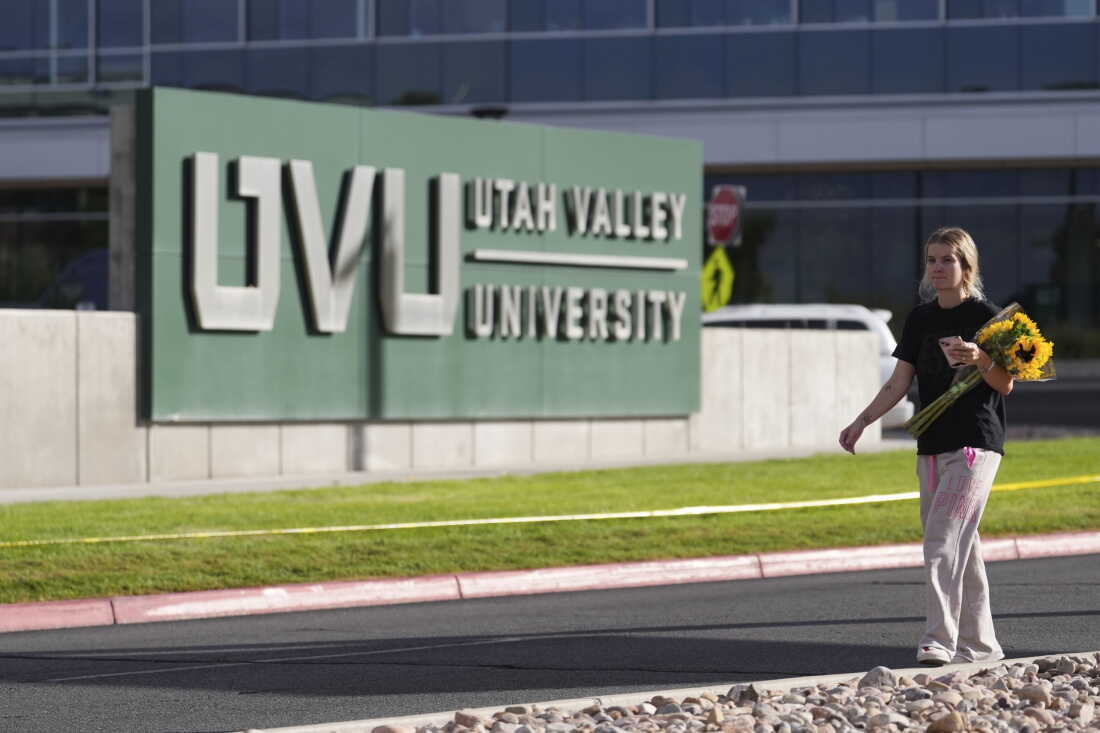
On September 12, 2025, honors were paid to Charlie Kirk at Utah Valley University in Orem, Utah, following a devastating incident that brought significant attention to campus. As students gathered in large numbers, the presence of this conservative activist drew considerable interest.
Senior Hazel Kynaston was among those who initially lacked familiarity with Kirk. She utilized a break between classes to witness the event, which attracted about 6,000 students. As Kirk addressed questions from the crowd in his renowned open Q&A forum, an unexpected tragedy occurred.
Kynaston recalled the scene, “The crowd was intense, and within moments, I saw Kirk collapse. I couldn’t believe the magnitude of the blood.” The panic ensued as a high-powered rifle shot from about 150 yards away ended Kirk’s life.
Kynaston, along with hundreds of onlookers, is requesting assistance from the state for mental health and trauma support. The Utah Office for Victims of Crime noted that approximately 500 witnesses sought compensation for mental health counseling following the incident, although only 173 have applied thus far.
Chyleen Richey, the Office’s Director, explained, “Determining eligibility involves establishing a zone of danger. For this case, the closest rows to Kirk were identified as the main zone.” The event’s occurrence on camera and the widespread online sharing intensified its impact, affecting victims’ experiences and eligibility.
The unique nature of the Kirk shooting lies in the global publicity it garnered, drawing comments and debates online. This forced witnesses to repeatedly confront the event and its political implications.
Hazel Kynaston described her struggles with seeing online debating whether Kirk’s death mattered. “I saw discussions about ‘did he deserve it?’ and felt trapped in my memories every day on campus,” she stated.
Criminologist James Densley pointed out that the shooting’s ramifications are complex. He emphasized the widespread mental health impact, which extends beyond those seeking compensation. Densley remarked, “The number of applicants doesn’t fully represent the extent of harm but more so those navigating the system.”
Turning to the legal matters, Tyler Robinson is accused of the shooting. Prosecutors argue for the death penalty based on the risk to bystanders and argue Kirk’s killing constitutes a capital crime. Although Robinson hasn’t entered a plea, a forthcoming hearing will determine if the case proceeds to trial.