
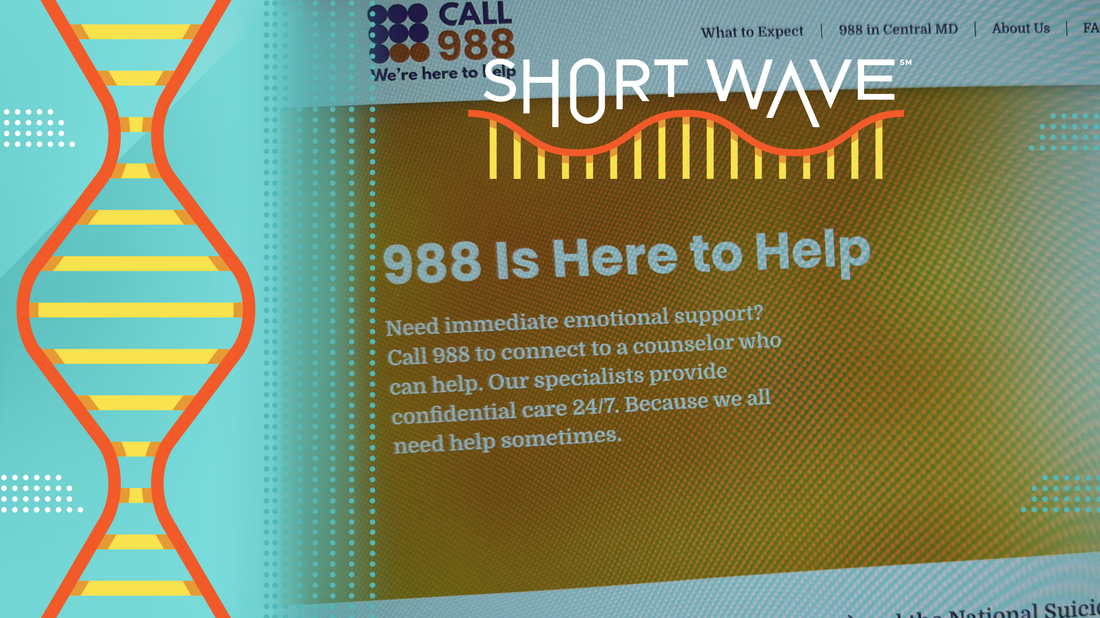
The National Suicide and Crisis Lifeline, known as 988, began operations three years ago. This helpline has become a crucial resource for millions of individuals seeking help. The line facilitates communication via calls, texts, and an online chat feature, making it accessible to anyone in need.
A study conducted by researchers from NYU and Johns Hopkins University has shown that between July 2022 and December 2024, around 1.6% of the U.S. population utilized the 988 line. This number highlights the significant reach and necessity of the service.
When individuals reach out for support, they are connected with a trained crisis counselor through a network of local crisis centers. This direct link to professional assistance provides immediate support and guidance.
Emily Kwong from NPR’s Short Wave podcast discussed with Jonathan Purtle, one of the study’s lead researchers, the advantages of 988 over the traditional 911 services. Despite its benefits, awareness about 988 remains limited in some regions.
For further resources, individuals can look to the Substance Abuse and Mental Health Services Administration (SAMHSA) or the Trevor Project. The Trevor Project specializes in suicide prevention and crisis intervention for LGBTQ+ youth, offering various support options.
Listeners of Short Wave can continue receiving mental health updates by reaching out to [email protected]. To support NPR’s work, consider subscribing to Short Wave+ for ad-free episodes. For easy access, Short Wave is available on platforms like Spotify and Apple Podcasts.
This episode was produced by Rachel Carlson, edited by Rebecca Ramirez, with fact-checking by Tyler Jones. The audio engineering was handled by Robert Rodriguez.