
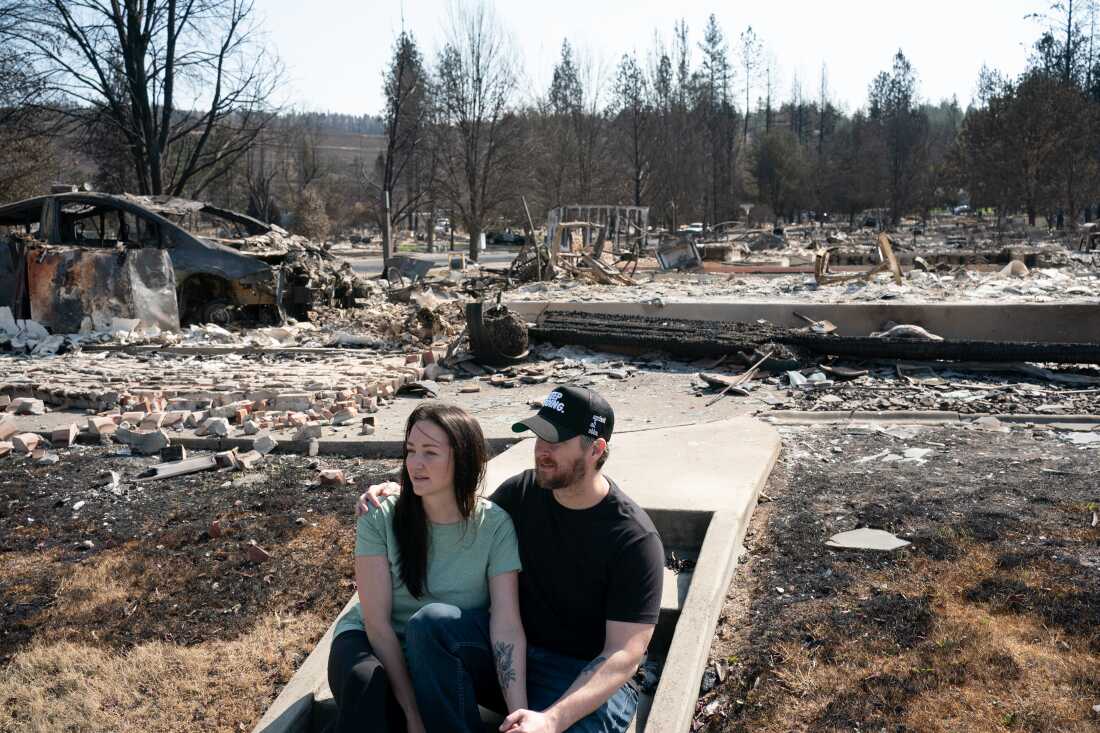
SPOKANE, Wash. — In the aftermath of devastating wildfires in Washington state, evacuees have returned to their homes in Spokane amidst safety concerns. The Spokane Complex fires destroyed over 900 structures, with lingering questions about safety in the area.
Sarah Nuss, the city’s emergency management director, highlights the ongoing hazards: lithium-ion batteries, hazardous chemicals, and lead paint from burned structures pose significant risks. The Environmental Protection Agency is initiating debris removal, a process that could take months or years.
“We cannot legally block access to these areas,” Nuss explains, “but educating residents on the hazards is crucial.”
The wildfires, exacerbated by heat and strong winds, resulted in widespread destruction. Melissa and Chris Matthews face the ruins of their home, equating the devastation to a bomb’s aftermath. Their thirty-year-old home is gone, leaving them in uncertainty as their insurance claim is processed.
The recovery timeline appears daunting; similar events in Colorado, Hawaii, and California show prolonged rebuilding efforts. For instance, only 14% of structures in Paradise, California were rebuilt three years post-fire.
A few lots away, experts sift through debris, donning Hazmat suits. Near the Matthews’ property, tools and protective gear lie ready for salvage operations. Chris Matthews describes the air quality as poor, impacting his health.
Nearby homes and facilities face contrasting fates, with some emerging unscathed. Signs urge residents in these areas to wear protective gear, ensure property inspections, and flush water pipes due to potential contamination.
Nuss acknowledges the ongoing water testing in Spokane, aware of contamination risks common in wildfire aftermaths. “We’ve seen manuals develop over time from other regions’ experiences. We understand the process,” she notes.
Community assistance from other regions provides a silver lining, offering learned experiences crucial for Spokane’s recovery efforts. Environmental engineer Andrew Whelton stresses the need for rigorous soil testing post-debris removal.
“Without proper testing, hazards might remain undetected,” Whelton warns.
As survivors navigate the trauma and practicalities, challenges compound without available affordable housing or federal aid. Don Simpson, a local resident, recounts his evacuation experiences and the emotional toll of the fire.
Despite challenges, there’s resolve to rebuild. Simpson shares community support witnessed firsthand. “It might be years before things normalize, if ever,” he reflects.