
The United States has long been a leader in biotechnology, but this position is increasingly challenged. China is conducting more clinical drug trials than the U.S., showing substantial growth over the past decade. This shift has implications beyond the biotech industry, affecting economic competitiveness, national security, and public health.
Despite these challenges, the U.S. has the potential to reclaim its leadership position, notably through regenerative medicine. This involves using biotechnologies such as engineered tissues, biomaterials, and gene editing to repair or replace damaged cells, tissues, and organs. Although active, China’s presence in this field is countered by the growing U.S. market for regenerative technologies, expected to reach $90 billion by 2030.
To seize this opportunity, the U.S. needs a dynamic and efficient regulatory environment that fosters innovation and allows American companies to compete globally. The regulatory process should be agile, ensuring timely decisions that give innovators clarity for product development.
Regulatory delays have practical consequences.
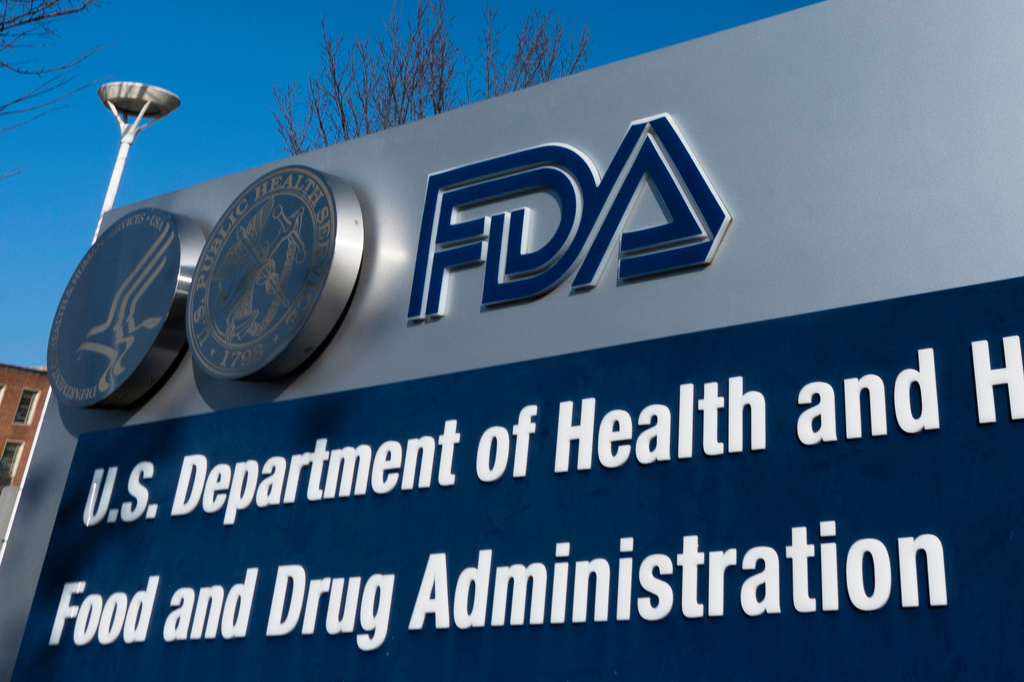
For example, Regenative Labs, a Florida-based company, struggles to expand internationally due to postponed decisions by the FDA on Certificates of Foreign Government. This document is essential for entering foreign markets. Despite the demand for its advanced biotech products, Regenative Labs faces obstacles due to lingering bureaucratic delays, which have persisted since the beginning of the Biden administration. By law, the FDA is required to act within 20 days, yet the decision remains pending.
These delays have allowed foreign competitors to gain a market advantage, affecting an American company’s ability to grow and create jobs domestically. Moving operations offshore would be a quick fix for Regenative, but the company is committed to staying in Florida.
This issue extends beyond a single company’s export applications. It highlights how lack of regulatory responsiveness can hinder biotech growth and manufacturing in the U.S., weakening its industry position. When decisions are delayed, opportunities for jobs, innovation, and manufacturing are missed.
Biotechnology’s significance in the 21st century is undeniable. Nations that drive medical innovations will play a key role in shaping the future. The U.S. must ensure that innovation thrives domestically, maintaining its status as a global biotech leader. If America’s leadership remains unchallenged, it means ensuring that the entire biotech process happens on home soil.
American biotechnology impacts much more than internal markets. Innovations developed in the U.S. have the potential to enhance the health of service members, military families, and citizens abroad. It’s vital to provide these groups with access to breakthrough treatments.
Efforts to advance U.S. biotechnology should focus on two main aspects. First, discovering new methods to improve health. Second, ensuring that innovative therapies reach those who need them. Clarity and prompt actions from regulatory agencies are critical to sustaining U.S. biotech leadership.
David Mansdoerfer is a former Deputy Assistant Secretary for Health and an adjunct professor in health policy and politics at Pepperdine University School of Public Policy.