
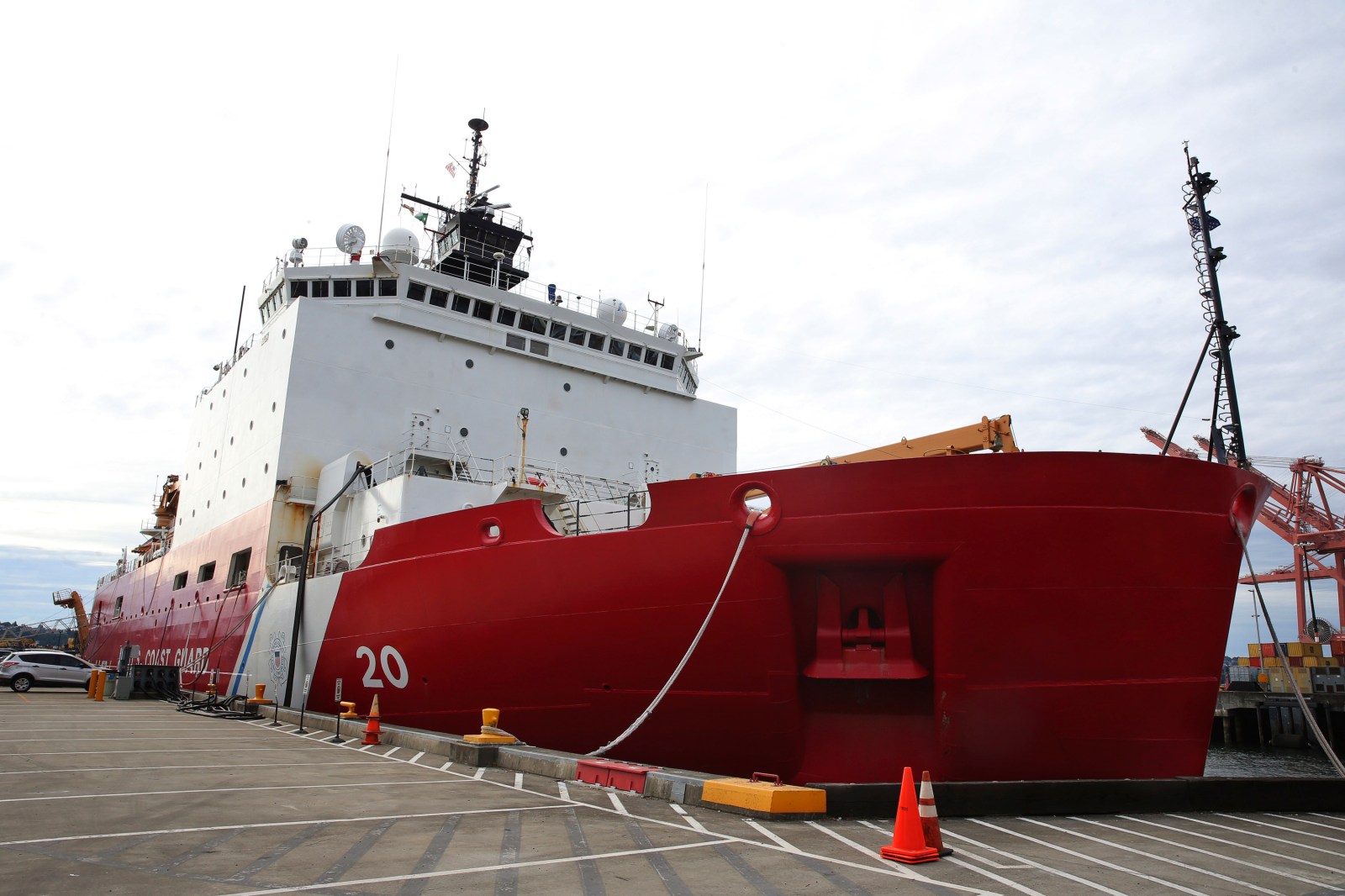
The United States finds itself in a challenging position when producing icebreakers, crucial for Arctic operations. Faced with delays and cost overruns, the nation’s first heavy icebreakers, commissioned by the U.S. government over seven years ago, remain incomplete. A Government Accountability Office (GAO) report suggests the first of three planned vessels might not be ready until at least 2033.
Similar issues arise in Canada. The Canadian government recently announced an $11 billion program to build six icebreakers for the Canadian Coast Guard, with the first ship expected by 2032 and the fleet by 2038.
Growing Arctic Importance
The Arctic’s significance continues to grow in terms of climate, research, security, economics, and new technologies. This highlights the urgency for icebreakers. Finland is stepping in to assist the U.S., as Finnish shipbuilders commenced work on four new icebreakers to be ready by 2028.
“About 60 percent of ice ships in the world were either built in Finland or follow Finnish designs,” said Robin Häggblom of Risk Intelligence. Finland’s expertise is essential because its ports freeze annually.
As the U.S. bolsters its Arctic presence, learning from Finland becomes crucial. With Finland joining NATO in 2023, following Russia’s invasion of Ukraine, the collaboration gains geopolitical weight.
Building Skills in the U.S.
In 2022, the White House announced a plan to construct up to 11 Arctic Security Cutters for the U.S. Coast Guard, totaling $6.8 billion. Key partners include Bollinger Shipyards and Davie Defense, with Finnish assistance. After initial construction in Finland, knowledge and skills will transfer to the U.S.
The need for these cutters is clear. The Arctic’s changing climate opens access to raw materials like minerals and energy resources. Moreover, the region’s shortest route between Russia and the U.S. figures into air defense and nuclear scenarios.
International Arctic Interest
Russia, with a vast Arctic coastline, leads the world in icebreaker numbers. Non-Arctic China is also active in the region, boasting icebreakers and regular Arctic shipping routes.
China’s company Sea Legend tests a commercial service from Asia along Russia’s coast through the Northeastern Passage. The Dubai Tower vessel exemplifies accelerating transit times over traditional routes like the Suez Canal.
Understanding the Arctic’s rising importance, Häggblom noted the need for the U.S. to maintain robust Arctic capabilities. Currently, the country’s capabilities are waning, posing challenges for Arctic ventures.
Next Steps in the Cutter Program
The Arctic Security Cutter program is deemed sensible amid massive costs related to other proposed defense initiatives. What remains uncertain is the U.S.’s ability to build follow-up vessels timely and within budget after the Finnish collaboration.