
Shark Incidents Rising with Population Growth
Shark researcher Jesse Watters recently discussed the early increase in shark attacks this summer with Chris Fischer, founder of OCEARCH. Notable events include closures of New York beaches due to bull sharks and attacks on a swimmer in Queens and a child in Florida.
Fischer pointed out that shark populations have returned to levels seen in the 1960s. He advised that beachgoers avoid swimming during high bait fish activity to minimize risks.
Puffer Fish Pose New Threat in the Mediterranean
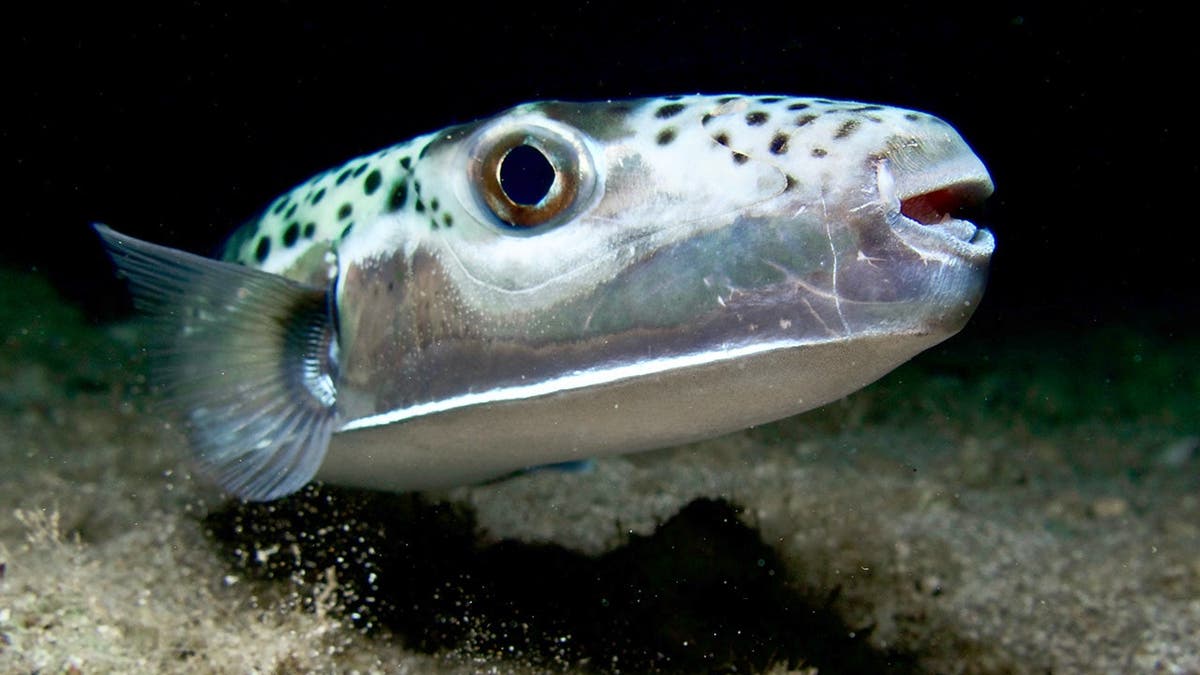
The silver-cheeked toadfish, known for its toxic flesh and strong jaws, is spreading across the Mediterranean. This has led local authorities to issue warnings. Originally entering through the Suez Canal, the fish has proliferated as ocean temperatures increase.
The fish carries tetrodotoxin, a deadly neurotoxin found in its flesh and organs.
Though not aggressive toward humans, incidents occur when they are caught or handled. A 2024 study in Toxics documented 198 health incidents due to the invasive fish since 2004, including 27 fatalities. The number of cases increased significantly after 2019, with many involving poisonings.
Precautions and Warnings Issued
The Hellenic Red Cross released an advisory warning about consuming the fish due to its potent neurotoxin. The bite is not venomous but its jaws can cause injuries.
Greek authorities have also installed floating barriers to protect swimmers in the Gulf of Euboea. More municipalities are following suit to ensure safety during summer months.
Fishing Nets Threatened, Government Response
Apart from the risks to humans, the fish has also affected fishermen, damaging nets off Crete and other areas. With few predators, its numbers are increasing.
To combat the issue, the Greek government is financially incentivizing fishermen to capture these fish, offering 5.33 euros per kilogram.
Toxicity levels vary among pufferfish species. Not all are hazardous, and farm-raised ones remain non-toxic as they avoid natural toxin sources.