
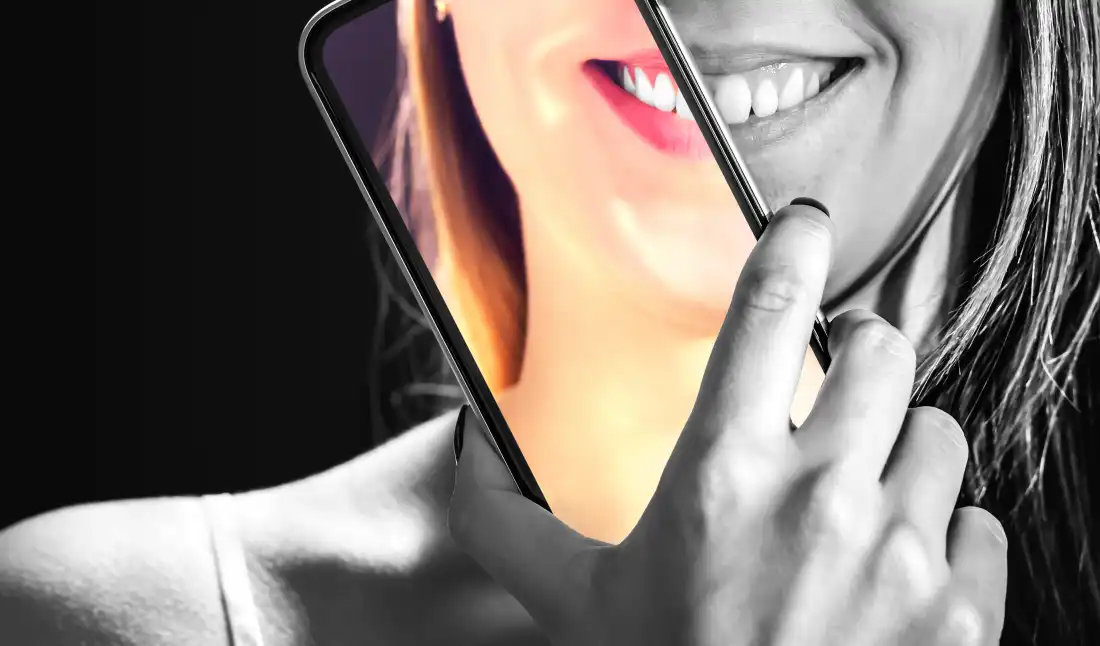
State attorneys general across the United States are considering how much digital filtering is appropriate for kids and teens on social media. This follows a significant settlement with Meta, which agreed to block certain digital beauty filters that mimic extreme transformations for minors. Now, the responsibility lies on state officials to determine the limits of digital alterations.
Impact on Youth Body Image
Teens today face the ongoing challenge of online perfection. This pressure is fueled by trends such as the ‘Instagram face,’ a concept with features like a small nose, high cheekbones, and pouty lips. Achievable through surgery or heavy makeup, these features are now accessible via digital filters. Mia Lerner, a 17-year-old advocate from California, shares how these tools contributed to her eating disorder and negative self-image.
Lerner expressed, “My face looks better in photos manipulated by filters, but I still deal with my real appearance.”
She supports Meta’s decision to limit beauty filters for minors, describing it as a positive step.
Concerns About ‘Subtle’ Editing
The settlement between Meta and 47 U.S. states, plus other territories, does not ban all digital effects. Filters that transform users into characters like elves or animals remain. Subtle beautification filters, however, raise concerns. Lerner points out that slight edits make comparisons more tempting and challenging to ignore.
Tech Guardrails and AI Challenges
Meta has implemented measures to manage beauty filters using AI. The company prohibits filters promoting cosmetic surgery and third-party creation of such tools. Despite initiatives, filters promoting harmful aesthetics continue to bypass controls at times.
Similar challenges exist with other tech companies. TikTok limits beauty filter use for underage users. Snapchat has not implemented similar restrictions, and no response came from them or TikTok when questioned by NPR.
YouTube limits filter use, but nothing prevents filtered content creation for other platforms like TikTok and Instagram. Meanwhile, state attorneys general approach their deadline to guide Meta on filter criteria.
Evolving Beauty Standards
With shifting digital beauty standards, defining beauty filters becomes complex. Creative technologist Florencia Solari mentions that trends evolve rapidly, with ‘Instagram face’ losing popularity and extreme thinness growing. Lawmakers face the reality that what is considered extreme will change over time.
Technological and Legal Challenges
As beauty standards and technology evolve, legislative focus may need to broaden to consider AI’s role in creating entirely manipulated digital environments. Kelly Frasier emphasizes the potential future obsolescence of filters, suggesting the need for more comprehensive AI regulation.
Legal experts caution that states might struggle to agree on elements of beauty filters. Controversies could arise if states differ in their assessment of what constitutes an acceptable cosmetic procedure filter.
Beyond the U.S., the EU proposes broader regulations. The KIDS Act aims to forbid all beauty filters for minors, focusing on creating child-friendly online experiences.
Feedback from Teens
Meta aims to enforce a ban on cosmetic procedure filters soon. Youth activists like Lerner stress the importance of including teens in these regulatory discussions.
Lerner insists, “Teens should provide input on whether extreme filters affect them and if other issues need targeting.”
Although Meta has partnered with teens in the past, NPR did not confirm whether this is ongoing.