
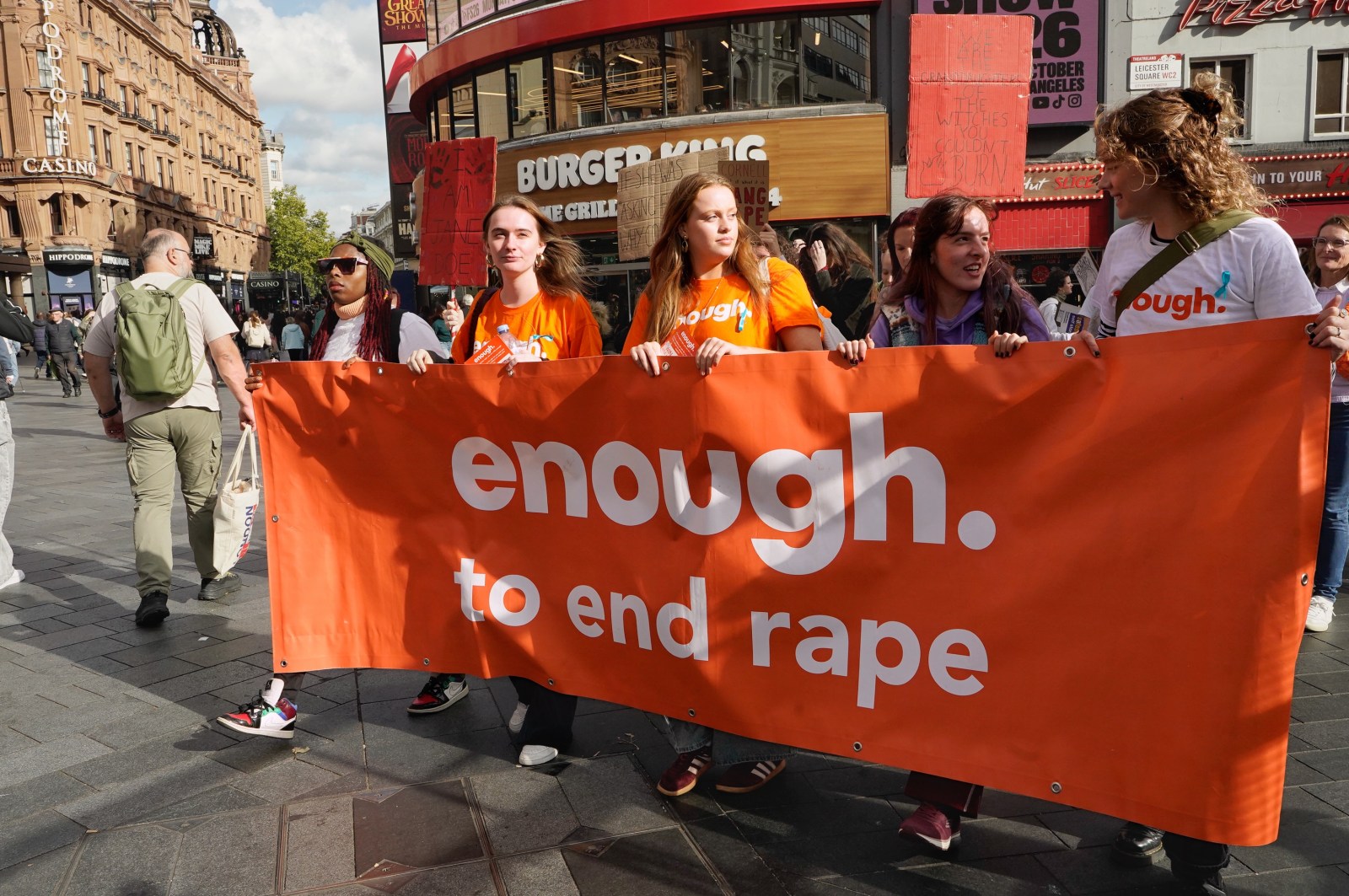
Coordinated Campus Action
Nearly 100 colleges across the U.S. are set to participate in ‘Take Back the Night’ events. The initiative reflects growing concern over fraternity culture, campus safety, ‘rape culture’, and university accountability. These events stem from recent controversy at Cornell University regarding sexual assault allegations tied to the Chi Phi fraternity.
The National Campus Take Back the Night Rally will commence with a national livestream at 8 p.m. EST on Sunday. Hundreds will gather for rallies, marches, and readings of a reform mandate aimed at university leaders. Registration for the livestream is necessary through takebackthenight.org.
Cornell Under Scrutiny
Cornell, located in Ithaca, New York, faces criticism over its handling of sexual assault complaints involving the Chi Phi fraternity. These allegations have sparked protests, donor pressure, and a faculty no-confidence vote, raising broader queries about university oversight regarding fraternities and student safety.
Cornell enabled us to have an entry point and a larger audience for this conversation.
A survey by Westat for the Higher Education Sexual Misconduct and Awareness Survey Consortium revealed 18.9% of undergraduate women experienced nonconsensual sexual contact involving force or inability to consent since enrolling in college. The rate for undergraduate men was 6.5%.
Mobilization Efforts
In response, activists rapidly expanded efforts to include 79 campuses nationwide. The goal is collective action, not isolated efforts. Original plans for local marches faced challenges such as campus restrictions, leading to the adoption of a national livestream to ensure broader participation.
Why Cornell Matters
The lawsuit by Jane Doe about an alleged gang rape at the Chi Phi fraternity highlights themes central to sexual assault debates: fraternity culture, alcohol use, university discipline, transparency, and institutional responsibility. Public attention remains high due to the university’s prominence.
We don’t have all the answers, but we are committed to investigating and finding the answers our community deserves.
New York Governor Kathy Hochul announced state police will take over sexual assault complaints at Cornell under a new partnership. The university police will hand complaints over to state police unless victims choose another agency.
Longstanding Issues
‘Take Back the Night’ dates back to the 1970s, addressing issues like access to healthcare and campus safety. Over the years, the focus expanded to include fraternity culture, consent, and accountability.
Katie Koestner links past and present concerns, citing persistent similarities over the decades. She expressed disappointment that colleges haven’t adequately protected students.
Fraternities Under the Microscope
Amid the Cornell controversy, some argue for a reevaluation of college relationships with fraternities. Koestner highlights recurring issues in male-dominated social spaces.
These protected spaces have harbored hundreds of rapes over the last 100 years.
The national Chi Phi fraternity asserts it acted swiftly in response, expelling implicated members following the allegations.
Experts warn that removing fraternity oversight could drive behavior into less-regulated areas, raising new challenges.
Five Key Demands
‘Take Back the Night’ events revolve around a five-point mandate:
- Evidence-based prevention education for all students
- Trauma-informed investigations and independent oversight
- 24-hour emergency response systems for students seeking help
- Monthly transparency reporting and annual campus climate surveys
- University-led modernization of sexual assault laws
Koestner emphasizes practicality and results-driven reforms, aiming for policies that garner wide support.
The effort underscores ongoing challenges in fostering meaningful change amid fluctuating standards and diverse demands.