
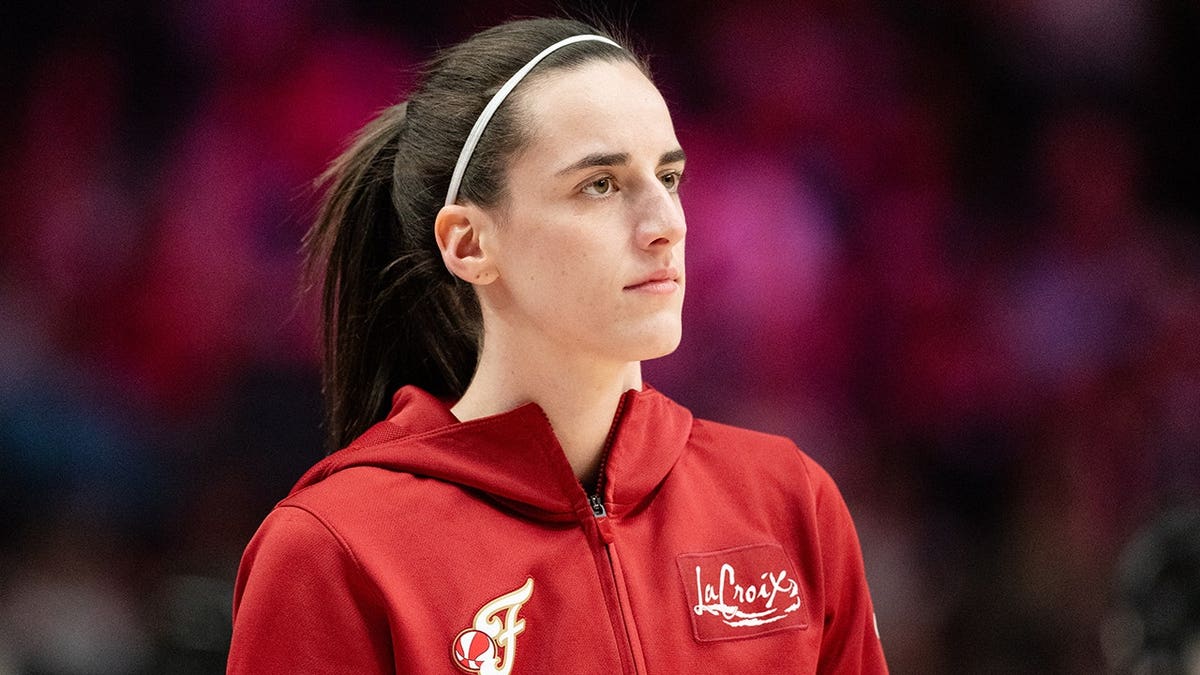
Caitlin Clark recently spoke out regarding media portrayal, criticizing the “false characterizations” surrounding her. In an interview with ESPN, she stated, “I think there’s just like a false characterization of who I am sometimes.”
This comes amid controversy sparked by a USA Today opinion piece that linked Clark’s on-court actions to historic racial incidents, such as invoking the murder of Emmett Till. The piece criticized the Indiana Fever guard’s responses to fouls and her interactions with referees.
Clark, wearing No. 22 for the Indiana Fever, said, “And I get it, like, as a reporter or as a blogger, like you can write an opinion piece and that’s your job and whatever. But at the same time, like you don’t know me.” She emphasized the difference between journalism and her passion for basketball, “The reason I play it is when I step in between the lines, I love it. And that’s what’s so fun about it for me is like, I get to compete.”
She expressed concern over media coverage saying, “I think a lot of it is like, it’s not always based in reality.” She mentioned the role of media in shaping public perception and how it can sometimes be detached from the truth.
The controversy intensified when Phoenix Mercury’s Alyssa Thomas punched Clark in a game, which was initially not called a foul but later led to Thomas’s suspension. This incident fueled debates across media, often highlighting racial issues.
Reflecting on the incidence, Clark remarked on its emotional toll, “It seems like there’s always a moment like that in every season… it’s exhausting, it’s frustrating.” She noted that while such events are part of basketball, media often shifts focus from the game itself.
During All-Star weekend, Clark urged media and fans to consider her emotional well-being. She stated, “People forget like I have feelings… I feel things, I have emotions.” She pointed out the discrepancy between social media portrayal and reality.
Clark shared that her meeting with former President Barack Obama offered comfort during these challenging times. Obama praised her for handling the attention well. He mentioned, “I got famous in my 40s, I didn’t have to do it in my 20s.” This interaction served as a reminder of the importance of respecting and understanding the challenges people face.