
Ten years after Britain’s departure from the European Union, the agricultural sector has adapted to significant changes in its labor force. Today, many of the seasonal workers on British farms come from far-flung countries like Kyrgyzstan and Tajikistan. Agricultural leaders state that these workers are essential for farm operations to succeed.
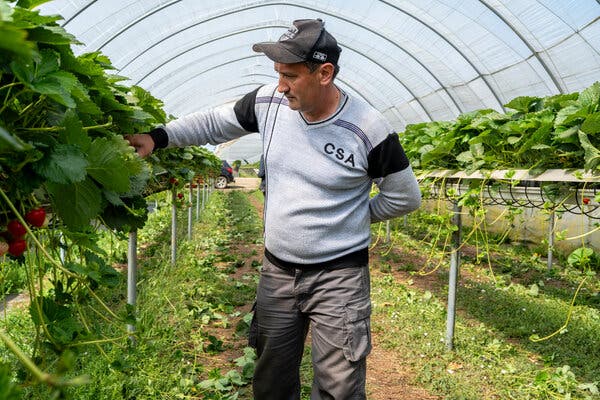
Shukrat Djuraev, working in Kent, England, is one such worker. He hails from Bukhara, Uzbekistan, and is one of thousands who travel thousands of miles to work in Britain’s agriculture each year. Djuraev appreciates the stability and calm the work provides, amidst thousands of strawberry plants in a vast greenhouse.
Before Brexit, Eastern European laborers filled these roles due to their proximity and rights within the EU. Post-Brexit, their work rights were revoked, leading many to assume fewer foreign workers would be seen in Britain. Contrary to assumptions, British farms have turned to Central Asia for their workforce, utilizing six-month visas to meet labor demands.
Immigration was central to the Brexit campaign, with proponents urging Britain to regain control over its borders. A decade on, immigration continues to influence political debates, especially impacting the governing Labour Party. Nigel Farage, a prominent Brexit supporter, has led his populist party, Reform U.K., to significant political victories, challenging Labour’s position.
This political shift resulted in the resignation of Prime Minister Keir Starmer, reflecting ongoing turbulence regarding immigration policy.