
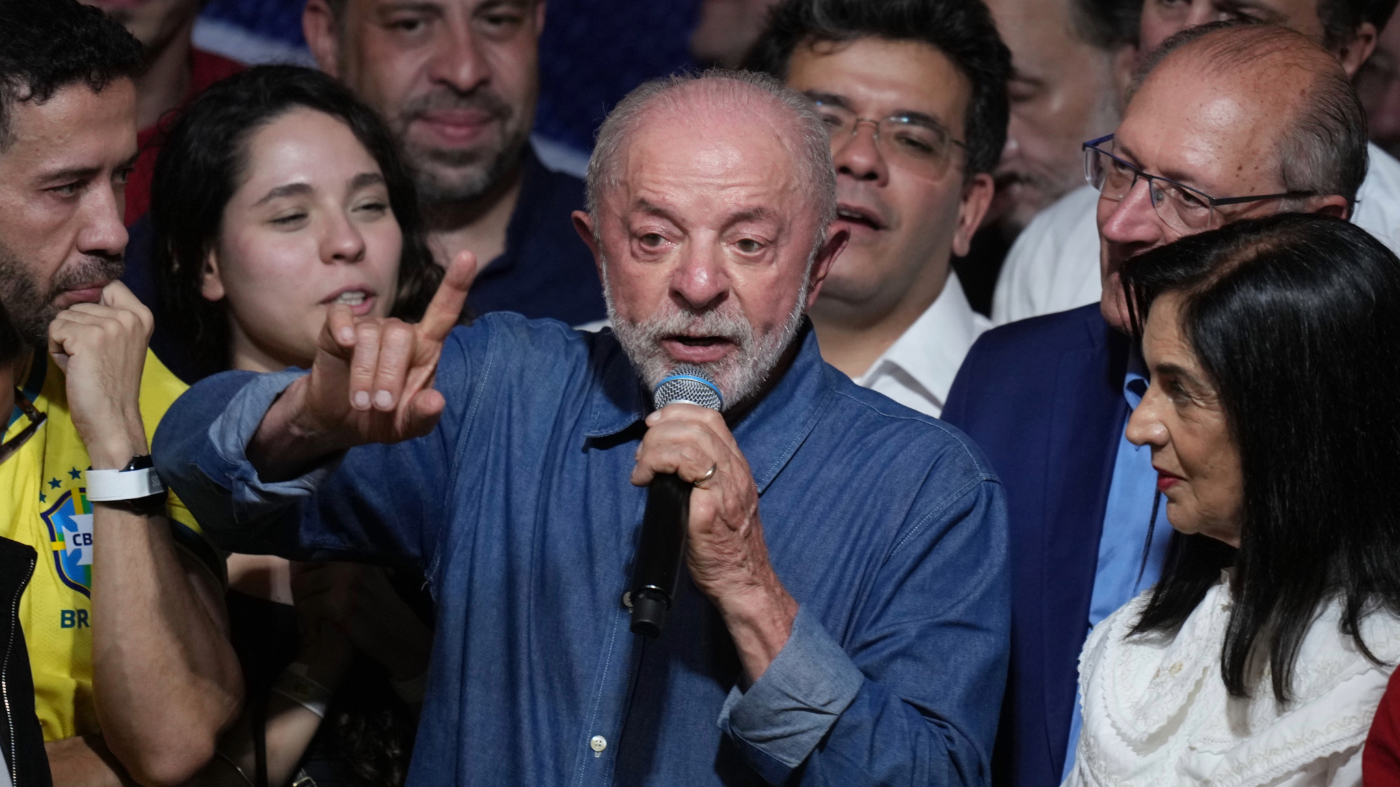
Luiz Inácio Lula da Silva has embarked on his fourth term as President of Brazil, following a victory in the runoff on October 25, 2026. Lula’s triumph came after an initial setback, as he rallied to achieve 51.8 percent of the electoral vote, surpassing his opponent, Flávio Bolsonaro, who garnered 48.2 percent. This equated to a difference of over four million votes. Lula stated firmly that Brazil would no longer be regarded as anyone’s subordinate territory, challenging external perceptions of the nation.
Despite this electoral win, tensions have risen with former U.S. President Donald Trump, who suggested the election appeared compromised. The two leaders, however, have interacted on three occasions over the past 13 months, driven by commercial interests rather than shared political ideologies. Trade between the United States and Brazil was valued at $135.7 billion in 2025, marking a 6.5 percent increase from the previous year. The U.S. stands as Brazil’s second-largest trading ally. Both nations maintain an intricate relationship that transcends ideological divides.
The contrast between Lula and Trump is notable. While Trump has roots in the private sector, Lula is recognized for his labor leadership, advocating against business interests for more than five decades. Lula embodies the quintessential 20th-century left-wing leader, connecting with figures like Fidel Castro in Cuba and Daniel Ortega in Nicaragua. His electoral success was costly; he championed at least $57 billion towards extensive social program expansions, addressing issues such as debt relief for small entrepreneurs and subsidies for families facing food and fuel costs.
Yet, Lula’s win triggered economic instability. Brazil’s currency depreciated significantly, experiencing an 11 percent drop against the dollar, alongside a 14 percent decline in stock markets. Historic lows were recorded in a reaction to Lula’s governance. Despite these developments, Brazil remains a prominent Latin American power and one of the world’s largest democracies. It continues to participate actively in the G20 and the BRICS group, interacting strategically with both Western democracies and authoritarian regimes.
Lula’s administration is set to challenge existing geopolitical doctrines, particularly with its evolving associations across Latin America and beyond. While clashing with Brazil is economically impractical, disregarding its alliances with adversaries outside the U.S. could pose significant risks. China’s influence is especially notable; Brazil recently hosted the Silk Road Ark, a military hospital ship from the People’s Liberation Army Navy, engaging in joint maritime exercises. China’s economic footprint is expanding, with companies like BYD and Huawei making headway.
Brazil has been hesitant to officially classify criminal entities such as the Primeiro Comando da Capital and Comando Vermelho as terrorist groups, maintaining a distance from the U.S. security initiatives like the “Shield of the Americas.” With Lula’s leadership, Brazil is intertwined with anti-American sentiments, yet it remains crucial for trade, necessitating nuanced diplomacy to manage Chinese engagement and bilateral relations effectively.
The complexities of Brazil under Lula’s leadership requires vigilant assessment and strategic negotiation. Maintaining trade while navigating political discord is essential, ensuring that Brazil remains an integral yet challenging partner for the United States.
Arturo McFields, an exiled journalist and former Nicaraguan ambassador, as well as a participant in defense and leadership seminars, provides critical insights into these dynamics. The political landscape of Brazil signifies both opportunities and obstacles, reflecting its pivotal role on the global stage.