
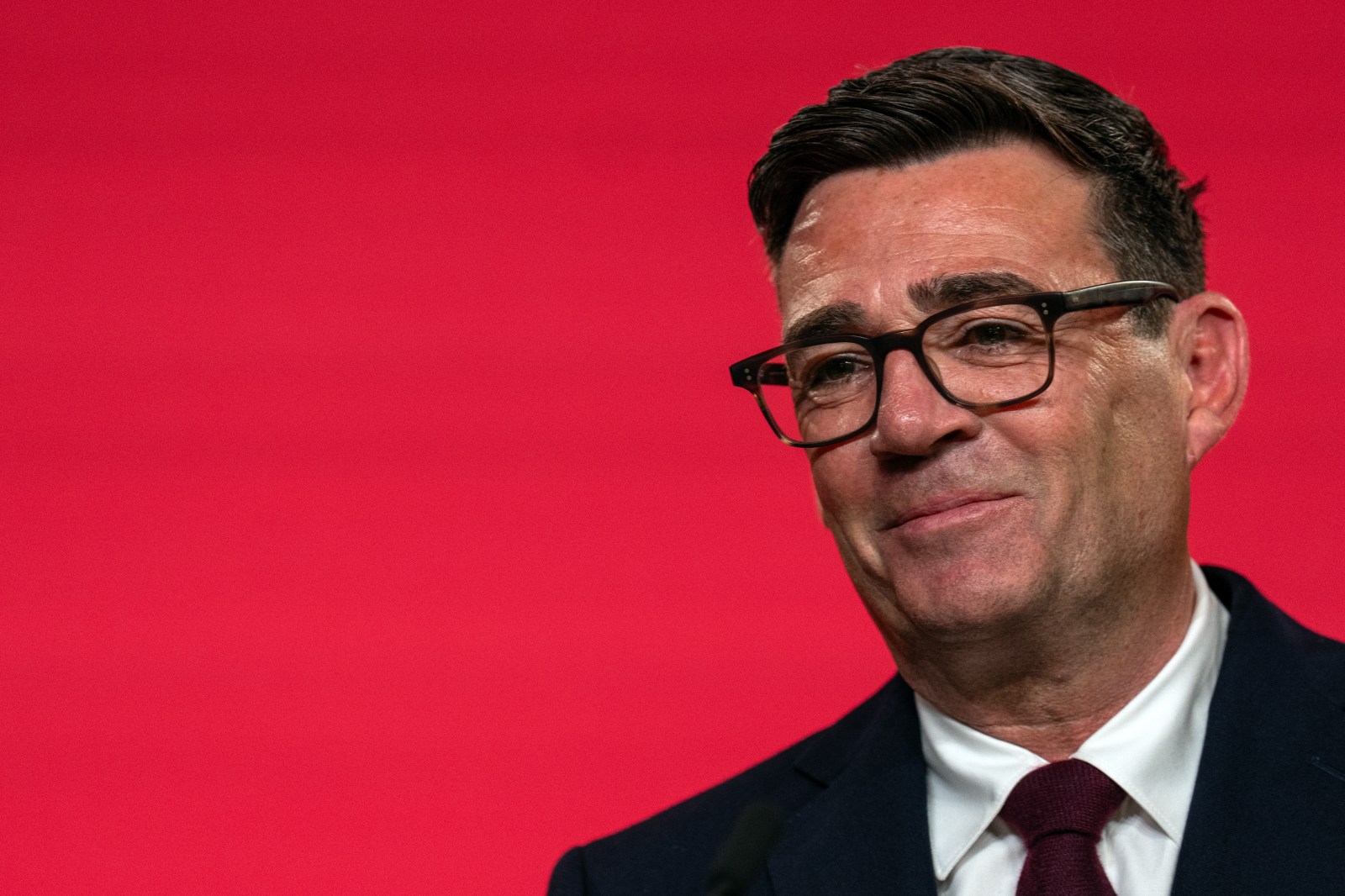
When questioned about Andy Burnham last month, President Donald Trump expressed limited awareness. He noted Burnham’s past role as a mayor and described him as extremely liberal, suggesting he might not be keen on expanding North Sea oil drilling. Trump linked this issue to Keir Starmer’s ousting after only two years in office.
Burnham’s ascension to prime minister might present more challenges in gaining Trump’s favor, given the president’s recent critiques of the Democratic Party’s left wing. However, Burnham identifies as business-friendly. His background provides insights into his potential leadership style.
The Transition from Mayor to Prime Minister
Burnham transitions from his role as Greater Manchester mayor to U.K. Prime Minister on Monday, taking over leadership of the Labour Party. He was the sole candidate in the party’s leadership contest after securing a parliamentary seat in a special election.
In a recent speech, Burnham emphasized his pro-business stance, promising significant political shifts. Despite his charismatic appeal, he inherits Starmer’s economic and political issues, like the sluggish economy and living cost challenges. His policy details remain sparse, but he draws lessons from Manchester’s economic growth.
Manchesterism and Burnham’s Vision
Burnham’s vision, termed ‘Manchesterism,’ combines business-oriented socialism with investment in transport, housing, and infrastructure. He plans to enhance city and regional leader autonomy, create industrial jobs, and improve education. He also advocates increased public control over privatized utilities.
Sheri Berman, political science professor at Barnard College, stated Burnham’s platform aligns more with European social democracy than communism. His proposals aim to fortify welfare, public housing, and the NHS. Britain’s history of nationalized utilities offers context to Burnham’s approach, echoing pre-Thatcher models.
Influence Within the Labour Party
James D. Boys from University College London noted Burnham’s intent to revert to pre-Thatcher policies, including utility re-nationalization and large-scale public housing funded by tax hikes. Boys compares Burnham’s trajectory to that of U.S. democratic socialists, shifting away from centrist policies.
David Bailey from the University of Birmingham remarked Burnham’s pro-business and anti-immigration stance, though his campaign suggested further net migration reductions. Bailey characterizes Burnham’s leadership as tonal rather than ideological shifts.
Handling U.S.-U.K. Relations
Burnham acknowledges potential challenges in dealing with Trump but hopes his personality style might foster a stable relationship. He aims for direct, upfront interactions.
Bailey suggests Trump might welcome Burnham’s leadership if he maintains popularity and adherence to certain policies, given Trump’s reaction to New York City’s democratic socialist mayor. Popularity may outweigh ideological differences.
Yet Burnham’s left-oriented policies might create friction with Trump. Boys projects increasing odds of conflict with the Trump administration, noting Burnham’s likely critiques of Israeli policies and reluctance regarding British force commitments in conflicts.
Boys concludes Burnham might not pursue strong ties with Trump, anticipating EU relations and potential Democratic U.S. gains in upcoming elections.
Newsweek editors for this story include Ben Kelly and Dave Siminoff.