
African and Caribbean leaders are seeking financial compensation, cancellation of debts, and official apologies from nations that profited from the transatlantic slave trade. This follows their approval of a comprehensive reparations plan at a conference in Ghana.
The reparations framework, composed of 19 points, demands monetary restitution, debt relief, a Global Reparations Fund, and the return of stolen cultural artifacts and ancestral remains. It also calls for reforms in international financial institutions, which supporters claim are unfair to Third World countries.
The proposal is set to be presented at the next United Nations General Assembly, marking a coordinated effort by African and Caribbean countries for slavery reparations. The African Union and the Caribbean Community (CARICOM) Commission on Reparatory Justice adopted the plan at a conference’s conclusion last Friday.
“None of us gathered in this hall today can be held personally responsible for the atrocities of the transatlantic slave trade,” said Ghana’s President John Dramani Mahama. “History does not ask us to inherit guilt, but it asks us to inherit responsibility,” he added.
The proposal does not specify which countries should offer compensation or formal apologies. However, it emphasizes debt cancellation, climate justice financing, expanded citizenship pathways for Africans in the diaspora, and a “right of return” for descendants of enslaved Africans.
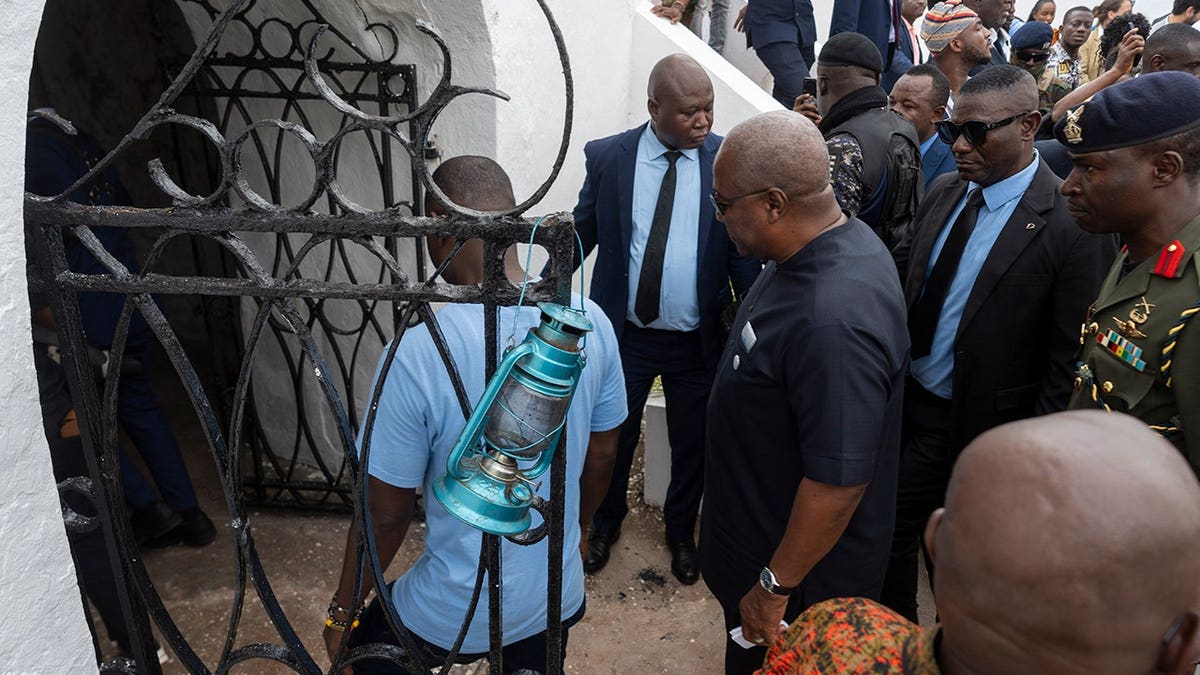
Additionally, African nations are urged to preserve former slave forts and castles as remembrance sites. Advocates claim that more than 12.5 million Africans were abducted and transported on European ships from the 15th to the 19th centuries, and the enduring impacts of slavery continue to affect Africa and the Caribbean.
This conference is a follow-up to a United Nations vote in March, which recognized transatlantic slavery as the “gravest crime against humanity.” The resolution passed with 123 votes in favor, though the United States, Israel, and 52 other countries either opposed it or abstained from voting.
According to Reuters, the United States and European Union expressed concerns about the resolution potentially establishing a hierarchy among crimes against humanity by prioritizing certain atrocities over others.
The conference attracted heads of state from various nations including Namibia, Liberia, Senegal, Barbados, and Sao Tome and Principe, alongside senior officials from other countries. French President Emmanuel Macron also addressed the meeting virtually, acknowledging the agony inflicted by slavery.
Macron stated that enslaved individuals were “torn from their homelands, deported, dehumanised, and treated as goods.” He urged that reparations should not be perceived “as an end point, or a cheque written to bring the story to a close.”
The Ghana conference amalgamated individual reparations initiatives previously explored by African and Caribbean nations into one document, which organizers plan to present at the United Nations.