
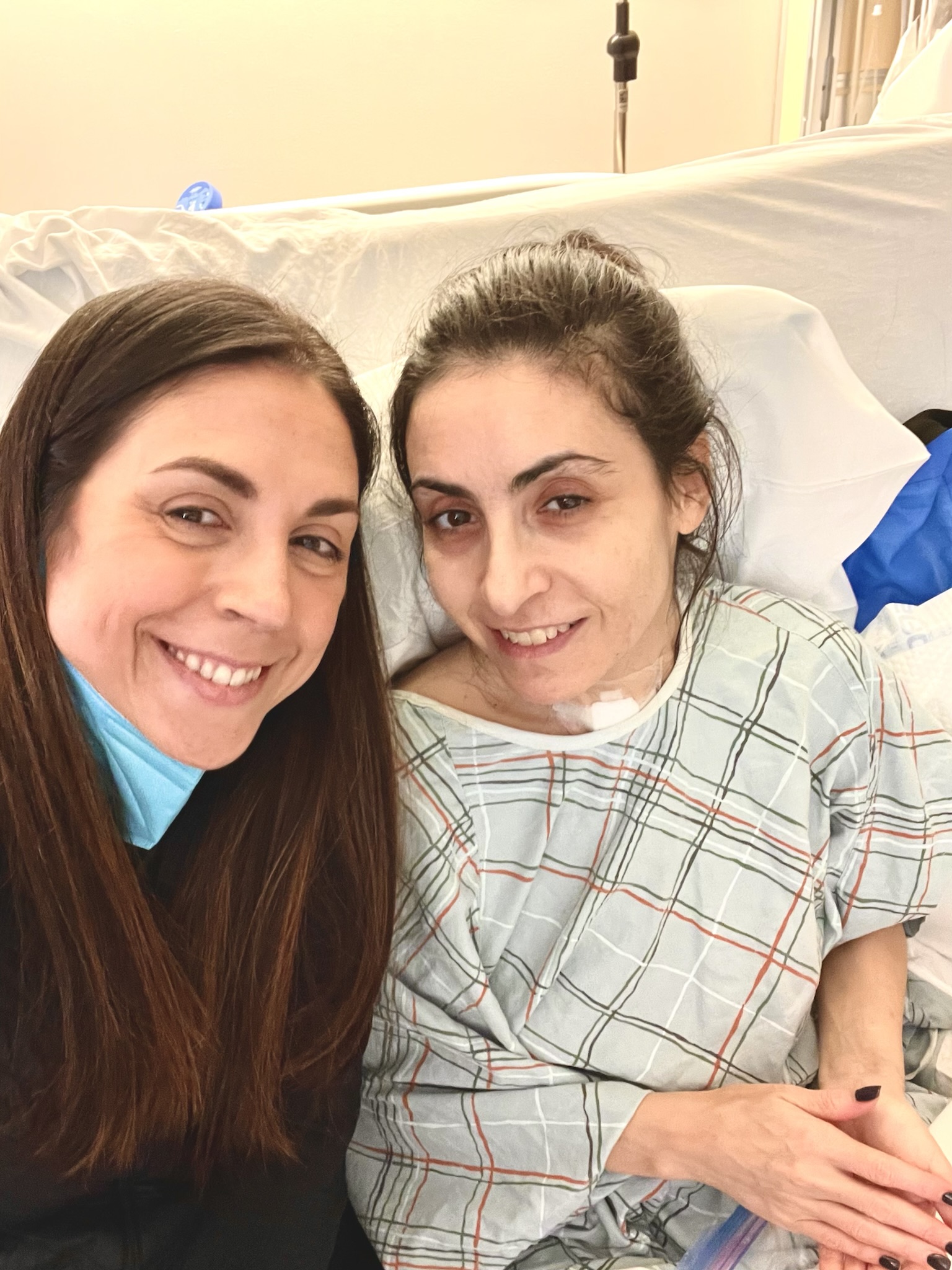
Four years ago, I came close to losing my life. On January 8, 2022, I awoke with a sense of foreboding, telling my doctor, “I feel like I’m dying.” My voice was faint, and getting out of bed seemed impossible. My head throbbed intensely.
Just the day before, an ER visit led me to believe I had a severe respiratory infection. The hospital sent me home. But that night, my condition worsened. My speech slurred, and weakness set in. My parents rushed me back to the hospital, where I received a diagnosis of viral encephalitis. This rare infection inflames the brain and can quickly become life-threatening.
Doctors placed me in a two-week coma. When I regained consciousness, I faced several challenges. Speaking, breathing, eating, and walking were beyond my abilities.
Today, I reside in New York City. I work full-time, live on my own, and run almost every day. I’m training for my 10th marathon this fall. Despite these accomplishments, I sometimes forget their significance. Surviving doesn’t simplify life but alters your perspective.
A History of Struggle
Before the brain infection, I had already battled health issues. In 2002, at 23, multiple sclerosis (MS) struck. My feet went numb, followed by my legs. Doctors said I might never walk again. I kept this diagnosis a secret for years. Through rehabilitation and physical therapy, I regained strength.
Nothing prepared me for January 2022. A cold turned into a grave threat. Awaking from the coma weeks later, I found my body unfamiliar. Muscles had vanished, and weakness consumed me. Even sitting on the bed was exhausting. Standing required 30 minutes with help for one step.
Finding Strength
I understood the fragile nature of life. From healthy and independent, I became dependent on assistance. Fear was present, but I knew I had to reclaim my strength.
Relearning bodily movement humbles you. Each time my feet touched the floor, it marked a victory. Physical therapists were patient and supportive, encouraging me even when progress felt invisible.
Leaving the hospital, recovery was no miracle. It was an exhausting journey through physical, speech, and occupational therapy, focusing on small repetitions and minor victories. Three months later, participating in a 5K was a testament to progress. Running wasn’t the focus; proving my resilience was. Months spent recovering culminated in crossing that finish line, reclaiming a part of myself.
Eight months after my near-death experience, I ran the New York City Marathon again.
The Reality of Recovery
I share these experiences not for admiration but to illustrate the reality of recovery. It requires consistent effort and dedication. Attending therapy sessions when unmotivated, training when muscles tremble, and believing in unseen progress define resilience. It is quiet and requires perseverance.
Four years have passed, and I celebrate a personal “life anniversary.” Life isn’t perfect, but I exist here and now. I occasionally forget my fortune, feel workplace stress, and fret over minor issues. Then I remember my time in a hospital bed, unable to move or speak, and nearly lost.
Perspective shifts drastically.
Now, as a volunteer at Mount Sinai, I support neuro rehab patients facing daunting challenges. Many may never walk or live independently. Fear and uncertainty are ubiquitous. I don’t portray myself as a miraculous story but as evidence that progress is attainable.
Commitment to Progress
I tell them this: Surviving doesn’t ease life’s challenges. You redefine strength, celebrate small steps, and undertake the work. Progress involves belief amid uncertainties.
Healing isn’t a straight path. Setbacks occur. Living with multiple sclerosis, fatigue strikes, and strength fluctuates. Some runs are easy, others taxing. Learning resilience means knowing when rest is vital.
Running embodies this commitment. I began running in 2019 at 40. After surviving encephalitis, running assumed deeper significance. Each mile proves my capacity for hard things. Each marathon asserts resilience, not fragility.
To date, I’ve run nine global marathons, five included in the Abbott World Marathon Majors. In March 2027, I hope to finish in Tokyo, earning my sixth star.
Medals don’t matter most. What matters is my journey from immobility to endurance. Predictions from 2002 about never walking again and challenges from a 2022 coma were overcome through countless everyday decisions to keep moving forward.
Reflection on Resilience
When asked about my current perspective, I say this: While we can’t control events that affect us, our responses are within our power. The future is uncertain, and surviving a brain infection taught me life’s swift turns.
But pushing forward, even imperfectly, shapes outcomes. Progress today might be a single step, but it’s enough.
Four years ago, life nearly slipped away. Now, I live, run, work, and extend support to those fighting personal battles. Each morning, I acknowledge an important truth: Survival isn’t the miracle. The miracle lies in understanding that predictions do not determine destiny, resilience outshines fear, and new life can surpass expectations.
Amy Gruenhut is a New York City-based marketing executive and marathon runner who volunteers with Mount Sinai’s neuro rehabilitation program, supporting patients on their journey toward recovery. All views expressed in this article are the author’s own.