
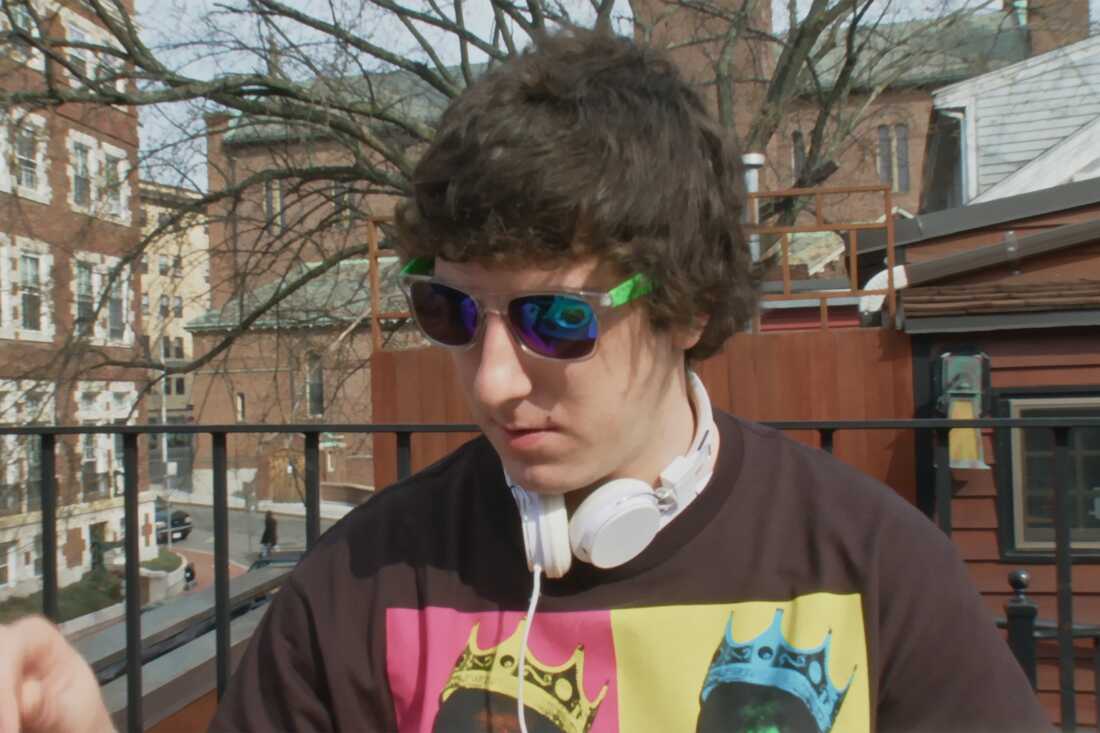
Adrian McElwee, the son of filmmaker Ross McElwee, has played a significant role in his father’s cinematic journey, forming the heart of his latest film, Remake. The film offers a poignant exploration of loss and remembrance. Music Box Films captures this deeply personal narrative.
In an age dominated by social media, the mundane often becomes a source of mass distraction. The ubiquity of platforms has nurtured the belief that anyone’s life can be captivating simply by sharing it with the world. This era recalls my own experience with LiveJournal, where personal stories were publicly displayed. However, amidst this ocean of superficial content lies the potential for meaningful storytelling, as demonstrated by McElwee’s captivating filmography.
Ross McElwee’s work immerses audiences in the personal, often blurring the lines between life and art. With his latest release, Remake, he reflects on his relationship with his late son, grappling with themes of love and loss. Remake stands among this year’s standout films, beckoning viewers with its intimate allure.
Before watching Remake, an exploration of McElwee’s previous works proved essential. Utilizing library resources via Kanopy, I engaged with his cinematic legacy. McElwee’s storytelling style has paved the way for the day-in-the-life content creators we see today.
McElwee often employed a solitary approach, operating as his own production crew. Carrying a bulky film camera, he documented fascinating individuals across many years, creating a body of work that traces the passage of time. His subjects, whether close friends or new acquaintances, often appeared in multiple projects, evidencing his deliberate and reflective style.
Among his notable characters is Charleen Swansea, a vibrant poet and educator who featured prominently in several films. Her candid wisdom and Southern charm added depth to works like Charleen, Time Indefinite, Six O’Clock News, and Remake.
McElwee’s renowned film, Sherman’s March: A Meditation on the Possibility of Romantic Love In the South During an Era of Nuclear Weapons Proliferation (1986), was intended as a Civil War documentary. Yet, it transformed into a personal account of his romantic pursuits, showcasing his capacity for introspection.
In Remake, McElwee employs footage from his past films. This method underscores the influence of previous work on his storytelling. The years since his film Photographic Memory (2011) reflect the complexity of his evolving relationship with Adrian, who tragically passed away from an overdose in 2016.
The film confronts the challenges of addiction and parental grief. It presents a heartrending perspective on Adrian’s struggles, potentially resulting from a skewed self-image cultivated by the lens. McElwee delves into personal archives, including Adrian’s own recordings, revealing the younger McElwee’s aspirations to document his experiences.
At the outset of Remake, McElwee muses, “I used to be a filmmaker,” hinting at a contemplation of his career’s worth. The question of whether his craft justified its costs remains subjective.
As an observer of life, McElwee’s passion for storytelling continues to resonate. Remake celebrates those small moments that collectively define a lifetime.
More insights and discussion can be found in NPR’s Pop Culture Happy Hour newsletter. For continued engagement with pop culture content, subscribe and tune into the podcast on Apple Podcasts and Spotify.