
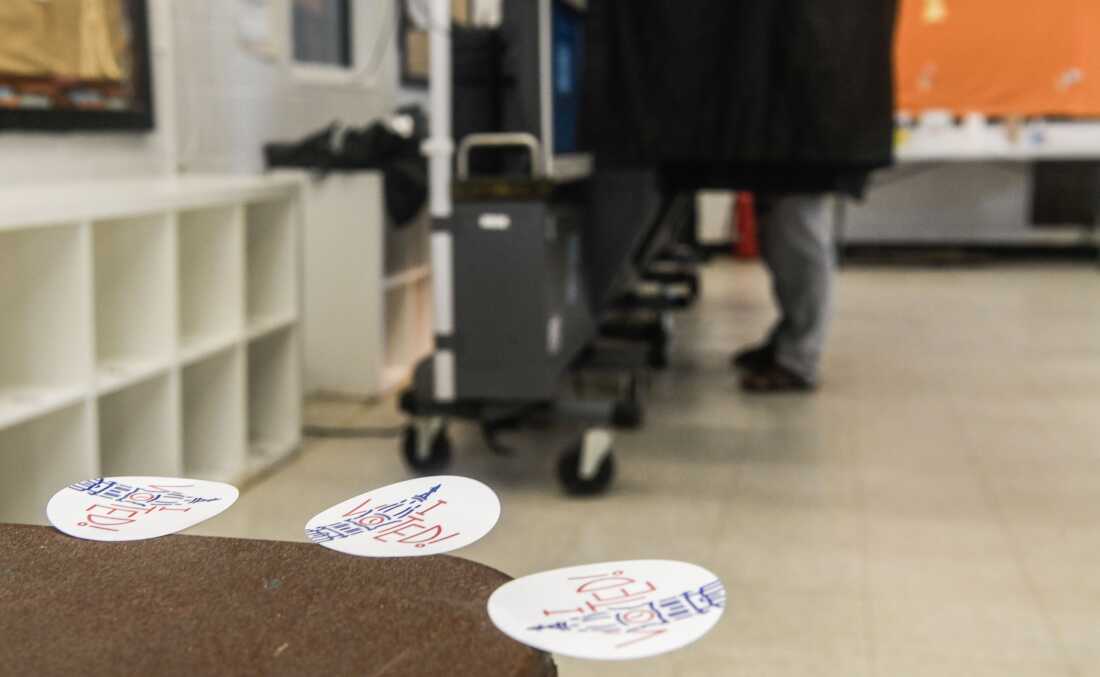
As voters cast their ballots in Pennsylvania’s primary, discussions about the current state of political primaries in the United States highlight a growing concern: polarization in Congress. Lawmakers point to closed, single-party primaries as a critical factor in restricting voter choice and influencing politicians to prioritize party loyalty over sensible policy-making.
The Democrats and Republicans have increasingly shaped outcomes before voters even have a chance,
says John Opdycke of Open Primaries, stressing this trend’s negative impact. In states like Indiana and Kentucky, Trump-supporting voters have ousted lawmakers perceived as noncompliant.
Impact of Redistricting
The mid-decade redistricting initiated by Trump has diminished competitive districts, with over 90% deemed safe for one party. This means primary elections often determine congressional seats, as these contests see lower voter turnout and typically exclude independents.
Calls for Reform
Figures like Nick Troiano of Unite America seek nonpartisan primaries to mitigate polarization. He notes that current primary systems threaten independent-minded officials, leaving them vulnerable to extreme challengers from within their own parties.
Rep. Brian Fitzpatrick from Pennsylvania, representing a competitive district, voices criticism of the closed primary process. He argues it prevents independent alignment, creating a hostile environment for compromise, as politicians fear losing to more extreme primary opponents.
Examples of the Impact
In Louisiana, a shift from open to semi-closed primaries was crucial in Sen. Bill Cassidy’s defeat. The new system limited voter participation and blocked potential crossover support. Cassidy views this as disenfranchisement and stresses the harm of such systems.
In contrast, Alaska’s open primary system, adopted before Sen. Lisa Murkowski’s reelection, helped her retain her seat by promoting broader voter participation. Murkowski emphasizes that such systems reduce party pressure, giving voters more control.
Resistance to Change
Political parties resist opening primaries further, citing control concerns. Opdycke notes a trend toward closer primaries amid limited gerrymandering opportunities, with both parties actively pursuing this change. Meanwhile, attempts to adopt open primaries have met voter resistance in some states.
While proponents assert that open systems encourage moderation, critics argue closed primaries hinder bipartisan cooperation. In a 2022 poll, 86% of Americans voiced dissatisfaction with Congress, largely due to perceived gridlock and lack of compromise.
Efforts like those led by Unite America focus on countering legislation that could further close primaries, aiming to foster a political environment where cooperation and communication across party lines are feasible.