
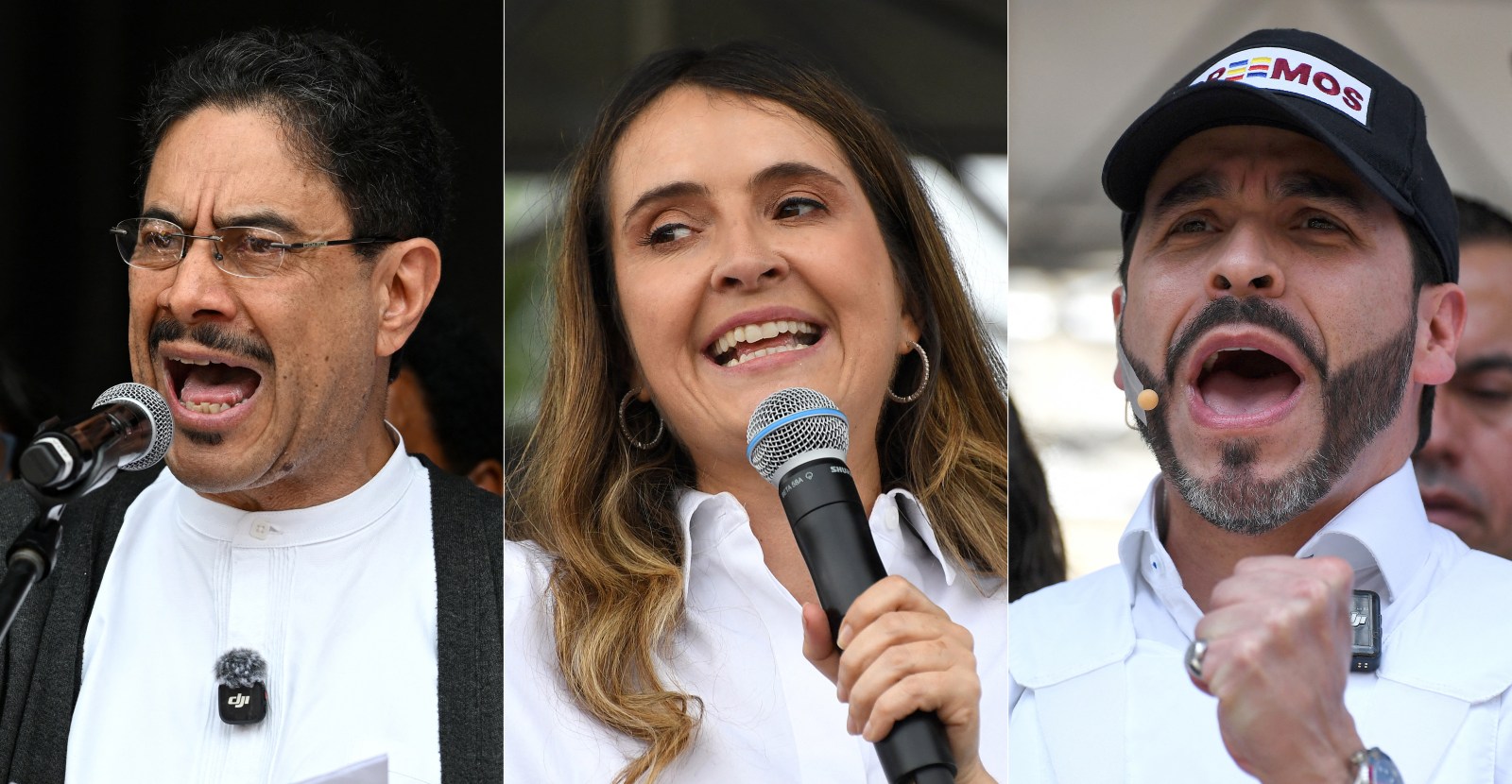
Four years have passed since Gustavo Petro became Colombia’s first left-wing president. Now, voters are set to choose whether to continue his progressive agenda or shift to a hard-right challenger. The main contenders are Ivan Cepeda, Petro’s chosen successor, and Abelardo De La Espriella, a lawyer turned prominent right-wing candidate.
De La Espriella’s campaign uses anti-establishment narratives, extensive social media use, and a focus on security. His style is compared to that of U.S. President Donald Trump and other right-wing populists, emphasizing nationalism and tougher security strategies to appeal to voters.
Colombia Heads to the Polls Deeply Divided
As election day approaches, Colombia remains polarized. Petro exits with a divided approval rating, reflecting nearly equal numbers of supporters and opponents. Gimena Sanchez of the Washington Office on Latin America’s Andes program notes growing disillusionment with traditional parties, creating an opportunity for De La Espriella’s anti-establishment campaign.
De La Espriella’s platform includes smaller government and a security model inspired by El Salvador’s Nayib Bukele. His rhetoric centers on defeating Petro’s movement, aiming for quick solutions rather than detailed policy discussions.
How an Outsider Became a Presidential Contender
Despite starting with minimal support, De La Espriella’s lack of political experience has become a strength, drawing voter interest. In 2025, his poll numbers surged from 1.1% to around 30%, securing his position as a leading candidate. His main opponent, Ivan Cepeda, continues to lead most polls, with projections indicating a runoff is likely.
Even if De La Espriella loses, analysts expect the rise of anti-establishment politics to persist. His success signifies a shift in Colombian politics, enabling a new right-wing populism.
The Role of Crime and Security in the Election
A former corporate lawyer, De La Espriella gained notoriety for representing criminals and paramilitary leaders. Controversy surrounds his legal career, which includes allegations of complicity in avoiding arrests for high-profile figures.
Security remains a top issue for Colombians, as emphasized by former Foreign Affairs Minister Julio Paredes, who noted the ongoing threat of narco-terrorism. De La Espriella’s campaign promises aggressive actions against perceived left-wing threats.
U.S.-Colombia Relations and Cocaine Production
Colombia’s relationship with the United States has deteriorated under Petro. Coca cultivation soared by 10% in 2023, leading to increased cocaine production. The Trump administration reacted by stripping Colombia of its drug certification, attributing the surge to Petro’s policies.
Both De La Espriella and Valencia advocate for restoring ties with the U.S., focusing on security and organized crime. Former ambassador Kevin Whitaker noted that issues such as drug policy and political divisions weakened the bilateral relationship.
Human Rights Concerns and Potential Risks
Critics warn that a hard-right security strategy could lead to human rights violations. Historical precedents, like the “false positives” scandal, highlight the risks of military actions without adequate oversight.
Sanchez of WOLA argues that deeper issues, such as inequality and lack of opportunities, drive violence and illicit economies. Mass incarceration and military crackdowns are unlikely to solve these problems alone. Basic services and protection must be provided to larger regions in Colombia to address underlying challenges.
Colombia’s Foreign Policy Challenges
The upcoming election will impact Colombia’s relationship with Venezuela. With a shared border of 1,400 miles, collaboration on drug trafficking and migration is crucial. The dynamic heavily depends on U.S.-Venezuela relations.
Julio Paredes highlighted the need for Colombia to diversify its foreign policy and reduce reliance on the U.S., given the changing nature of their partnership. Sandra Borda adds that ideological ties to the U.S. influence decisions.