
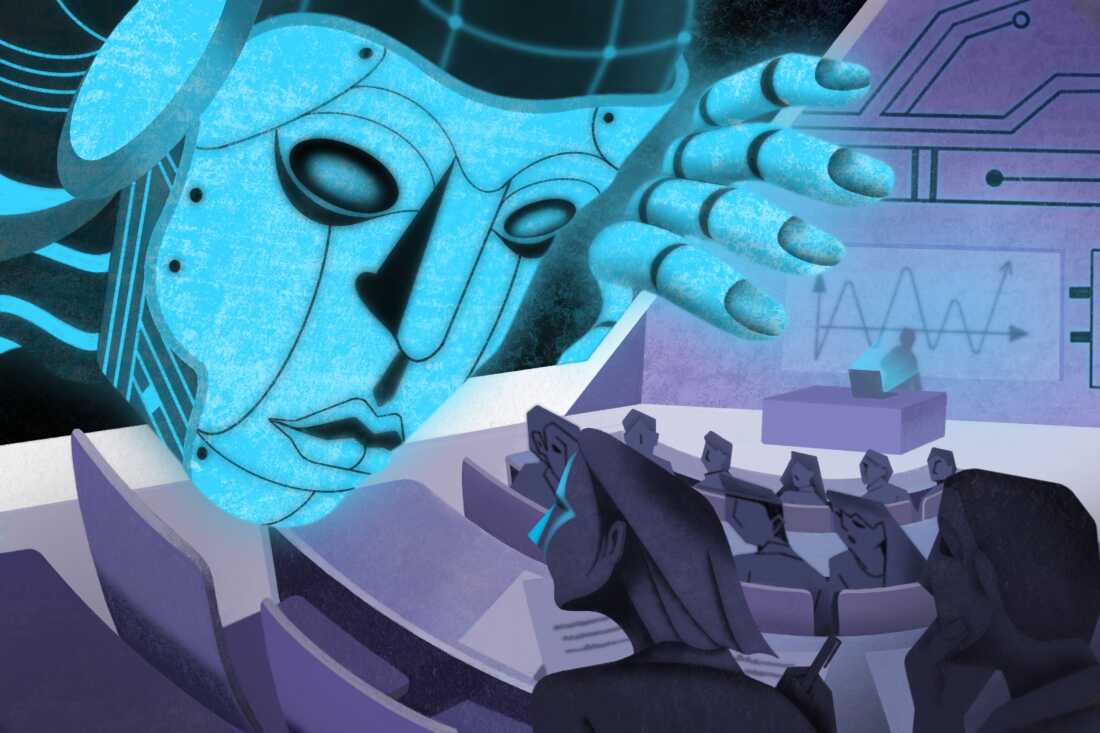
The California State University (CSU) system plans to become the first major educational institution powered by artificial intelligence. It signed a $17 million contract with OpenAI for ChatGPT Edu, a tool designed for educational use. This agreement was extended for $13 million annually for the next three years. “No other university is doing this, not on this scale,” said Chancellor Mildred García during a press event in 2025.
Despite this innovative approach, many students and faculty remain skeptical about AI’s role in education. Concerns include job security, creativity, and environmental impact. While other universities have formed similar partnerships, CSU’s extensive use of AI is unique for its size. The institution’s decision offers a glimpse into potential pros and cons when a university heavily invests in such technology.
Advantages of the Partnership
In December 2024, CSU leaders considered partnering with OpenAI as a significant branding opportunity, according to internal documents. Ed Clark, CSU’s Chief Information Officer, stated the decision was based on offering students and staff innovative resources. OpenAI’s cost-effective tools allow access to over 500,000 members in the university.
The CSU anticipated questions about the no-bid contract with OpenAI, which was termed vital for the success of their AI strategy. AI is not intended to replace faculty but rather to enhance learning. Clark emphasized the necessity of preparing students for a workforce where AI skills are essential.
Leah Belsky from OpenAI stated their objective is to guide students in using AI effectively. Despite their reasoning, Martha Kenney from San Francisco State University argued against embracing AI as a norm in education. Concerns about environmental impact and academic honesty are prevalent. Kenney co-authored a petition against renewing the ChatGPT Edu contract, but CSU maintains that survey results show overall community support for AI tools.
Community Reactions to AI Integration
CSU represents around 470,000 students, awarding nearly half of California’s bachelor’s degrees. A diverse group, mainly Hispanic and first-generation, answered a CSU survey on AI. Over 94,000 participated, highlighting frequent AI use, yet expressing mixed feelings about its overall impact.
- More than 50% of students and around 60% of faculty regularly use AI.
- 65% of students and 59% of faculty are skeptical about AI’s educational benefits.
- 80% of students are uncomfortable submitting AI-generated work.
- 64% of students noted a positive impact of AI on learning, but 35% disagreed.
- 56% of faculty noted improvements in their roles due to AI, though 52% reported negative effects.
The survey highlighted concerns about AI’s impact on creativity, job security, and environment, with majorities of both students and faculty expressing worry.
Student Perspectives: Gains and Concerns
Sejal Daterao, a master’s student in information systems, uses AI to enhance her studies, appreciating the access provided by CSU. However, she remains critical of AI for spreading misinformation and exploiting creative work.
Another student, identified as H, studying computer science, chose to use AI minimally after observing classmates rely on it for assignments. H worries about AI replacing fundamental skill development and highlights environmental costs. Both students recognized AI’s influence but maintained critical awareness of its drawbacks.
Adapting Education to AI
Zach Justus of CSU Chico encourages adapting teaching methods to include AI experimentation. He acknowledges criticisms of CSU’s financial investment, emphasizing equity in access to AI tools. English professor Jennifer Trainor incorporates AI cautiously, requiring students to engage critically with their work’s AI enhancements while fostering original thought.
Some students resist AI, citing ethical reasons and expressing concern over its implications for creativity and employment. Despite varied opinions, AI’s presence in education seems enduring.
This report received support from the Tarbell Center for AI Journalism and the Omidyar Network.