
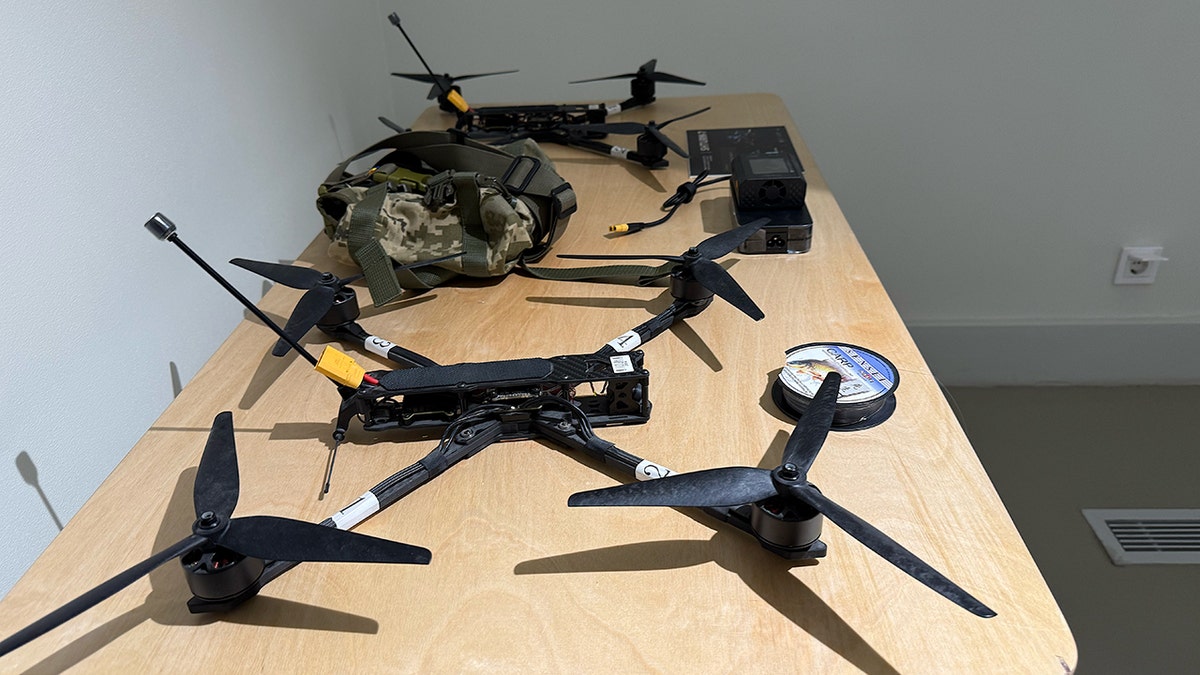
In Lviv, Ukraine, the same Iranian-designed Shahed drones that frequently target the area are now being countered by locally built weapons. Hidden factories in the region produce not only kamikaze drones but also interceptor systems. What started as a rudimentary wartime response has grown into a booming military drone industry.
A Ukrainian official highlighted that Kyiv now leads NATO in battlefield innovation. The rapid development of drone technology has significantly altered frontline conditions. Lviv’s Mayor, Andriy Sadovyi, expressed hope for technological advancements that could deploy 1,000 drones simultaneously soon. He emphasized that collaboration between Ukraine, the United States, Israel, and Europe could facilitate special equipment crucial for victory.
Producing around 1,000 drones weekly, Dmytro, the CEO of a Ukrainian drone manufacturer, described this as a new warfare type characterized by technology. Affordable drones now allow military units to identify and destroy targets like tanks and air defense systems without needing costly missiles or aircraft.
The transformation is evident in western Ukraine, home to defense technology hubs and secret workshops. In one workshop, workers assemble drones with classified components. Vitaliy, a technician, constructs hundreds of drone components daily, viewing drone production as vital to Ukraine’s survival.
Ukraine’s domestic drone production aims to reach over seven million units by 2026, a significant increase from four million in 2025, according to Deputy Defense Minister Serhiy Boyev.
This rapid growth exposes vulnerabilities in traditional Western military strategies. At a defense hub in Lviv, a wide array of interceptor drones and unmanned systems are on display, reflecting Ukraine’s dynamic battlefield advancements.
Volodymyr Cherniuk, co-founder of a Ukrainian defense technology cluster, noted that over 250 tech companies are involved. The drones vary in purpose, from reconnaissance to direct strikes. A heavy-lift drone called “Baba Yaga” has gained notoriety among Russian troops.
Ukrainian efforts also include developing drones specifically to counter Iranian-made Shahed drones used by Russia. These interceptor drones are fast and effective against such threats.
Ukraine’s innovations draw interest from Americans, Canadians, and Europeans who seek insights and data from frontline experiences. Despite ongoing air raid sirens in Lviv, reflecting the persistent threat of Russian drone attacks, Ukraine continues to demonstrate capabilities to strike within Russia.
The drone conflict is not limited to Ukraine and Russia. Drones linked to Ukrainian operations have crossed into Baltic states, affecting NATO territories, and causing political issues. Such incidents highlight how modern drone technologies are influencing warfare beyond their immediate regions.