
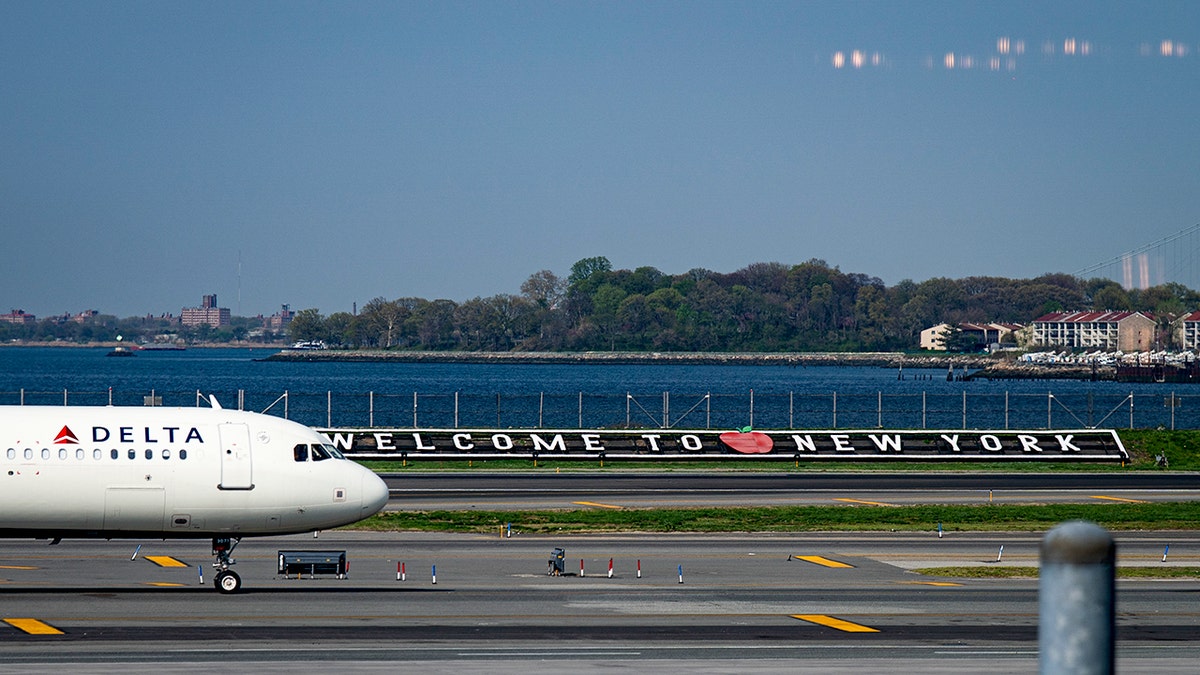
Airports can be confusing when you are rushing to different locations, like the gate, baggage claim, or a lounge. Terminal B at LaGuardia Airport aims to ease this stress with Bridget, a life-sized AI hologram.
Meet the AI Hologram – Bridget
Bridget engages in real conversations and answers questions about gates, shops, baggage claim, and VIP lounges. She provides step-by-step guidance through real-time terminal maps. This innovation addresses the common problem of searching aimlessly in airports.
Bridget is available to aid travelers in English and Spanish. Plans are underway to include more languages. The kiosk also features on-screen subtitles and a physical interface accessible for wheelchair users. More units are expected across the terminal’s concourses.
How Bridget Enhances Traveler Experience
According to LaGuardia Gateway Partners, Bridget is an additional support resource for staff, not a replacement. Suzette Noble, CEO, explains that introducing this AI aligns with their goal of blending innovation with hospitality to meet travelers’ changing needs. The AI provides intelligent, multilingual support for a seamless airport journey.
Functionality of Bridget
Bridget answers common airport queries like directions to gates, shops, lounges, and baggage claim. She provides live mapping and step-by-step guidance. In demonstration videos, Bridget offers turn-by-turn directions and QR codes for travelers to access directions on-the-go. This is particularly beneficial during peak travel times when human staff is stretched thin.
Communication and Technological Integration
David Nussbaum, founder of Proto Hologram, emphasizes that while human communication remains crucial, the hologram enhances the guest experience by expanding support. Both LaGuardia and Miami International Airport, which is also experimenting with holograms, show how airports are adopting AI to streamline passenger flow and reduce confusion.
Potential Impact of AI Holograms in Airports
The effectiveness of these AI systems depends on their deployment. A well-placed hologram answering simple questions can make travel smoother. However, a poorly designed system might be ignored by frustrated travelers.
Glenn E. Smith of Holomedia discusses how airports aim to improve operational efficiency while creating pleasant and personalized travel experiences. The success of such technology will be judged by its ability to provide clear directions and support airport staff without replacing them.
For travelers, a conversational AI like Bridget could be a helpful resource if reliable. It can reduce stress associated with navigating airports and assist those who need accessibility features.
The Future of AI in Airports
Privacy concerns remain, especially with AI systems linked with biometrics and passenger data. Travelers want easy access to human assistance when needed and assurance that personal information is secure. This integration of technology must earn users’ trust by delivering accurate and timely assistance.
Ultimately, the success of AI holograms in airports is determined by their ability to answer questions efficiently and provide meaningful support. The technological enhancement should make the travel experience more convenient but must still prioritize human interaction for complex situations.