
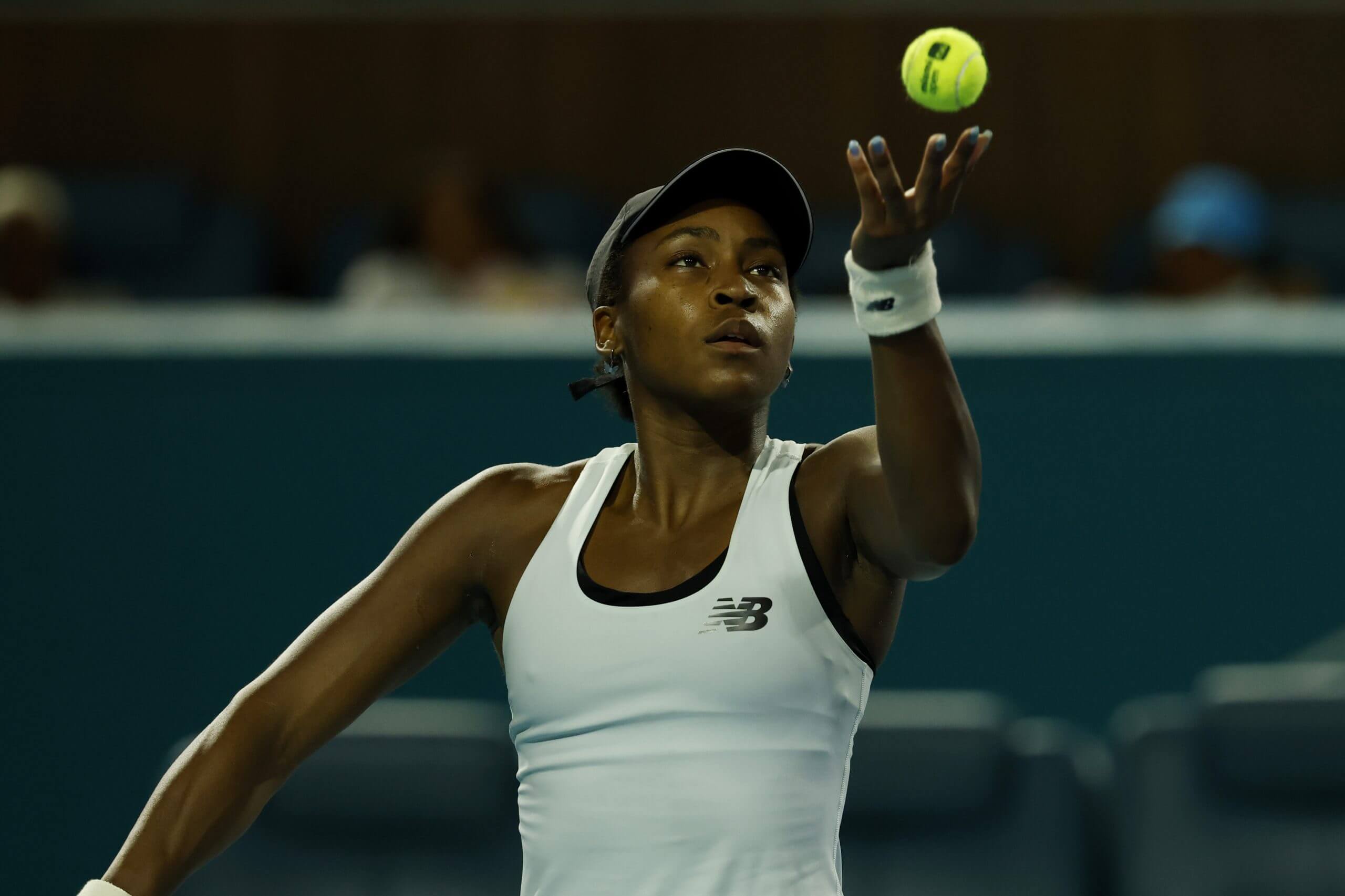
The 2026 French Open commenced with leading tennis players staging a media protest to advocate for increased prize money and other Grand Slam reforms. At the Italian Open, stars like Aryna Sabalenka and Coco Gauff hinted at a possible boycott of major events. However, at Roland Garros, they opted for a different approach. On the opening day, Sunday, May 24, players plan to cut their pre-tournament press conferences short.
A source close to the group, speaking anonymously, detailed that initial plans for a 15-minute cap have been revised. Now, players will spend 10 minutes in news conferences followed by a five-minute video interview with the host broadcaster. This was reported by Bounces. Players will also avoid media day interviews with primary rights holders, TNT Sports and Eurosport, limiting this action to just one day.
A spokesperson from the French Tennis Federation (FFT) expressed regret over the players’ decision, highlighting its impact on media, broadcasters, FFT, and the tennis community. The FFT acknowledges players’ contributions to the tournament’s success and seeks to maintain strong relations. On Friday, May 22, a meeting is scheduled with players’ representatives. FFT is open to discussions on governance, emphasizing players’ welfare and a revised value-sharing model.
Scheduled to join discussions are FFT president Gilles Moretton and French Open tournament director Amélie Mauresmo. Larry Scott, a former ATP Tour player and ex-WTA chief executive advising the group, is also expected in Paris. Wimbledon and US Open meetings are anticipated, though their spokespeople did not immediately comment. The All England Club stated openness to continued dialogue.
Gauff, among others, proposed Grand Slam boycotts. The 15-minute conference time reflects the allocation of 15% of Grand Slam revenue to prize money. Top players demand this rises to 22%, consistent with ATP and WTA events. Comparatively, U.S. team sports like the NFL, NBA, and MLB allocate close to 50% of league revenues to players under collective bargaining, which tennis players, as independent contractors, cannot establish.
For 2026, the French Open prize pool increased by 9.5% to $72.3 million, matching 15% of projected revenue. The Australian Open raised its prize pool by 16% to $75 million, the U.S. Open by 21% to a record $85 million, and Wimbledon offered $72.6 million, each below 22% of revenue.
This protest follows previous attempts to pressure the Grand Slams, including letters demanding changes signed by prominent WTA and ATP players. Besides prize money, players call for enhanced welfare and representation, suggesting a Grand Slam Player Council.
Amid these developments, the French Open’s qualifying event is in progress as main draws begin Sunday. The principal media day is set for Friday, with pending player press sessions over the weekend.
Analysis by senior tennis writer Ava Wallace
Grand Slam tournaments should note tennis players’ capacity for rapid and effective organization. Although a Grand Slam boycott poses challenges, players’ collective action remains impactful.
Walkouts from media day after 15 minutes serve as a potent PR strategy emphasizing the 15% revenue allocation. Opening-day press conference information influences media narratives, broadcaster commentary, tournament content creation, and social media output.
Conference time restrictions will resonate, especially with high-profile players. Players refusing additional interviews with broadcast rights holders signal serious commitment. This aspect, affecting media deals, underscores the protest’s significance.
While some players might favor bypassing media day, most recognize personal brand visibility during four annual majors. Agreements for reduced TV exposure, based on “additional” interview definitions, hold importance.
At the Italian Open, few players had heard of boycott plans. Swift progression to this coordinated protest underscores notable impact.