
Even the most capable autocrats cannot rule alone. Leaders in countries like Russia, Iran, and Hungary rely on key figures to maintain power. These include oligarchs, revolutionary guards, judges, and tycoons. However, the bulk of the power consolidation work involves lower- and midlevel individuals, such as military officers, secret police, and bureaucrats.
Traditionally, the focus has been on how elites stay loyal to authoritarian leaders. However, recent research shifts the spotlight to ground-level workers. Previously, it was assumed that these individuals cooperated due to ideological extremism or fear. New research, based on data from Argentina’s Dirty War, suggests career pressures are a significant factor.
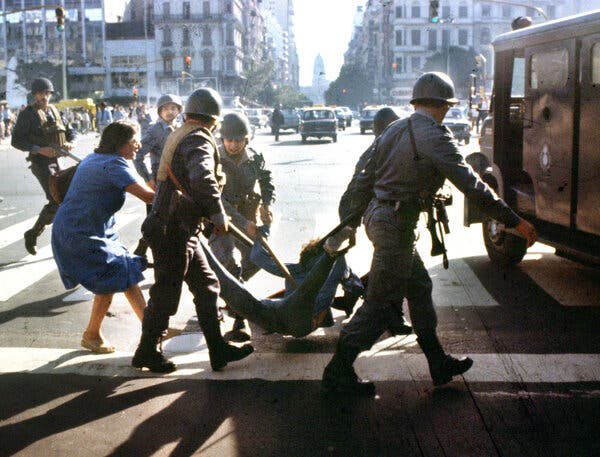
The study indicates that desire for career advancement can influence officials to compromise on ethics and norms. These individuals are not necessarily extremists or victims, but often middling workers seeking progress. The book “Making a Career in Dictatorship” by Adam Scharpf and Christian Glassel examines this phenomenon. They explore Argentina’s military structure during the coups and forced disappearances, highlighting how ‘career-pressured’ individuals found success in the secret police.
These low performers used the secret police to bypass normal military hierarchies. This approach allowed them to achieve promotions otherwise unattainable. The book argues that authoritarian leaders do not need ideological zealots or extreme incentives. Instead, targeting those frustrated and mediocre suffices for power grabs.