
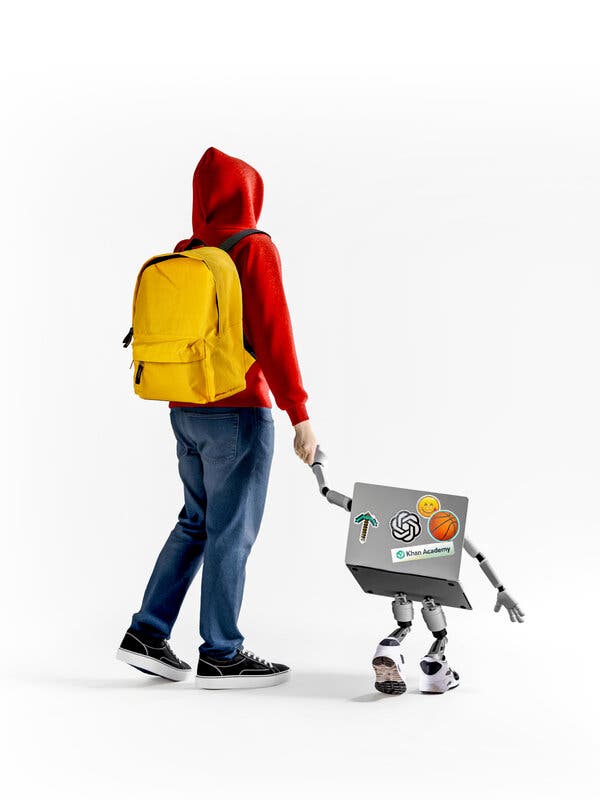
Introduction: Collaboration Between OpenAI and Khan Academy
In early 2021, Sal Khan, founder of Khan Academy, was approached by Greg Brockman, president of OpenAI, for a potential collaboration using ChatGPT. Initially, Khan was not interested due to the limited capabilities of the ChatGPT-3 model at the time, which resembled more of a basic experimental tool.
Khan Academy’s Educational Impact
Since its establishment in 2008, Khan Academy has become a renowned educational platform offering free educational resources globally. With a mission to provide a world-class education to anyone, Khan Academy has reached 190 million users, including nearly 800 school districts in the U.S. utilizing its services for curriculum alignment and instruction.
The Second Approach: Embracing Advanced AI
In the summer of 2022, Brockman contacted Khan again, this time with Sam Altman, OpenAI’s co-founder. This communication was cryptic yet significant, revealing the existence of GPT-4, a more advanced AI model with remarkable capabilities including generating exam questions and explaining answers.
Upon witnessing GPT-4 in action, Khan realized the potential impact it could have on education. Although initial impressions of the model’s perfection were later tempered, Khan acknowledged its potential to revolutionize educational resources by providing interactive and comprehensive learning experiences.
Potential Release and Product Development
With OpenAI planning a launch of GPT-4 in six months, they proposed that Khan Academy release its own AI-driven tutoring bot simultaneously. This strategic collaboration aimed to enhance students’ access to personalized learning via Khan Academy’s platform.