
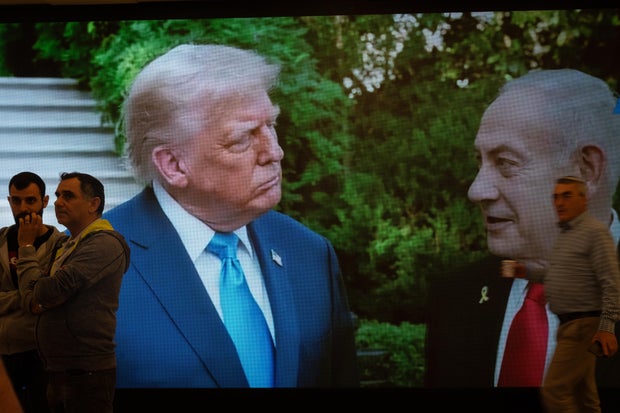
Sources indicate that Israel and the U.S. are contemplating a new military move against Iran. Concerns have grown within Prime Minister Benjamin Netanyahu’s government regarding Iran’s rapid rebuilding of ballistic missile capabilities and efforts to protect its military infrastructure underground.
President Trump has recently speculated on Iran’s interest in developing chemical or biological weapons, though he hasn’t presented evidence for this. Attempts at indirect negotiations between the U.S. and Iran aimed at ceasing hostilities and reopening the Strait of Hormuz have failed. Iran refuses to discuss its nuclear program unless the U.S. meets several key conditions, including lifting the naval blockade.
The Israeli military is on high alert and prepared for potential escalation, favored alongside the U.S. in a joint operation. However, the future of such a collaboration remains uncertain. The recent Republican defeat in the midterm elections and public opposition to the war contribute to the complexity of President Trump’s decision-making process.
The U.S. has a significant military presence in the region, with tens of thousands of troops and two aircraft carriers among the assets. Both Trump and Netanyahu originally initiated military action against Iran nine months ago. The window for renewed joint action may be closing due to potential political shifts.
Netanyahu’s leadership is also at risk following Israel’s recent elections. The Republican loss in Congress will affect war financing, complicating decisions for the Trump administration. Official responses from Israeli and U.S. offices remain limited, but preparations indicate an offensive could commence within days if ordered.
Trump has suggested Iran may want to end the conflict but without meeting Tehran’s demands, including halting all Middle Eastern hostilities and lifting U.S. port blockades. Regarding biological and chemical weapons, Trump accused Iran of developing these, but Iran’s Foreign Ministry compared these claims to past false allegations against Iraq.
While Trump hints at future military actions, he also expresses a desire for a lasting deal. Meeting with Israeli security officials and the head of Mossad emphasizes the concern over Iran’s activities. The presence of Mossad at these meetings suggests a deep focus on Iran, reaffirmed by talks between U.S. officials and Israeli counterparts in Washington.
If Israel decides to pursue further conflict with Iran, it would occur during a sensitive political period for Netanyahu. His calls for a unity government reflect the perceived security threats, primarily Iran’s nuclear ambition. Despite denials of weaponization intentions, Iran’s higher uranium enrichment levels remain a point of tension.
Political rivals suspect Netanyahu may use war to retain power, evidenced by security briefings offered to competitors. Trump’s support for Netanyahu indicates preference for continued partnership in any future military effort.
The situation intensifies amid ongoing exchanges of fire between Iran and the U.S., with both sides targeting strategic locations. Iran’s military readiness signals preparedness for renewed conflict and potential retaliatory expansions, including targeting broader U.S. and allied infrastructure.