
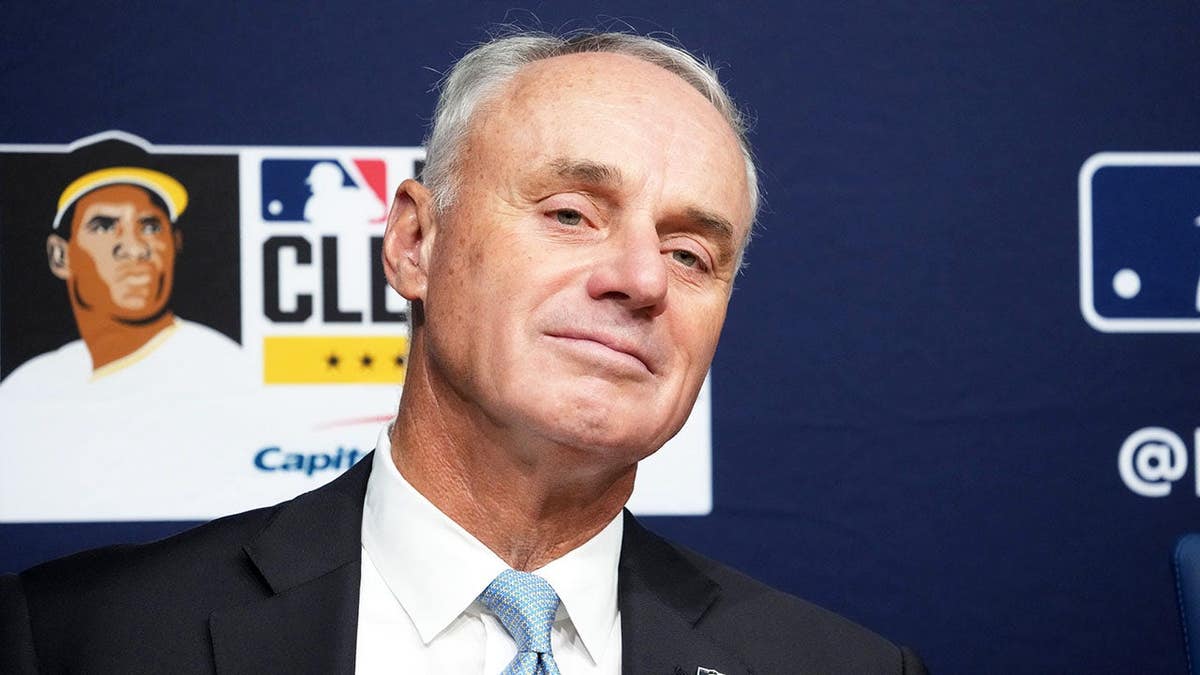
Major League Baseball (MLB) is on the brink of a significant work stoppage. The current Collective Bargaining Agreement between MLB team owners and the MLB Players Association will expire soon. Despite ongoing discussions, both parties remain far from reaching an agreement.
The core issue is the potential introduction of a salary cap, a concept resisted by MLB for years, unlike the NBA and NFL. Some fans support the owners’ perspective, thinking a cap might create a more competitive league. However, evidence suggests this belief might be misguided.
Recent Developments
Rob Manfred, MLB’s commissioner, has faced scrutiny over the league’s stance. The debate remains heated, as shown in recent World Series outcomes. Small-market teams like the Milwaukee Brewers and Tampa Bay Rays have found success, challenging the notion that money alone drives victories.
Financial Dynamics in MLB
The proposed salary cap introduces a disparity between the cap and a lower spending floor. This setup could allow wealthier teams to dominate player signings, leaving smaller teams with limited competitive options. Yet, as history shows, financial power doesn’t guarantee championship success.
Evaluating Competitive Balance
The Athletic tested the salary cap theory, using regression analysis to evaluate competitive balance. The study concluded that MLB already demonstrates strong competitive balance without a cap. This analysis showed that market size and team payrolls have minimal effect on winning outcomes.
Teams with varying budget sizes have reached the playoffs, with 24 of 30 MLB teams participating during the current agreement period. MLB’s postseason qualification rate surpasses both the NFL and NBA, indicating a level of parity under the current system.
The Role of Market Size and Spending
The analysis highlighted that market size contributes little to team success. Additionally, continued spending has a marginal impact on regular season performance, but not on reaching or succeeding in the postseason. MLB’s randomness in playoffs further supports this conclusion.
Even sustained spending provides only a minor advantage. The Los Angeles Dodgers, with high payrolls, embody this paradox, consistently reaching the playoffs but often falling short of championship victories.
Efforts to push a salary cap appear more geared towards owner profits than truly balancing competition. The claim that significant financial investment leads to championships is overstated.
Conclusion
The notion that a salary cap would resolve MLB’s competitive balance issues lacks substantial support. Spending can aid regular season records slightly but offers no assurance of postseason success. The MLB landscape remains one where talent, timing, and luck significantly influence outcomes, regardless of financial expenditure.