
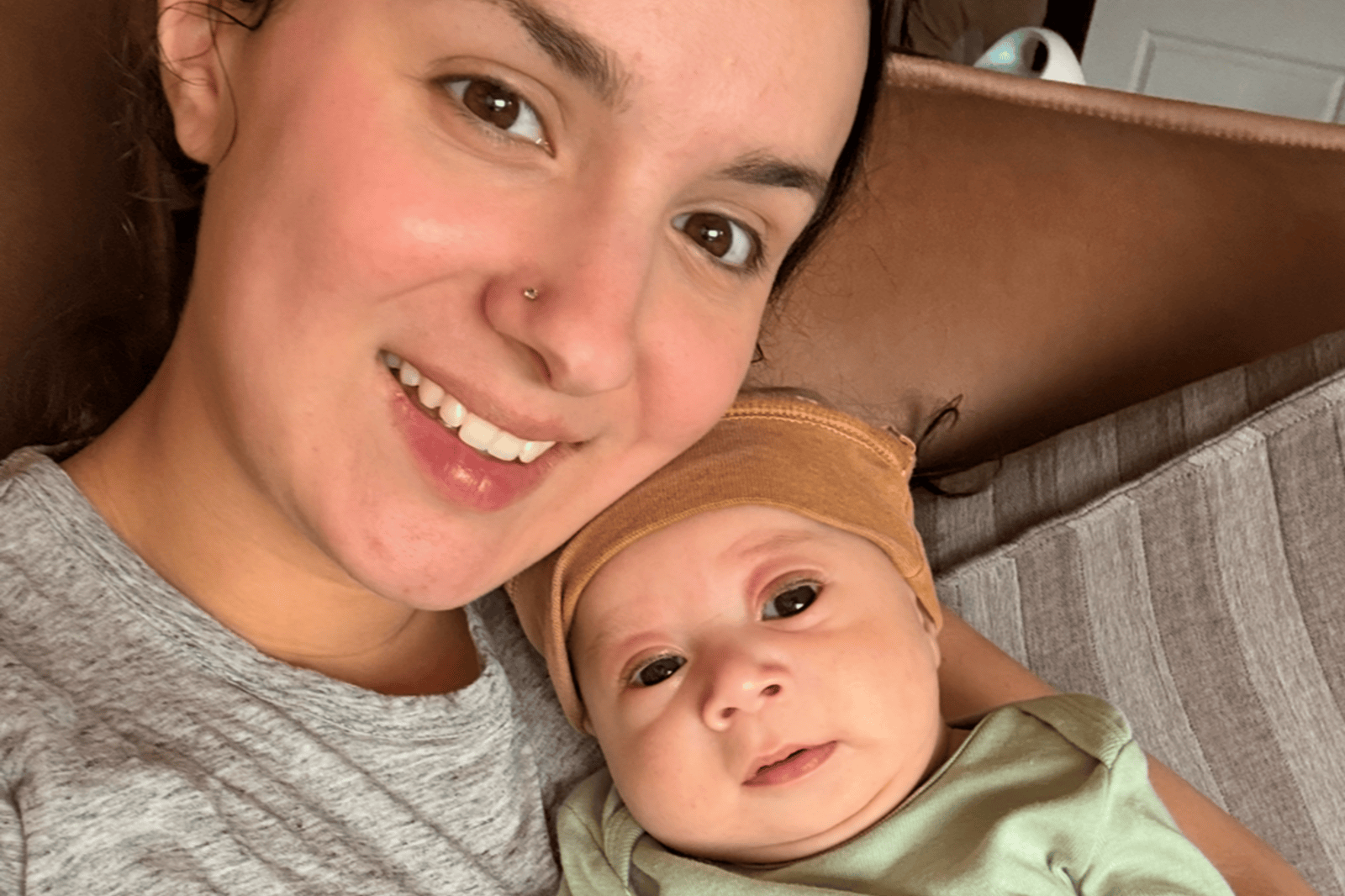
From the very start, Lauren Musso sensed something was amiss with her newborn. Her journey began in Schenectady, New York, when she noticed her baby’s movements shift drastically in utero. Despite her worries, medical professionals dismissed her concerns, citing that her son met the minimum kick counts required.
Lauren’s pregnancy was challenging. She battled severe hyperemesis gravidarum (HG), which left her frequently hospitalized due to intense nausea and vomiting. Desperate for answers, she advocated for an ultrasound, a test not usually given. One provider eventually agreed, suggesting there was a case for it.
Later ultrasounds revealed concerning signs. Her baby, Avery, appeared motionless for extended periods. Yet, medical reassurances persisted, with one specialist estimating a ’99 percent’ chance that Avery would be fine. Those assurances haunted Lauren as her intuition told her otherwise.
A maternal-fetal medicine specialist can help investigate what’s behind decreased fetal movement, particularly when it persists during pregnancy.
Dr. Jeffrey Chapa, an expert in maternal-fetal medicine, explained that reduced fetal movement, while often linked to normal factors, can indicate issues with fetal wellbeing and should be thoroughly evaluated.
After Avery’s birth, he spent a week in neonatal intensive care. Though improvements were noted, he faced challenges in gaining weight and developed laryngomalacia, causing his breathing to sound characteristically squeaky. Other concerning symptoms were often attributed to this condition.
Compounding matters, Avery suffered his first cardiac arrest shortly after discharge, requiring his nanny to perform CPR. Despite Lauren’s pleas for a neurological evaluation, the severity of Avery’s condition became evident only after further testing revealed multicystic encephalomalacia, a severe form of brain damage.
Dr. Chapa highlighted the importance of specialized maternal-fetal care, noting that early detection offers more time for evaluation, although prevention or reversal might not always be possible.
Unfortunately, Avery spent his remaining weeks in the pediatric intensive care unit, mostly on a ventilator. He passed away at just 3½ months old. Musso described the sorrow mixed with peace as she cherished her son’s final moments.
The aftermath brought further anguish. Lauren learned that an autopsy she consented to for answers was not carried out. Avery’s body was transferred to a funeral home, leaving the family without explanations and a sense of broken trust.
Despite the loss, Lauren described Avery, affectionately known as ‘Ave the Brave,’ as an enduring symbol of love amidst hardship. His life, although brief, left a lasting imprint on his family.
Lauren continues to advocate for parents’ voices to be heard and calls for healthcare professionals to take concerns seriously. Emphasizing the significance of compassionate care, she urges that warning signs should never be ignored.
Learn to sit with a grieving parent in the darkness without trying to fix the unfixable, and never be afraid to speak their child’s name.
The medical center involved in Avery’s care opted not to comment, citing patient confidentiality.