
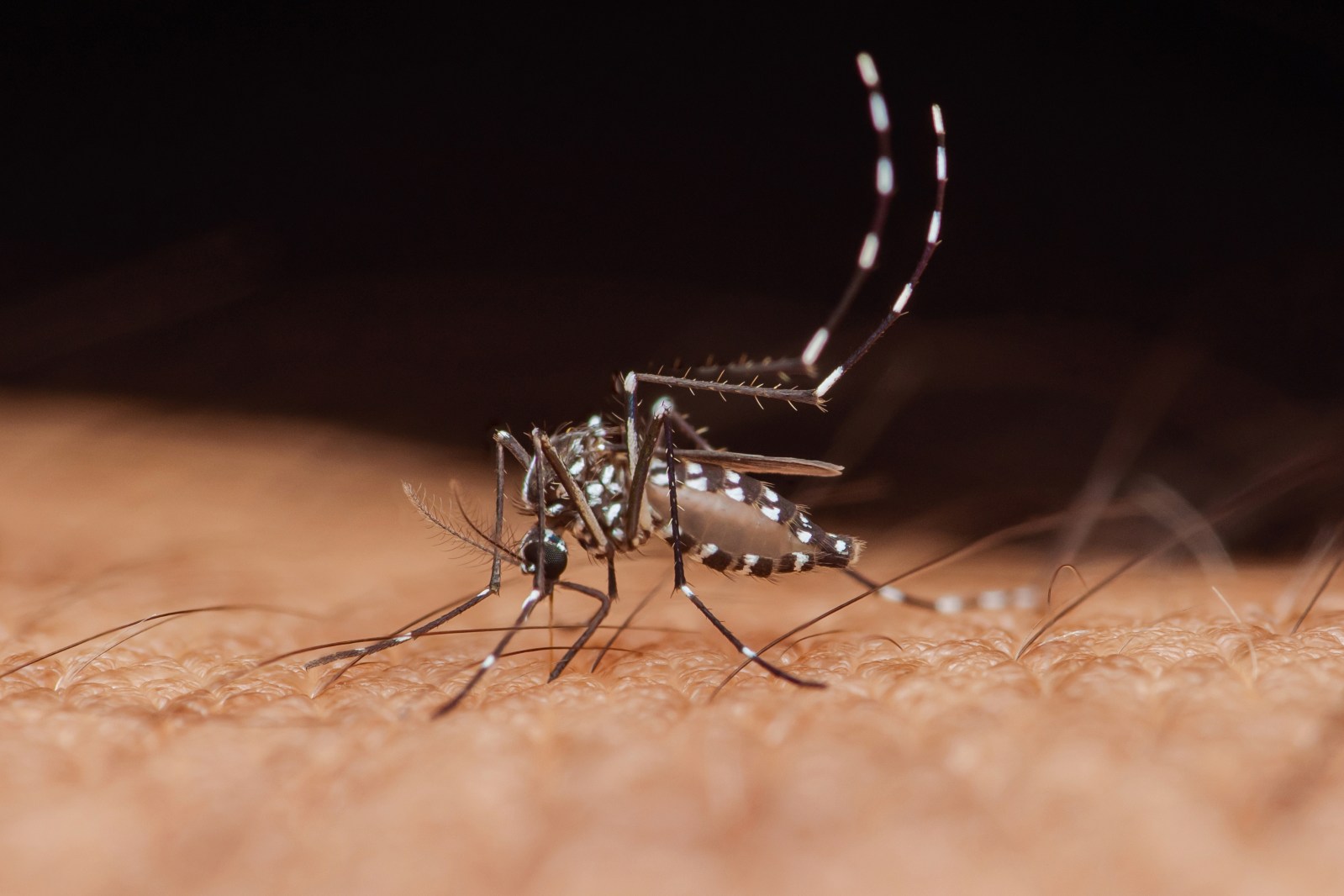
The West Nile virus has been detected in 32 states during the peak summer months, according to the U.S. Centers for Disease Control and Prevention (CDC). As of August 18, the CDC’s ArboNET system recorded 222 human cases, including 156 neuroinvasive cases affecting the nervous system. Their map also shows non-human activity in mosquitoes and birds, suggesting the virus spreads further.
Rising Concerns and Human Impact
Health officials note a peak in West Nile virus activity in late summer and early fall. While many people don’t show symptoms, severe cases can result in hospitalization or death. At least eight deaths have been reported, including five in Arizona and three in California.
Geographic Reporting and Risk
CDC data shows Arizona leads with 76 cases, followed by Texas with 31, and California with 29. Eighteen states, mainly in the Midwest, Mid-Atlantic, and Northeast, plus Alaska and Hawaii, have not reported cases.
Preventative Measures
Without a vaccine or specific treatment, prevention is vital. The CDC advises using EPA-registered insect repellents and wearing long-sleeved clothing. Fixing window and door screens is crucial. Reducing standing water in items like flower pots, buckets, and gutters can limit mosquito breeding.
Symptoms of West Nile Virus
Most infected individuals remain asymptomatic. Around 20 percent experience mild symptoms, including fever, headache, and body aches. Severe disease affecting the central nervous system is rare but serious, requiring hospitalization. It includes symptoms like high fever, confusion, and paralysis.
Understanding the Risks
Infection can occur anywhere in the U.S. Mosquitoes and birds play a role in transmission. Older adults have a higher risk of severe complications, as do those with weakened immune systems or chronic conditions.
Regional Patterns and Transmission
Outbreaks are influenced by geography, climate, and mosquito ecology. The West Nile virus is maintained in a transmission cycle between birds and mosquitoes of the Culex genus. Warm weather increases the risk by accelerating mosquito reproduction.
Treatment Approaches
There is no specific treatment for West Nile virus. Supportive care includes rest, hydration, and symptom management. Severe cases may need hospitalization for fluids and respiratory support. Neuroinvasive disease recovery can take months, with potential lasting effects.
Health officials urge residents to remain cautious as the mosquito season persists and favorable conditions for virus spread continue.