
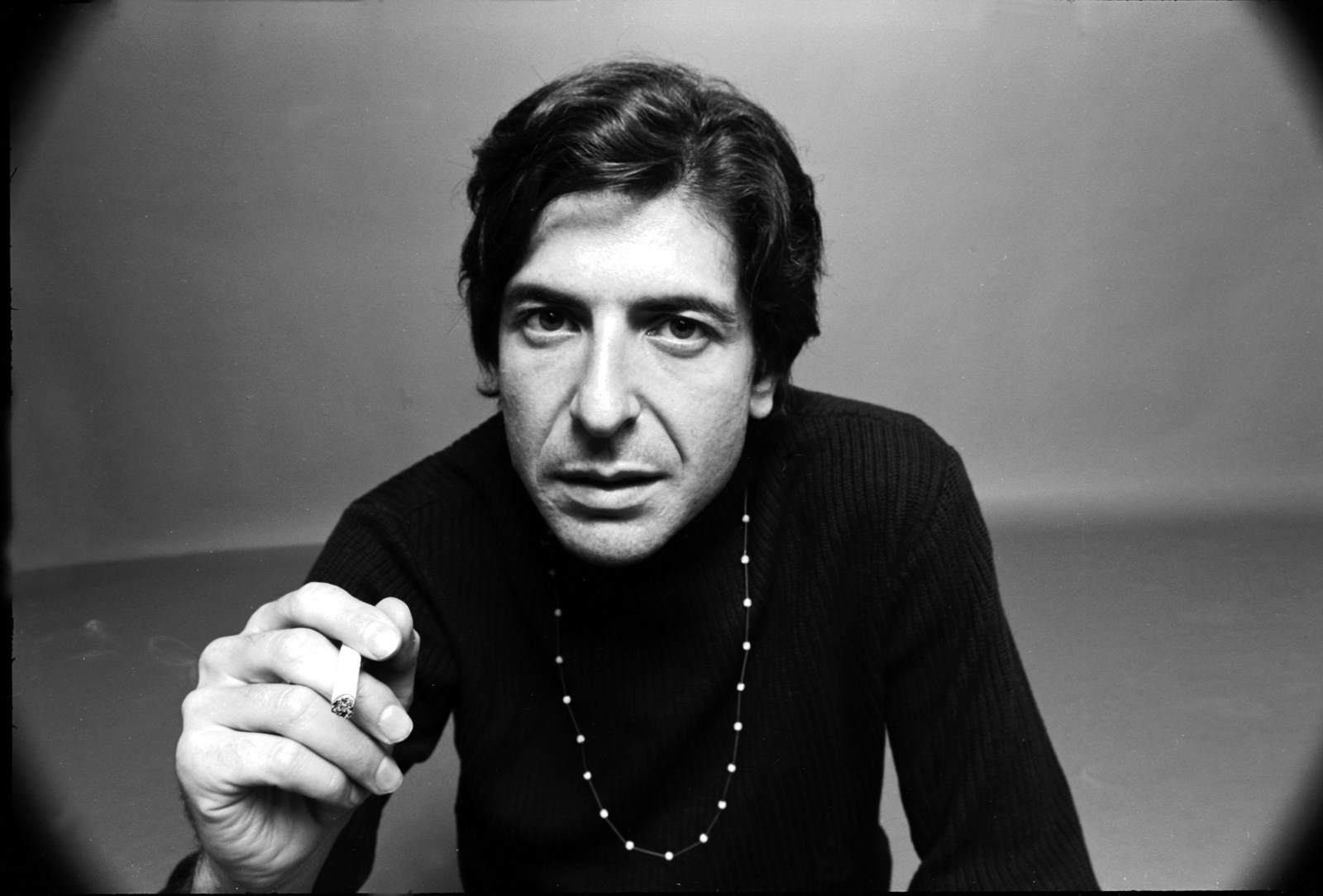
Adam Cohen performs Leonard Cohen’s songs at Meridian Hall, Toronto. He carries his father’s voice and body type. The show, ‘Everybody Knows,’ marks the tenth anniversary of Leonard’s passing.
Leonard Cohen died in his sleep on November 7, 2016, at 82. The news emerged alongside Donald Trump’s election as President. He released his final album, ‘You Want It Darker,’ weeks before his death. Discussing mortality, Cohen once stated, ‘I am ready to die,’ but later said he intended to live forever.
Cohen’s work often avoided clear political stances, instead leaving behind songs addressing themes of human struggle and morality. As the Trump era unfolded, listeners found new meaning in Cohen’s music.
His song ‘The Future,’ from 1992, was inspired by events like the L.A. riots. The lyrics predicted world chaos, indicating a breakdown in moral order. Social media and AI weren’t present, but Cohen anticipated greater upheaval. Trump’s expression of power resonated with some themes from Cohen’s work.
‘The Future’ resonated with Trump’s stance on moral collapse. Trump’s comments on loyalty, regardless of action, echoed Cohen’s depiction of differing moral applications.
Cohen also explored personal uncertainty and extremism. ‘First We Take Manhattan’ expressed a fascination with extreme ideologies, presenting them as seductive yet dangerous.
‘Everybody Knows’ addressed AIDS as a cultural plague, expanding to alienation and inequality. These themes resurfaced during Trump’s presidency and the Covid-19 pandemic.
Cohen foresaw the erosion of truth, a precursor to today’s ‘fake news.’ Modern artists now vocalize political positions, contrasting with Cohen’s reluctance to endorse explicitly.
‘Hallelujah’ became a point of contention between Trump and Cohen’s estate. The Republican National Convention used it without approval. The estate disapproved of its use but the song remains influential.
Yet Cohen’s legacy isn’t solely somber. From ‘Anthem,’ he famously noted, ‘The crack is where the light gets in,’ suggesting optimism amid despair. He was described as a ‘closet optimist,’ believing in personal responsibility over fatalism.
His songs endure not as prophecies but reminders of uncertainty. Amid extremes, they encourage humility and introspection. People may believe they know the future, but Cohen’s work invites us to embrace what we may not know.