
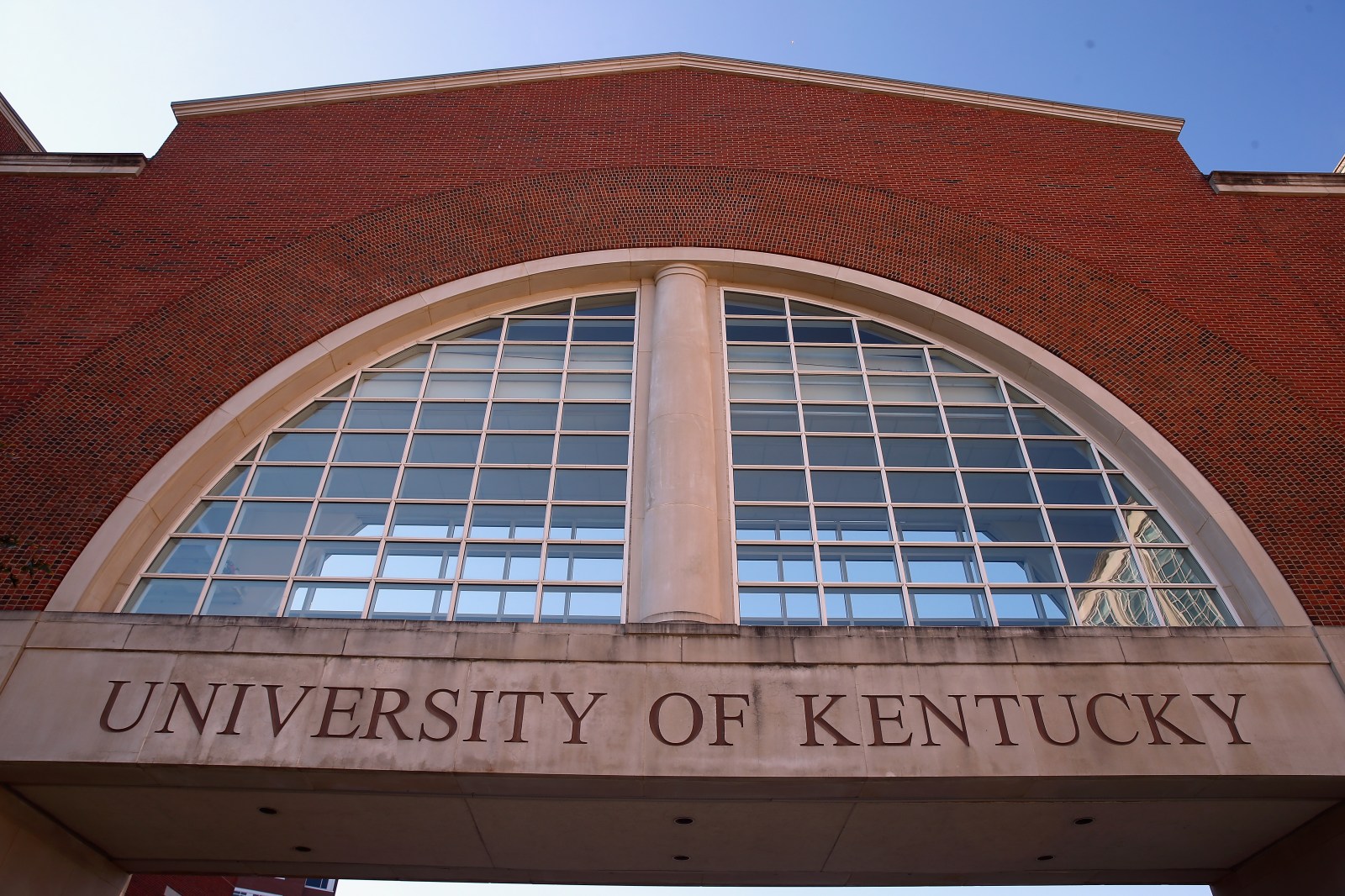
David Durman, a 45-year-old research administrator at the University of Kentucky, successfully obtained a religious accommodation to avoid using artificial intelligence at work. He argued that AI conflicts with his humanist beliefs. Although the university encouraged employees to use AI, Durman was not mandated to do so. He sought an accommodation preemptively, fearing future mandatory use.
The American Humanist Association (AHA) assisted Durman with his request, which was approved on September 25. This approval marked a significant moment as it was the first known case of a workplace AI accommodation granted to a humanist. AHA highlighted that this case could test how current workplace religious protections apply in scenarios involving AI technology.
Durman has practiced humanism for about 30 years. His beliefs focus on human well-being, decision-making, and responsibility. His primary concern is around generative AI, as he differentiates it from simpler technology like autocorrect. He believes generative AI undermines individual cognitive ability and decision-making. Durman also cited concerns about AI’s impact on employment and creativity.
“Promoting human well-being is vital to me as a humanist, and our capacity for independent thinking is worth safeguarding,” said Durman.
Durman’s accommodation request was reviewed and approved in about a month, which he described as a straightforward process. However, the approval does not exempt him entirely from all AI interactions. He may still need to attend meetings involving AI and collaborate with coworkers using the technology.
The University of Kentucky is expanding AI use through its Commonwealth AI Transdisciplinary Strategy (CATS AI), a framework covering education, research, healthcare, and operations. By June, over 2,000 employees had connected with AI learning opportunities as the university aimed for an AI-ready workforce. Despite this expansion, Durman’s job did not require him to personally engage with AI tools.
Requests for religious accommodations at the university follow an individual assessment process. Jay Blanton, spokesperson for the university, emphasized that accommodations are considered based on the employee’s sincerely held beliefs and job responsibilities.
Understanding Religious Exemptions at Work
Title VII of the Civil Rights Act of 1964 protects workers from religious discrimination. It requires employers to accommodate employees’ religious practices unless it results in undue hardship. This protection also extends to those with sincerely held ethical or moral beliefs, as recognized by the U.S. Equal Employment Opportunity Commission (EEOC).
The Supreme Court clarified in Groff v. DeJoy that an employer must show substantial increased costs to establish undue hardship. Durman’s case showed the university could meet his accommodation without such hardship, according to the AHA.
Implications for Other Faiths
Durman’s case comes amid broader discussions about AI’s implications within religious contexts. Pope Leo XIV has expressed caution regarding AI’s impact on human dignity, advocating for its use to support, not dominate, human interests. However, he has not advised Catholics to entirely reject AI. Under Title VII, accommodation would depend on individual beliefs and the subsequent impact on employers.
Michael Naughton from the University of St. Thomas countered any suggestion of a Catholic right to refuse AI, noting the pope’s focus on whether AI enhances or diminishes human agency.
What Is Humanism?
Humanism is a worldview emphasizing reason, ethics, and human flourishing. Durman’s resistance to AI relates to his moral responsibility to think independently. The AHA states that opposition to AI is not inherently part of humanism. Humanists hold diverse opinions about AI, allowing individuals to follow their conscience. Durman has noted that his stance is personal and not prescriptive for others.