
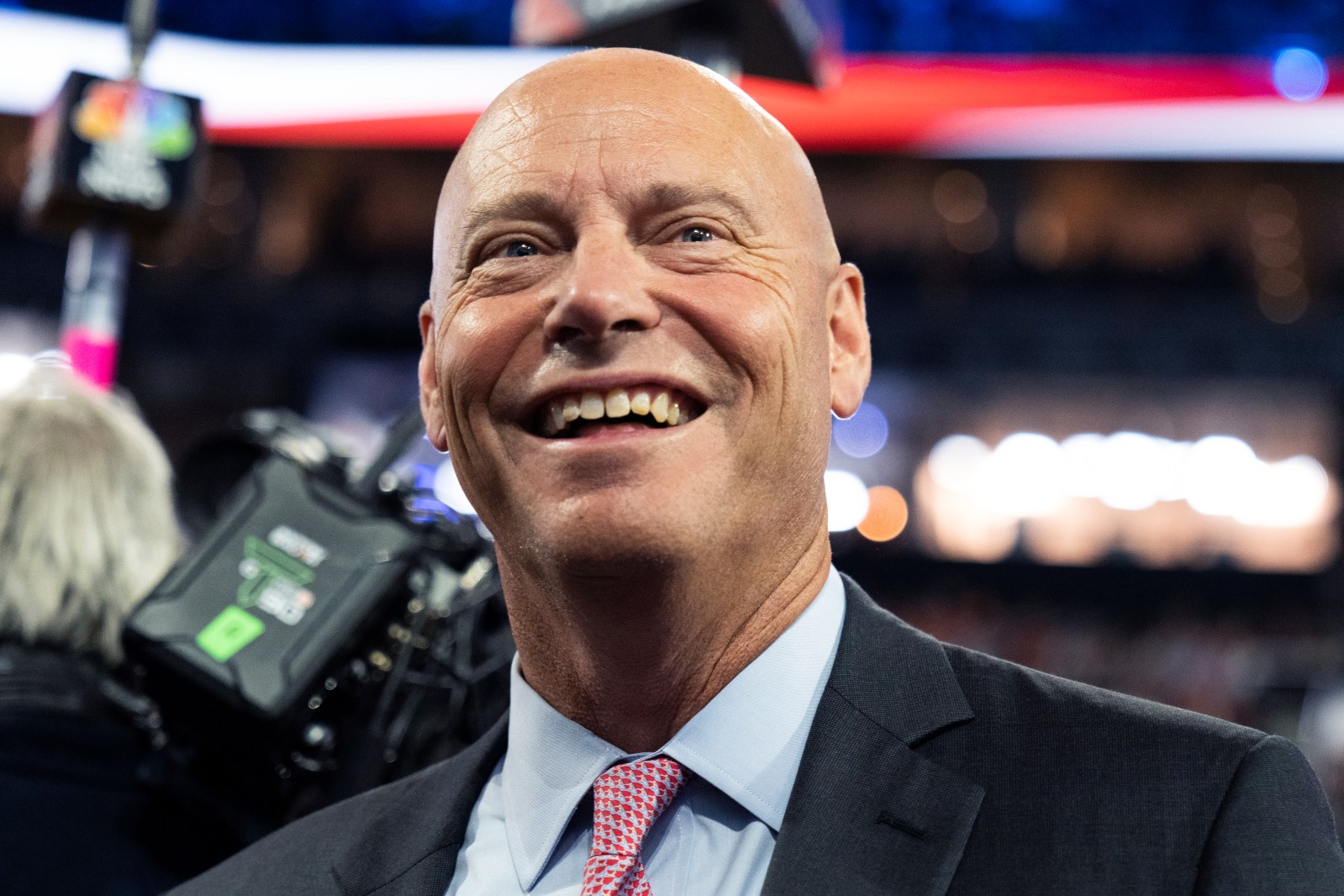
Marc Short, a former official in the Trump administration, has expressed concerns about the Republican Party’s position heading into next week’s midterm elections. He describes the situation as being in ‘triage’ mode due to rising challenges in maintaining their congressional majorities.
In a conversation on CNN, Short, who served as White House director of legislative affairs and later as Mike Pence’s chief of staff, highlighted the tough political climate confronting Republican candidates. He pointed to issues like inflation and economic concerns, coupled with allegations of corruption around the White House, as factors that could dampen enthusiasm among GOP supporters.
Senior Republicans share these concerns, as echoed by House Majority Whip Tom Emmer. Earlier this month, Emmer noted that the party is scaling back on its electoral ambitions and concentrating its campaign resources on select areas, as holding onto their majority becomes more challenging.
It really is a business, and you’re looking at a balance sheet, and you’re putting your money where you’re gonna get your biggest return.Emmer told Axios.
Republican campaign strategies are shifting from offense to defense. This includes withdrawing from some competitive races to focus on protecting seats in states traditionally leaning Republican, such as Kansas. Here, Senator Roger Marshall faces a challenge from Democrat Adam Hamilton.
The GOP approach is now more about political damage control, focusing on safeguarding potentially vulnerable candidates and prioritizing efforts to curb Democratic advancement.
Concerns Over Republican Enthusiasm
Short has stated that the Trump administration’s economic track record and conflict of interest allegations are complicating Republican efforts to energize voters. He points out that these challenges place Republicans in ‘triage’ mode before the midterms.
During a NewsNation interview, Short criticized the White House policies for not addressing inflation effectively. He mentioned that many voters find their wages lagging behind increasing prices. Additionally, he mentioned an ‘avalanche of corruption stories’ affecting Republican enthusiasm.
Short believes this situation is detrimental, as Trump’s campaign promise heavily focused on challenging political corruption in Washington.
Republican Strategy Shift
The issues highlighted by Short are apparent in the GOP’s strategic pivot, concentrating on defending previously secure seats. In North Carolina, Republicans have reduced spending, with Democratic former Governor Roy Cooper in a strong position to challenge a GOP seat. Resources have been redirected to South Carolina, where Senator Darline Graham faces Democrat Annie Andrews in an unexpected contest.
Similar tactics are employed in Kansas, where resources are being invested to protect a seat that should be secure, given Trump’s previous wide-margin victory in the state. Polls show Hamilton leading Marshall by 49% to 45%, prompting GOP groups to allocate additional funding.
This defensive maneuver extends beyond the Senate. For example, in Nebraska’s 2nd Congressional District, the Congressional Leadership Fund adjusted its advertising strategy in a bid to manage resources effectively in critical areas like Kentucky, Ohio, and Texas.
Republicans Shift Focus to Progressive Democrats
Republican strategists are attempting to redirect attention toward progressive Democrats to mobilize their base, targeting figures like Congresswoman Alexandria Ocasio-Cortez and Michigan Senate candidate Abdul El-Sayed.
Short suggested that by emphasizing opposition to progressive Democrats, Republicans might attract voters disillusioned with their choices.
If you can’t figure out a way to bring Republicans home right now because you’re not excited about Ken Paxton, you might be excited to oppose AOC.Short said.
He indicated that opposing prominent progressive Democrats could energize Republican voters beyond state lines.