
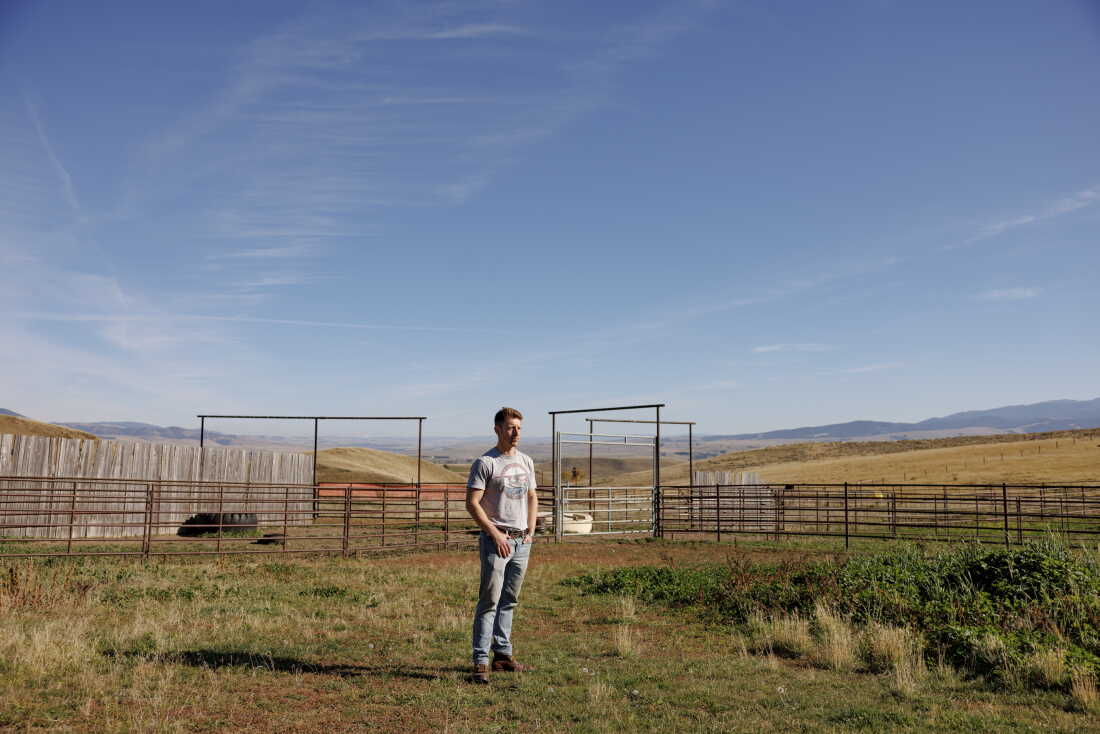
In Western Montana, political dynamics are shifting as voters express discontent. An unconventional group of Democratic candidates sees an opportunity in the upcoming midterms. Sam Forstag, a former U.S. Forest Service smokejumper, aims to win a House seat in the state’s 1st congressional district by appealing directly to economic concerns.
Forstag, who once earned $19 an hour while working as a federal smokejumper, speaks candidly about the economic pressures Montanans face. He argues that both political parties are leaving working people behind. When President Trump cut nearly 400 Forest Service jobs in Montana, Forstag attempted to reach his Republican congressman, Ryan Zinke, but received no response.
Voters in Montana’s district, from Yellowstone to Glacier National Parks, face challenges with a housing market ranked among the least affordable in the nation. The district is now classified as a toss-up, showing the potential for political shifts.
Former Montana Senator Jon Tester reflects on the changing political landscape. Historically, Montana elected both Republicans and Democrats. However, populist rhetoric helped Trump succeed in 2016. Tester notes that although he once benefited from split-ticket voters, he lost his reelection bid in 2024.
Sam Forstag addresses concerns from farmers and ranchers in Granite County, suggesting that politicians haven’t brought real change in years. He emphasizes the need to address economic challenges genuinely, rather than dismissing them as buzzwords.
Prairie populism resonates with certain candidates, including Forstag, who has garnered support from both progressive and moderate wings of the Democratic Party. Georgetown University professor Michael Kazin explains that populist language can unify voters with differing views, appealing to those dissatisfied with the status quo.
In other states, candidates are advocating for issues affecting everyday citizens. For instance, Iowa Senate candidate Josh Turek identifies as a “common sense prairie populist,” focusing on battling corporate influence. Similarly, Kansas Democratic Senate candidate Rev. Adam Hamilton uses populist themes to connect with voters.
Forstag continues focusing on economic issues, attempting to connect with voters who are frustrated with traditional political approaches. Meanwhile, his opponent, Republican Aaron Flint, campaigns on restoring the Montana dream. Flint, a conservative radio host, warns of potential tax hikes if Democrats gain power.
Voter Nicholas Babcock expresses disillusionment with Trump’s presidency and is open to changing his political stance. He appreciates Forstag’s understanding of working-class struggles and hopes for genuine political change.
As the midterms approach, both Democratic and Republican candidates must address voter concerns about the economy and the perceived lack of effective governance. The outcome may redefine political strategies in traditionally red states.