
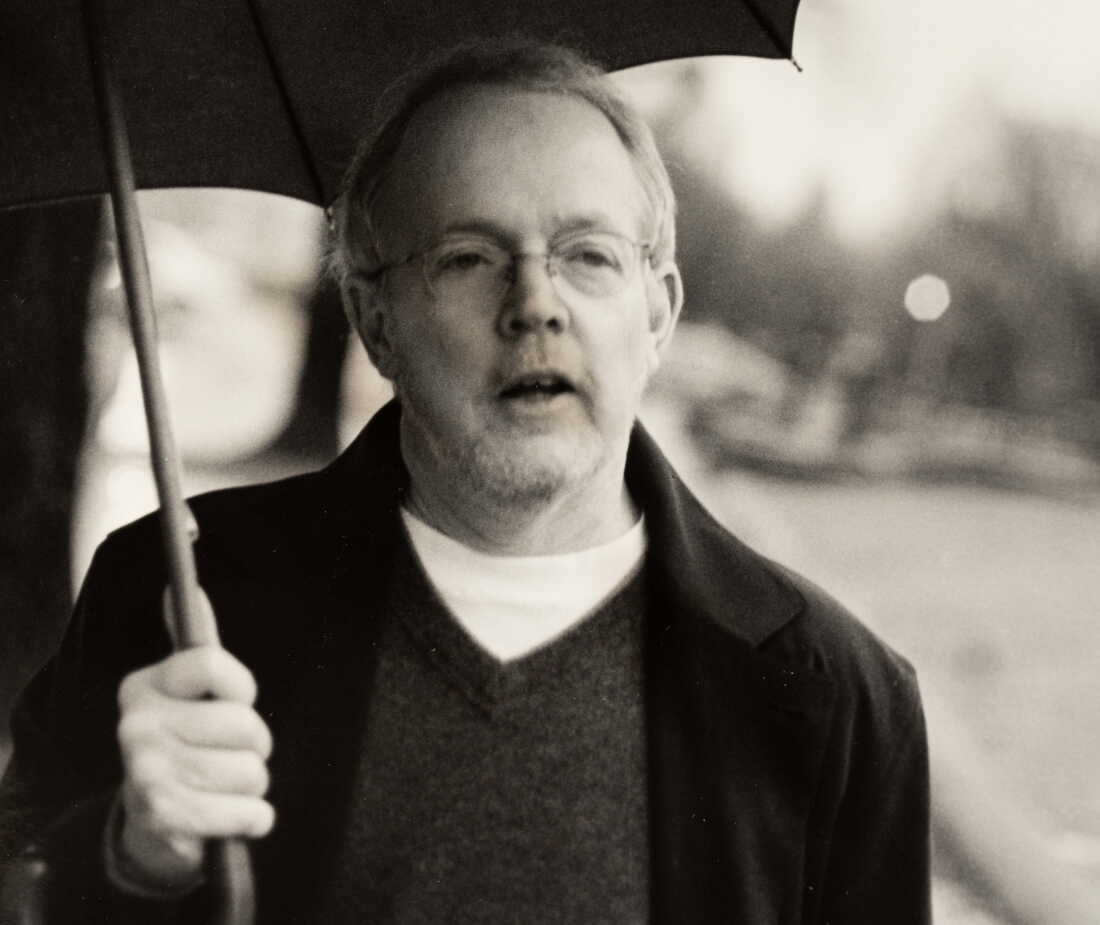
Noah Adams, known for his soft voice and vivid storytelling, defined NPR’s ‘All Things Considered’ for 18 years. His death was announced by his wife, Neenah Ellis, who said Adams passed away at home in Yellow Springs, Ohio, at 84. His tenure was marked by guiding listeners through significant events, such as Ronald Reagan’s electoral victories, the fall of the Berlin Wall, and the September 11 attacks.
Colleagues remember Adams for his journalistic talents that shone through softer, detailed features. He traveled across the country, interacting with people from small towns and weaving those encounters into compelling narratives. Melissa Block, a producer who worked alongside Adams, highlighted his observational skills and ability to capture the essence of places or people in his writing.
“He was always observing,” Block noted. “His reports were vivid and complete, despite his hurried shorthand notes.”
Adams, originally from Kentucky, joined NPR in the mid-1970s. Prior to that, he worked various jobs, including construction and car sales, before transitioning into radio in 1972 in Kentucky and then joining NPR in 1975. He was revered for looking beyond Washington politics, focusing instead on authentic, heartfelt storytelling.
Adams was fond of incorporating animals, especially dogs, into his interviews. In a memorable 1987 interview with an eight-year-old girl, Betsy Walter, he used this technique to create a comfortable atmosphere. Ira Glass, who worked alongside Adams, learned from his ability to quickly connect with subjects, a skill that influenced Glass’s later work on ‘This American Life’.
In 1987, Adams left ‘All Things Considered’ to start a variety show after Garrison Keillor’s departure from ‘A Prairie Home Companion’. Though unsuccessful, Adams returned to NPR two years later, reuniting with Robert Siegel and Linda Wertheimer. His presence brought a focus on rural America, sharing stories from beyond urban centers.
Adams was also an accomplished writer, authoring books like ‘Piano Lessons’ (1996), ‘Far Appalachia’ (2001), and ‘The Flyers: In Search of Wilbur & Orville Wright’ (2003). His NPR work peaked with the 1981 radio documentary ‘Father Cares: The Last of Jonestown’, where his narration style was uniquely powerful and evocative.
Adams played an integral role in shaping NPR’s identity during its formative years. Melissa Block emphasized his commitment to capturing diverse American narratives, stating, “He paid attention to what’s outside the centers of power.”
Noah Adams left a profound impact on NPR and storytelling, capturing the character of America through his insightful and poignant reports.