
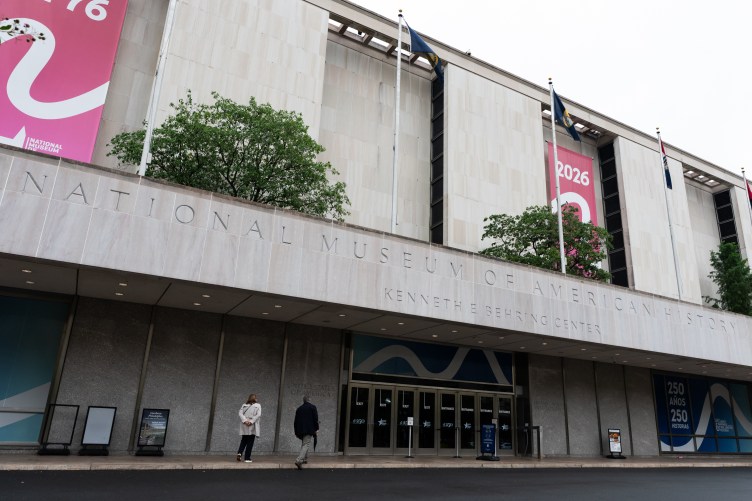
Donald Trump sought to influence the Smithsonian Institution by addressing what he deemed as “ideological capture” within its exhibits. Known for staying above the political fray, the Smithsonian has faced occasional controversies, like the debated Enola Gay exhibit at the National Air and Space Museum. However, the current issues surrounding the National Museum of American History are unprecedented.
Exhibit Controversies and Speculations
The museum’s exhibit “The Electric Dr. Franklin,” opened in 2021, focused on Benjamin Franklin’s contributions to electrical science while acknowledging his early involvement with enslaved people. It speculated that Franklin used enslaved individuals in his experiments. This and other exhibits featuring sensitive content, such as items related to sadomasochistic sex, drew scrutiny.
Perceived Shift in Mission
A White House report criticized the museum for becoming an arena for political activism rather than historical education. This is part of a more significant trend of perceived ideological shifts exacerbated during protests in 2020, leading to initiatives like “Smithsonian Cares” and suggestions for DEAI (Diversity, Equity, Access, Inclusion) enhancements.
Financial and Political Repercussions
The Smithsonian, reliant on federal funding for 62% of its budget, faces threats of budgetary cuts amid these controversies. The House committees held hearings to discuss the report, with Republicans questioning museum exhibits for being potentially inappropriate or ideological. Moreover, warnings of deep cuts from governmental agencies complicate its financial future.
Management and Board Dynamics
The Smithsonian’s governance structure, independent yet federally funded, means that its future depends on non-partisan administration and board decisions, notably under Chief Justice John Roberts. The current upheaval raises questions about the institution’s direction and potentially heavier political influence. The leadership changes with the resignation of Lonnie Bunch, the first Black secretary of the Smithsonian, further intensifies these concerns.
Historical Narrative Debates
The Smithsonian museum traditionally faced internal debates on whether to emphasize a broad national narrative or focus on various thematic aspects of American history. Critics argue it tends more toward specific episodic content, emphasizing grievances over achievements. As the Smithsonian considers reevaluation, the intention is to establish a coherent direction that respects historical complexities.
Future Prospects Amid Partisan Tensions
With vacant positions in the Board of Regents and the upcoming appointment of a new secretary, these decisions will shape the Smithsonian’s trajectory. Observers caution against a politicized reinterpretation of exhibits, calling for a balance that honors diverse narratives while maintaining scholarly integrity.
Ultimately, the reputational and institutional impact of these debates is significant, urging a reassessment that respects American history’s multi-layered narrative without succumbing to external political pressures.