
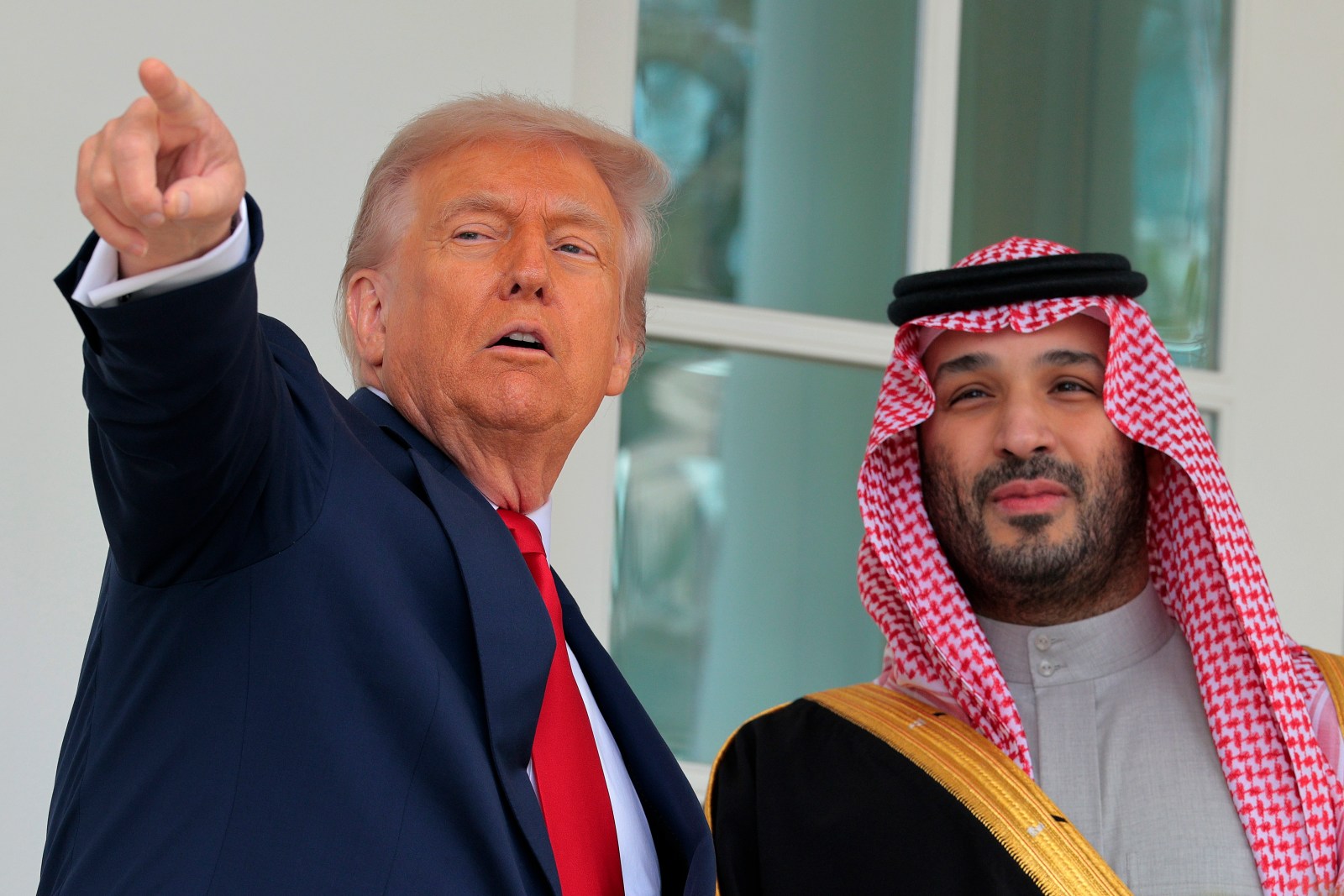
The U.S. decision to approve the sale of advanced F-35 fighter jets to Saudi Arabia represents a significant shift in Middle East deterrence strategy. The move aligns with President Donald Trump’s efforts to transfer defense responsibilities to regional partners.
This agreement, however, involves risks. It requires congressional approval, and the jets are not expected to be delivered for several years, during a time when rising oil and gas prices are influenced by ongoing conflicts involving the U.S. and its Middle Eastern allies against the Axis of Resistance coalition led by Iran.
Israeli officials have criticized any Saudi acquisition of F-35s without diplomatic normalization, fearing the impact on Israel Defense Forces’ air superiority. Meanwhile, some U.S. legislators warn that the transfer might expose advanced U.S. military tech to foreign nations like China, which holds close ties with Saudi Arabia.
The decision could reshape U.S. and Saudi Arabian relations amid regional turbulence, placing the Kingdom at the forefront of escalating clashes with Yemen’s Iran-backed Ansar Allah, known as the Houthi movement.
Saad Abdullah Al Hammad, a former Saudi diplomat, stated that the U.S. approval marks a pivotal change in security alliances. It occurs as Washington reduces direct military assistance to Riyadh in the context of the Houthi war, showcasing a shift towards arming allies rather than engaging directly.
A More Independent Kingdom
Saudi Arabia, an exception in the Arab world for avoiding European colonization, has relied on robust ties with the U.S. to protect its status as a leading oil producer and custodian of Islam’s holiest sites. Now, Crown Prince Mohammed bin Salman aims to reduce its economic dependence on energy sales under his Vision 2030 plan.
The diversification includes strengthening security ties with nations like China, Russia, Pakistan, and Turkey. This strategy aligns with Trump’s desire to relieve the U.S. of Middle East deterrence burdens while enhancing defense sales.
Al Hammad notes that the policy of burden-sharing has emerged as a key factor. The U.S. delegates military responsibilities to regional partners, ensuring ongoing major defense contracts that benefit the U.S. defense industry.
The F-35s could provide the Royal Saudi Air Force with stealth and strike capabilities to tackle drone and missile threats posed by Ansar Allah and other Axis factions. This comes after an alleged recent incident, where a Saudi F-15 was reportedly downed by Ansar Allah forces.
Race for Air Supremacy
For Israel, the sale is seen as a direct challenge. Israel, a longtime U.S. ally, acquired its first F-35s in 2016, a crucial asset in military operations against various regional adversaries.
Former Israeli Ambassador to the U.S. Michael Oren cited Israel’s sensitive position regarding its qualitative military edge, noting the complexity of evaluating this edge annually with the U.S.
Israeli Prime Minister Benjamin Netanyahu was willing to consider Saudi F-35 acquisition with diplomatic normalization conditions, similar to U.S.-Saudi nuclear cooperation agreements. However, normalization is linked to Palestinian statehood initiatives.
The sale coincides with Saudi Arabia’s defense pact with Turkey and Pakistan, sending a signal to Iran and Israel. Oren noted concerns about tech access and potential government shifts, emphasizing the sale as a longstanding diplomatic challenge.
Oil, Gas, and Diplomacy
The sale’s implications on regional diplomacy highlight Washington’s burden-shifting strategy. This strategy may lead Saudi Arabia toward compromise rather than confrontation with Iran and Axis allies.
Ansar Allah has indicated readiness for full-scale conflict, recently telling Newsweek of its preparedness against any escalation.
Annelle Sheline, a Quincy Institute fellow, suggests negotiations as preferable over escalation risks. A multinational ground offensive mirrors past coalition challenges in Iraq and Afghanistan, supporting withdrawal and negotiation over prolonged occupation.
Saudi Arabia lifting the blockade on Yemeni territories and reducing support for rival organizations represents a potential resolution to the conflict.
With rising fuel prices affecting Trump’s administration ahead of mid-term elections, former U.S. State Department official Amy Myers Jaffe underscored refining disruptions impacting consumer costs, exacerbated by the Persian Gulf crisis and the Russia-Ukraine war.
Al Hammad believes Saudi Arabia prefers de-escalation and diplomatic settlement, echoing the Kingdom’s focus on achieving stable, investment-friendly regional environments, crucial for initiatives like Saudi Vision 2030.