
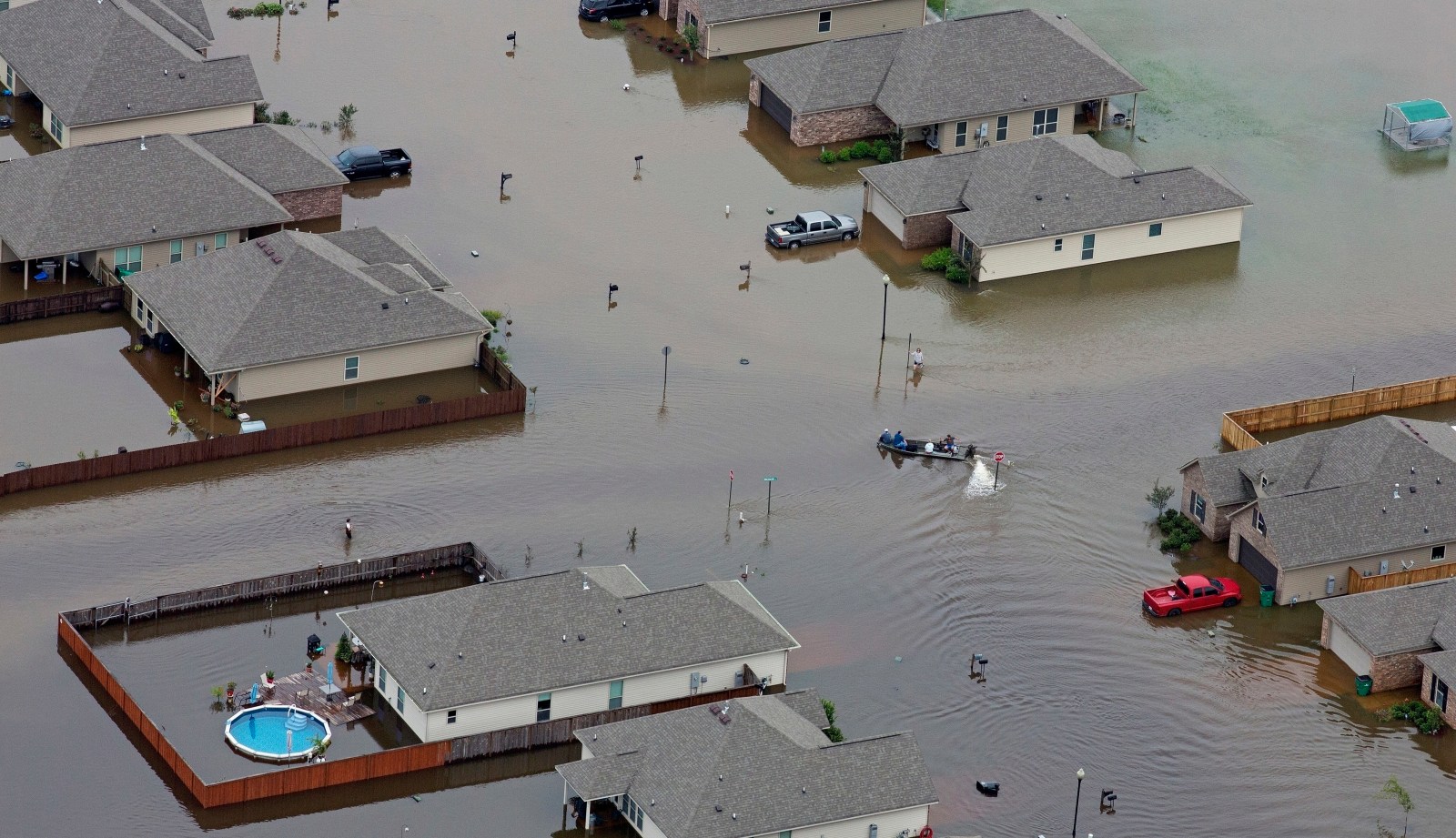
Meteorologists anticipate a powerful El Niño, likely causing substantial rainfall and flooding across the United States in the upcoming months. Coastal communities face elevated risks due to this climate phenomenon, which is driven by unusually warm Pacific Ocean temperatures.
El Niño’s Development
According to the World Meteorological Organization (WMO), El Niño might intensify significantly this fall and winter. This climate event stems from temperature fluctuations in the Equatorial Pacific Ocean. U.N. Secretary-General António Guterres highlighted that the phenomenon is expanding rapidly, demonstrating the planet’s warming trajectory.
“El Niño is being supersized before our eyes. The science leaves no room for doubt: the planet is in uncharted waters, and those waters are heating up,” Guterres stated last week.
Forecasts suggest that 2027 could be even hotter than the current year, potentially marking it as the warmest on record. This prediction aligns with insights from climate scientist Gavin Schmidt.
U.S. Impact Overview
Each El Niño differs, as noted by Scott Handel from NOAA’s Climate Prediction Center. Despite the uniqueness of each event, forecasts can still offer guidance. Predictions indicate that the West Coast, particularly California, may experience heavy rain and flooding. The Southeast might encounter severe weather and flooding as the event progresses.
Notably, areas like the Northern Rockies may see diminished snowpack, while parts of the Upper Midwest and the Northern Tier may experience warmer temperatures.
Homeowner Preparations
Property damage, including wind, roof, and flooding, is a primary concern for those in susceptible regions. Insurance expert Mark Friedlander emphasizes the significance of flood insurance, which is separate from standard homeowners’ policies. Despite increasing flooding incidents, a small percentage of homeowners possess flood coverage.
Preparation Strategies
- Secure flood insurance through NFIP or private providers; the coverage often requires waiting periods.
- Know your flood zone risk using FEMA’s Map Service Center.
- Prepare sandbags and clear drainage systems ahead of potential storms.
- Maintain emergency supplies such as non-perishable food, water, and power backups.
Ed Kearns from First Street, part of MSCI, recommends preventive measures like portable barriers and defensible space, noting these can be cost-effective despite higher investment options existing.
Regional Concerns
Crystal Egger of Monarch Weather Consulting advises against expecting uniform weather patterns despite strong El Niño predictions. The southern U.S., particularly California, the Southwest, and Gulf Coast regions, may experience increased precipitation.
Emily J. Becker from the University of Miami points out that wetter winters often occur along the Southern Tier during El Niño events, affecting the Gulf Coast more consistently than California. Further impacts include possible dryer conditions in areas such as the Ohio River Valley and Pacific Northwest.
Watch closely for regional threats as the storm track might influence the degree of weather severity, especially in the southern parts of the country.