
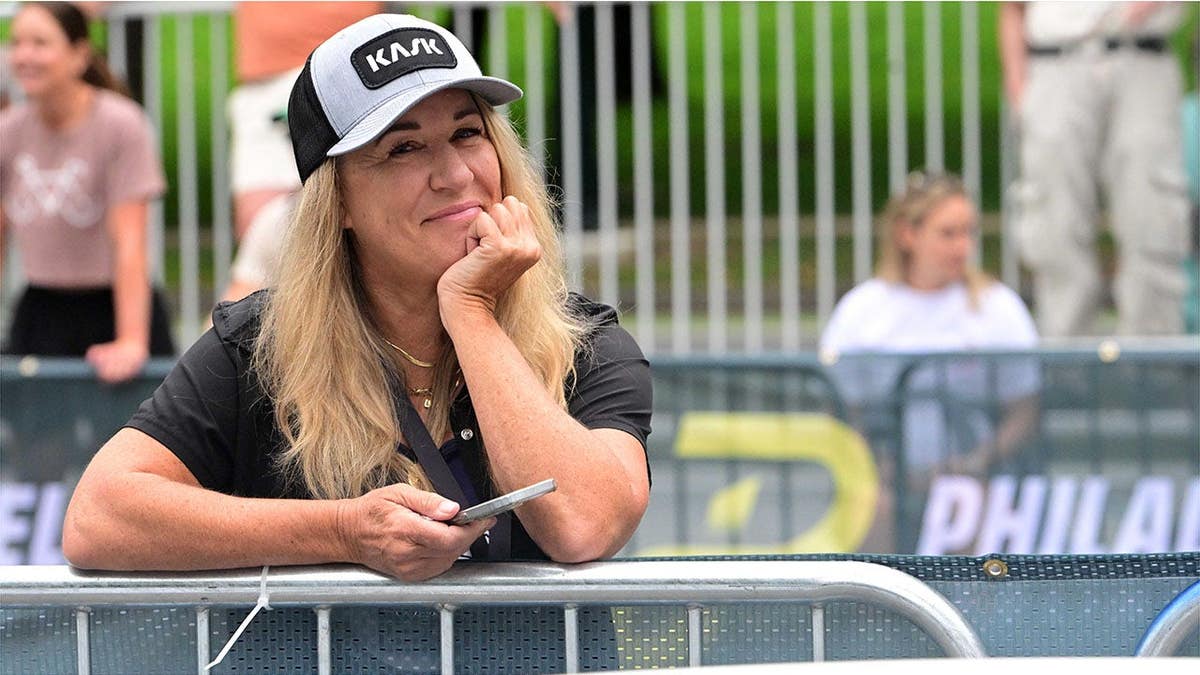
Former Olympic cyclist Inga Thompson has voiced strong support for female-only categories in athletics. Speaking on ‘Fox & Friends Weekend’, she praised WNBA star Sophie Cunningham’s bold stance in pursuing fairness in girls’ sports. Thompson emphasized the ongoing struggle to maintain Title IX protections amid debates on biological males competing in women’s events.
The Voices in Cycling
Nicola Cranmer, the general manager of Virginia’s Blue Ridge TWENTY28, shared her perspective after her team competed in the Philadelphia Cycling Classic. Cranmer expressed concern about a biological male athlete’s participation, asserting the need to protect the integrity and fairness of women’s categories. She emphasized that eligibility should be determined by transparent and consistent rules set by governing bodies like the UCI.
Cranmer’s concerns arose after a male cyclist entered the women’s competition, raising questions about the adherence to UCI policies. She called for respect and dignity for all athletes, ensuring women have a fair and secure category in which to compete.
The Role of Officials
A race official provided clarification on the situation, noting that all riders had been required to hold valid international racing licenses. No discrepancies were evident in Amanda Tait’s licensing information, which indicated eligibility to compete in the women’s field. Misunderstandings only surfaced when spectators recognized Tait during the race.
Tait was identified in the peloton but was later removed via standard time-cut procedures. Officials were unaware of the eligibility issue initially and relied on USA Cycling to handle determinations. The event, sanctioned by the UCI, revealed gaps in the process for eligibility enforcement.
Policy and Controversy
Amanda Tait’s participation sparked conversations about fairness as she rose quickly from the development category to pro-level competition. Her ability to compete was scrutinized, especially after placing fourth at the USA Cycling Masters and Junior Road National Championships.
USA Cycling responded by implementing a new competition policy in September 2025. Critics found it lacking, arguing it did not protect women’s divisions sufficiently. The policy initially allows self-certification with verification based on birth certificates or other evidence.
Issues like the 2023 controversy over trans cyclist Austin Killips highlight the challenges and complexities faced in women’s sports. USA Cycling retains authority in category status decisions, leaving limited recourse for those contesting eligibility on race day.