
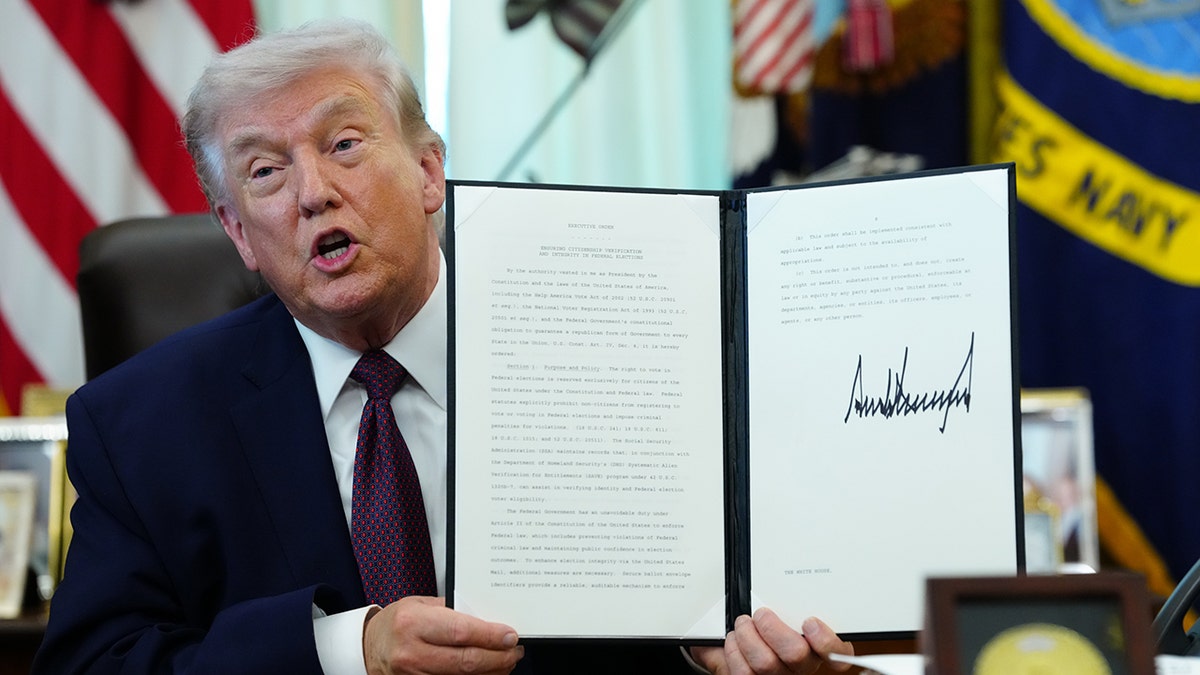
Defending Mail-In Voting Restrictions
The Attorney General, Todd Blanche, is set to defend the mail-in voting restrictions backed by former President Donald Trump. This follows a significant Supreme Court ruling in favor of these measures, passing with a 6-3 decision. Blanche reiterated the Department of Justice’s readiness to ensure election integrity as the midterm elections approach.
State-Level Opposition
Several state attorneys general, including Pennsylvania’s Gov. Josh Shapiro, have initiated legal action against these new voting restrictions. This coalition comprises officials from 23 states and Washington, D.C., who are suing the U.S. Postal Service (USPS) over the implementation of Trump’s mail-in ballot rule. Gov. Shapiro criticized the rule as unconstitutional and vowed to protect Pennsylvania’s electoral process.
Supreme Court Decision and Reaction
Following the Supreme Court’s ruling, White House spokeswoman Lauren Bis emphasized the administration’s commitment to lawful implementation of agenda items aimed at securing elections. She dismissed opposition from Democrats as an obstacle to safeguarding mail-in voting integrity.
Details of the USPS Rule
The finalized “Ballot Mail for Federal Elections” rule requires submission of mail-in ballot recipient information to a USPS portal, compliance with specific design criteria, and pre-approval of ballot-envelope designs by the USPS. The rule aims to enhance mail ballot security and tracking.
Lawsuit Concerns
The coalition challenging the rule argues that it improperly assigns USPS a role in election administration and imposes new procedures on state officials. They contend that congressional approval is necessary for such changes and that USPS bypassed required review processes for substantial operational modifications.
The coalition state lawsuit seeks to halt the rule’s implementation during the ongoing legal proceedings, arguing it addresses the timing issue raised by the Supreme Court.
Gov. Newsom has pledged further legal action following the Supreme Court’s decision.
Supreme Court’s Stance
The Court acknowledged that USPS had not yet enacted the executive order at the time of the initial challenge. However, it indicated that states might pursue complaints should USPS finalize rules that prove harmful.