
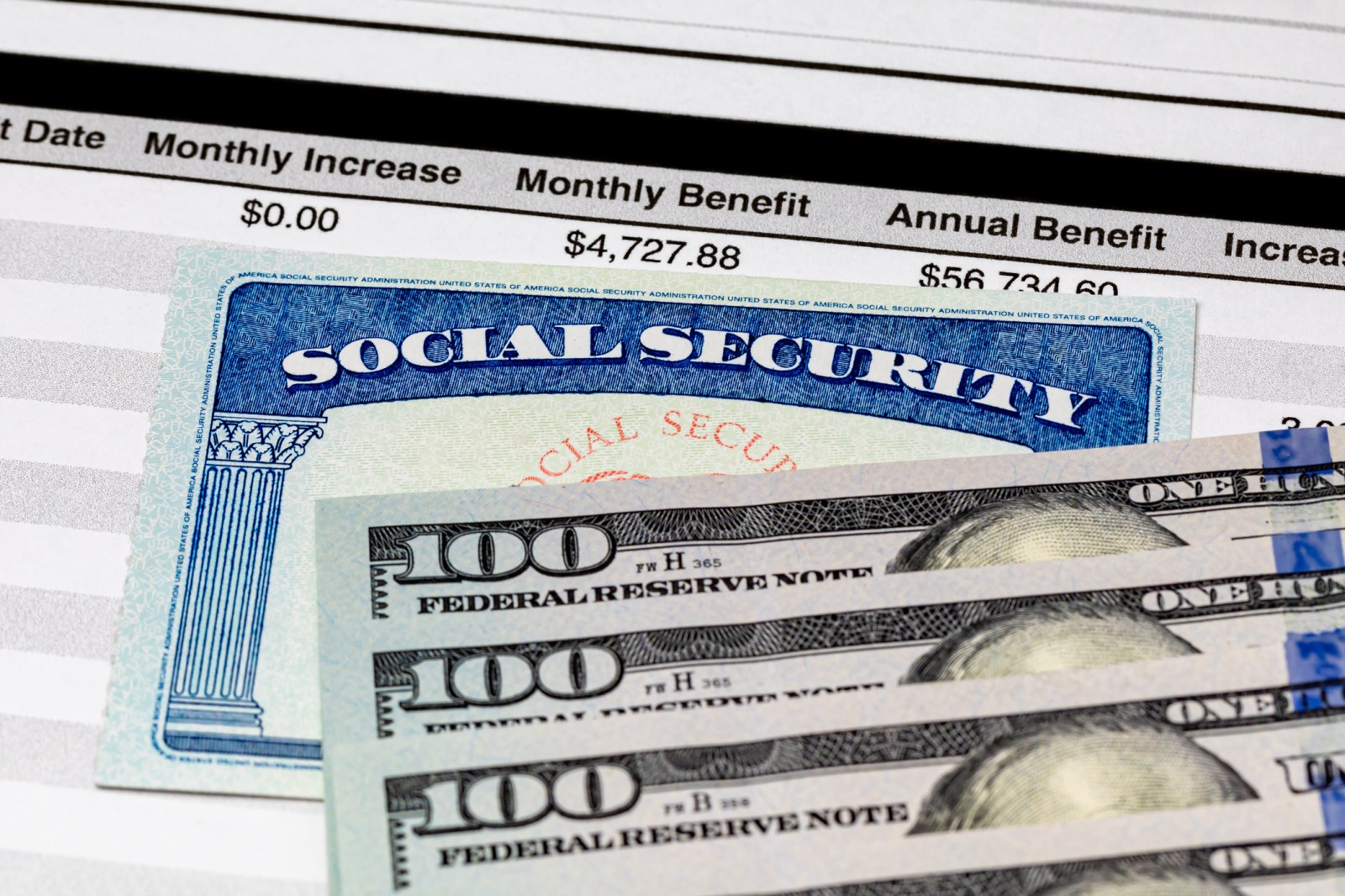
Millions of Americans with student debt may soon see new protection for their Social Security benefits. Senator Bernie Sanders, from Vermont, introduced the Stop Social Security Garnishment Act of 2026. This legislation aims to prevent the federal government from seizing Social Security payments to collect on defaulted federal student loans.
The bill, announced on Monday, is supported by Democratic Senators Elizabeth Warren and Ed Markey, both from Massachusetts. It seeks to amend federal higher education laws, ensuring Social Security payments remain intact even if a borrower defaults on a student loan. The protection would cover seniors and those receiving Social Security Disability Insurance.
In the richest country in the history of the world, no senior should have their Social Security payments taken away from them to pay back student debt.
This statement from Sanders highlights the premise of his proposed measure.
Rising Defaults Among Borrowers
The need for such legislation is underscored by a sharp increase in the number of Americans in default. As of March, 9.5 million borrowers were in default, representing over one in five federal student loan borrowers. The total defaulted amount reached approximately $233.3 billion out of the $1.7 trillion in federally backed student loans.
Older Americans also carry significant student debt. Around 9.6 million borrowers aged 50 and above owe nearly $457 billion. The Consumer Financial Protection Bureau reports that approximately 452,000 borrowers aged 62 and older have defaulted student loans and likely receive Social Security benefits.
Current Collection Practices
Federal student loans typically default when a borrower misses payments for over 270 days. If unresolved, the government can employ greater collection powers than many private creditors. The Education Department can use Administrative Wage Garnishment to take up to 15 percent of a borrower’s disposable income without a court order.
The Treasury Offset Program can intercept federal payments such as tax refunds and certain Social Security benefits to recover outstanding debts. Although federal laws currently protect up to $750 per month of Social Security benefits, this figure hasn’t been updated since the 1990s.
Social Security offsets increased significantly before pandemic-related suspensions. The Consumer Finance Protection Bureau noted a rise from about 6,200 offset cases in 2001 to 192,300 in 2019. In 2019, the average annual offset amount was $2,232, or $186 monthly.
Over a third of the 1.3 million beneficiaries with student loans depend on their Social Security benefits for at least 90 percent of their income. Many defaulted borrowers reported skipping medical care or prescriptions due to financial constraints.
Default Wave After Protections End
The current surge in defaults follows the resumption of federal student loan payments in 2023. A special one-year period allowed borrowers to miss payments without severe consequences, ending in fall 2024. New defaults began emerging in June 2025, swelling the default numbers from 5.3 million to 9.5 million by March 2026.
Simultaneously, borrowers face changes to federal repayment programs, including the removal of the Biden administration’s SAVE income-driven repayment plan.
Suspend Collections in Transition
Currently, the federal government is not enforcing the involuntary collections targeted by Sanders’ proposal. The Education Department announced a temporary pause on both Administrative Wage Garnishment and the Treasury Offset Program. This pause allows defaulted borrowers time to adjust to new repayment plans, consolidate loans, or rehabilitate their debt. Their goal is to help borrowers return to regular repayment schedules.
Sanders’ bill would permanently safeguard Social Security payments in the context of federal student loans.
Legislative Process
The legislation was put forward on August 17 but lacks an assigned Senate bill number, indicating its nascent stage. It must progress through Congress and gain approval from both the Senate and House before it can reach the president.