
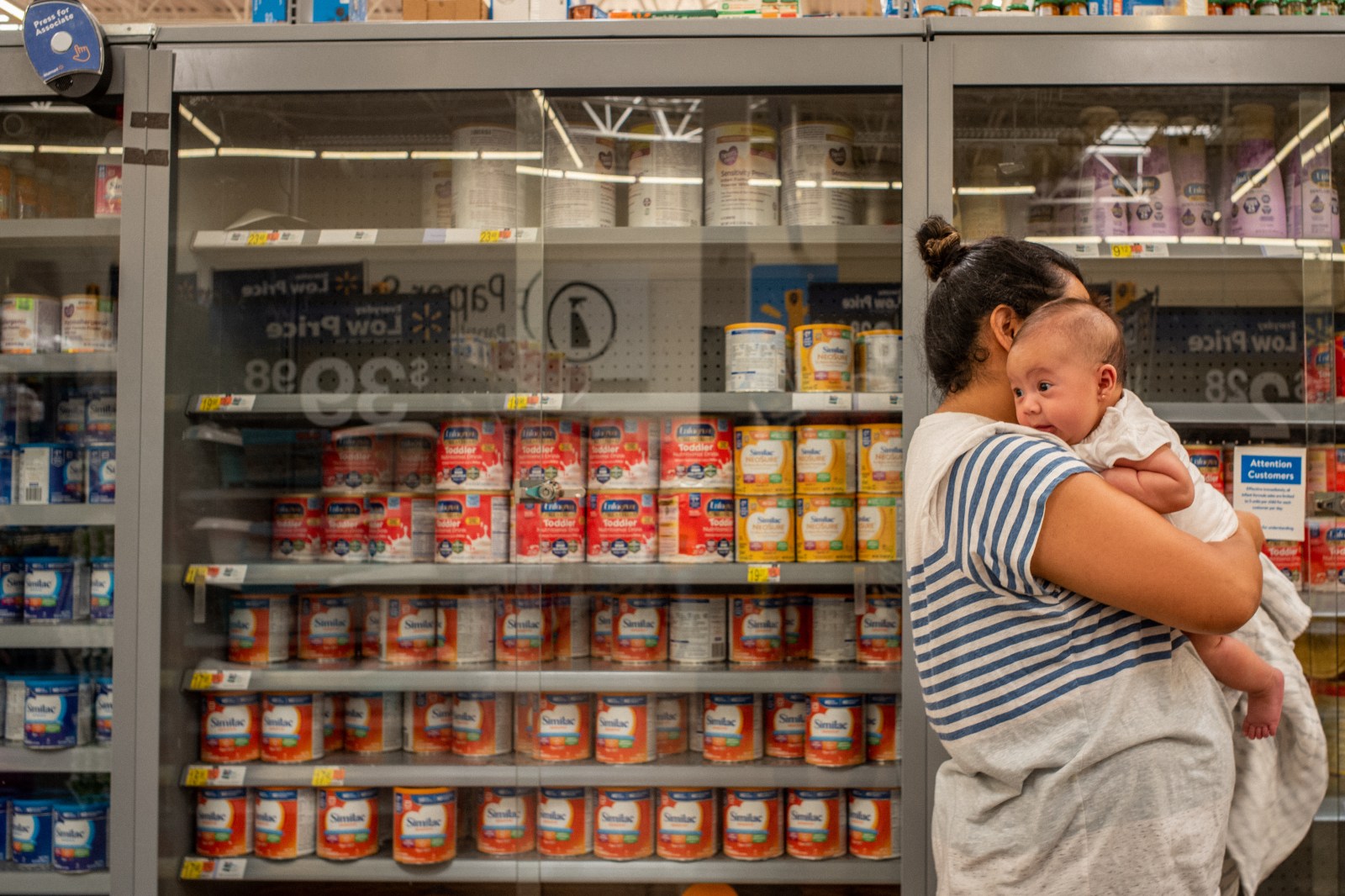
Republicans Push for Stricter Safety Measures in Infant Formula
Republican lawmakers are urging Health and Human Services Secretary Robert F. Kennedy Jr. to enforce stricter federal oversight of infant formula. They argue parents deserve stronger protections against heavy metals and other contaminants found in products consumed by millions of infants.
A significant number of infants will depend on formula during their first year, whether in combination with breast milk or as their sole diet. While the Food and Drug Administration (FDA) recently affirmed that the U.S. formula supply is safe, advocates and lawmakers insist the government must set formal limits and increase transparency, offering parents stronger assurances about the products vital for infant nourishment.
Proposed Legislation for Safety Standards
The call for greater safety comes via two new Congressional bills aimed at setting contaminant standards for infant formula and conducting additional research on the health impacts of toxic metals. These efforts come amid ongoing debates over formula safety.
An HHS spokesperson highlighted efforts under Secretary Kennedy and President Trump’s leadership, noting extensive reviews, expanded testing, and transparency measures, forming part of the department’s health mission.
Details of New Bills
On July 20, Florida Representative Brian Mast introduced the FORMULA Act of 2026. The bill proposes amending the Federal Food, Drug, and Cosmetic Act to establish maximum permissible contaminant levels in infant formulas, enhancing federal oversight. The regulation would consider factors like cumulative health impacts and the contaminant’s bioaccumulative nature in humans, alongside realistic goals based on available technology and associated costs.
Manufacturers would need to establish testing protocols, maintain records post-expiration, and make data available upon request. An annual report to Congress would list violations, contaminant levels found, and progress updates.
Various contaminants are identified in the legislation, including polyfluoroalkyl substances, microplastics, phthalates, and synthetic pesticides.
The bill, supported by Republican Buddy Carter of Georgia, awaits a vote in the House Committee on Energy and Commerce.
Representative Tom Barrett of Michigan introduced the Safe Baby Formula Act of 2026 on July 27. This bill mandates an HHS study on the effects of arsenic, cadmium, lead, and mercury in infant formula within a year of enactment. It requires action levels to be established for these contaminants, considering feasibility, enforcement capability, and food security impacts.
Past shortages have raised concerns about formula availability.
Concerns Over Arsenic and Other Contaminants
Advocates have long argued for more enforceable limits on formula contaminants, noting that countries like the EU, Canada, and Australia have established standards. Independent testing by Consumer Reports revealed varying levels of contaminants, spurring further scrutiny by lawmakers.
Consumer Reports found that half of the formula types tested contained harmful contaminant levels. Arsenic, naturally occurring and carcinogenic, is a particular concern. Inorganic arsenic was detected in popular formulas, despite their meeting European Commission regulations.
Currently, the U.S. lacks established arsenic limits for formula, while the EPA sets a 10 parts per billion limit for drinking water.
The FDA’s extensive testing concluded that the formula supply is generally safe, with most products showing low contaminant levels. Kennedy emphasized accountability and transparency in safeguarding infant health.
Recommendations for Formula Selection
The FDA assures U.S. formula products meet high safety standards. Yet Consumer Reports highlights differences in contaminant levels among products.
The report noted top-performing formulas include Enfamil, Similac, Bobbie, and Earth’s Best. Some store brands also ranked well, offering cost-effective options.
Parents should select a formula meeting their child’s nutritional needs and consult healthcare providers before making changes.
Water Quality in Formula Preparation
Preparation matters, as contaminants can also be present in water. Consumer Reports advises understanding local water supply quality. Distilled or purified water removes contaminants, and boiling tap water can kill bacteria.
Lawmakers focus primarily on the formula itself. While FDA results reassure many, Republicans advocate for formal limits and transparency. Kennedy’s response may shape future debates on formula safety.