
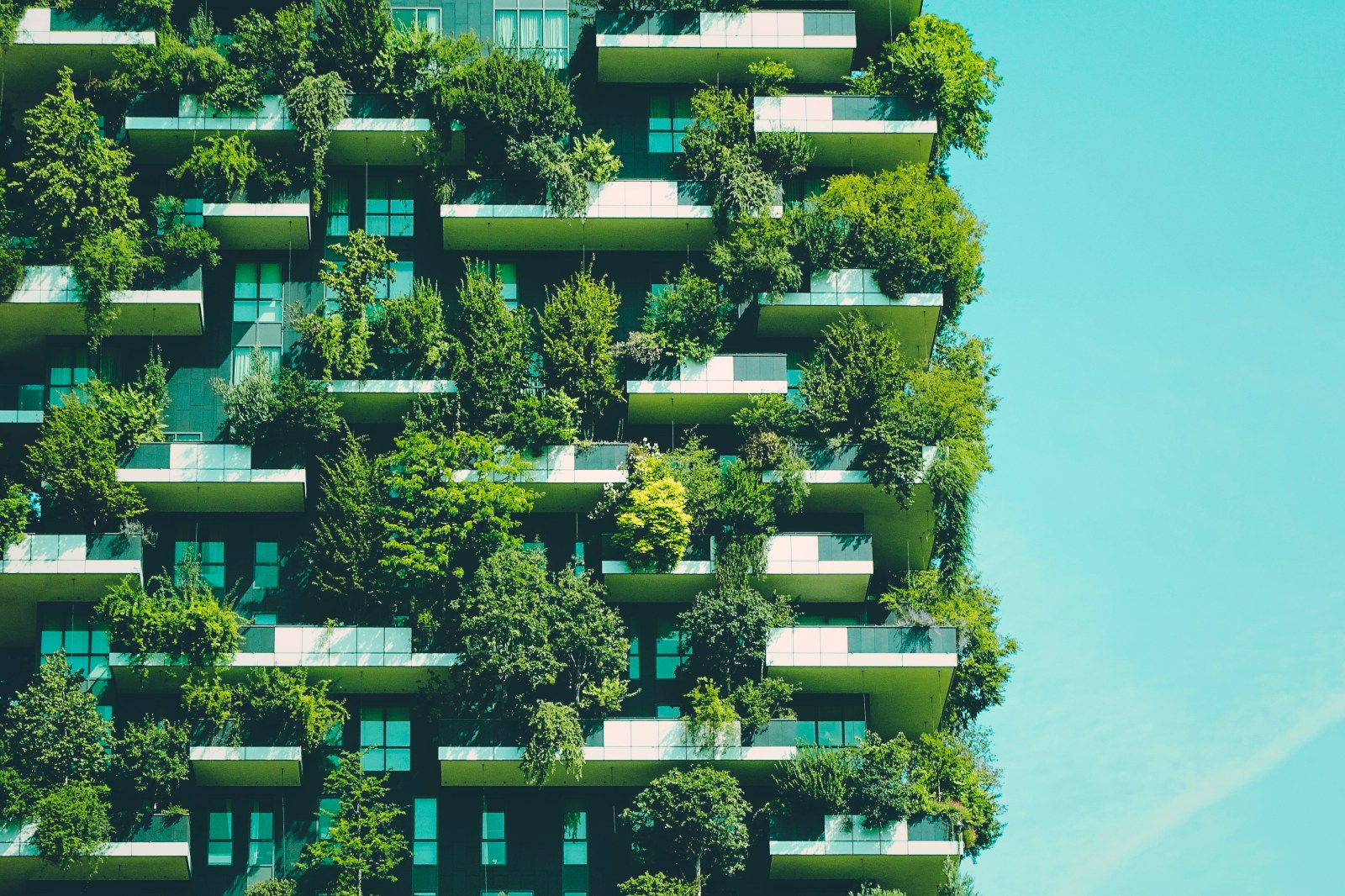
Older adults living near green spaces are significantly less likely to develop dementia, according to research tracking nearly 3,000 individuals over 16 years. The study, conducted by researchers at Stockholm University and Karolinska Institute in Sweden, found a 20% reduction in dementia risk for those with more vegetation within 110 yards of their homes. These findings are published in Alzheimer’s & Dementia.
Impact of Green Spaces on Brain Health
Cecilia Stenfors, the study’s lead author and associate professor of psychology at Stockholm University, emphasized the importance of promoting green areas in urban planning. She explained that greenery might enhance brain health through psychological well-being, encouraging outdoor activities, enhancing social interactions, and protecting against stressors like traffic noise and pollution.
Green Space and Dementia Study Details
The study involved 2,993 adults over 60 taking part in the Swedish National Study on Aging and Care in Kungsholmen. Over the 16-year period, 477 participants developed dementia. Researchers used satellite imagery and geographic systems to measure vegetation around their homes each year, focusing on distances of 110, 275, and 550 yards. The strongest link between greenery and reduced dementia risk was observed within 110 yards, with women showing a stronger association.
The Importance of Nearby Nature
Stenfors highlighted that the immediate surroundings are crucial as they form part of everyday life. Previous studies showed that green areas near homes promote better sleep and mental health, as well as reduced antidepressant use. Green space encourages outdoor activities, physical exercise, and social interactions while minimizing exposure to environmental hazards like pollution and noise, offering a “buzzer zone” of protection.
Urban Densification vs. Green Space
Stenfors warned that increasing urban densification might lead to fewer green spaces, which could result in less healthy living environments and increased vulnerability to extreme weather. She described vegetation as a “nature-based solution” that benefits brain health, biodiversity, flood prevention, and provides cooling and shade during heatwaves.
Clinical Perspectives on Study Findings
Neurosurgeon Dr. Željko Kojadinović commented on the study’s focus on greenery within 110 yards, noting its association with a 20% lower dementia risk. Daily interaction with nature may improve mood, support physical activity, and foster social connections, all beneficial for brain health. Vegetation can also filter airborne pollutants, which are linked to brain vessel damage. Dr. Kojadinović cautioned that while the association is clear, it is not proof of a causal relationship.