
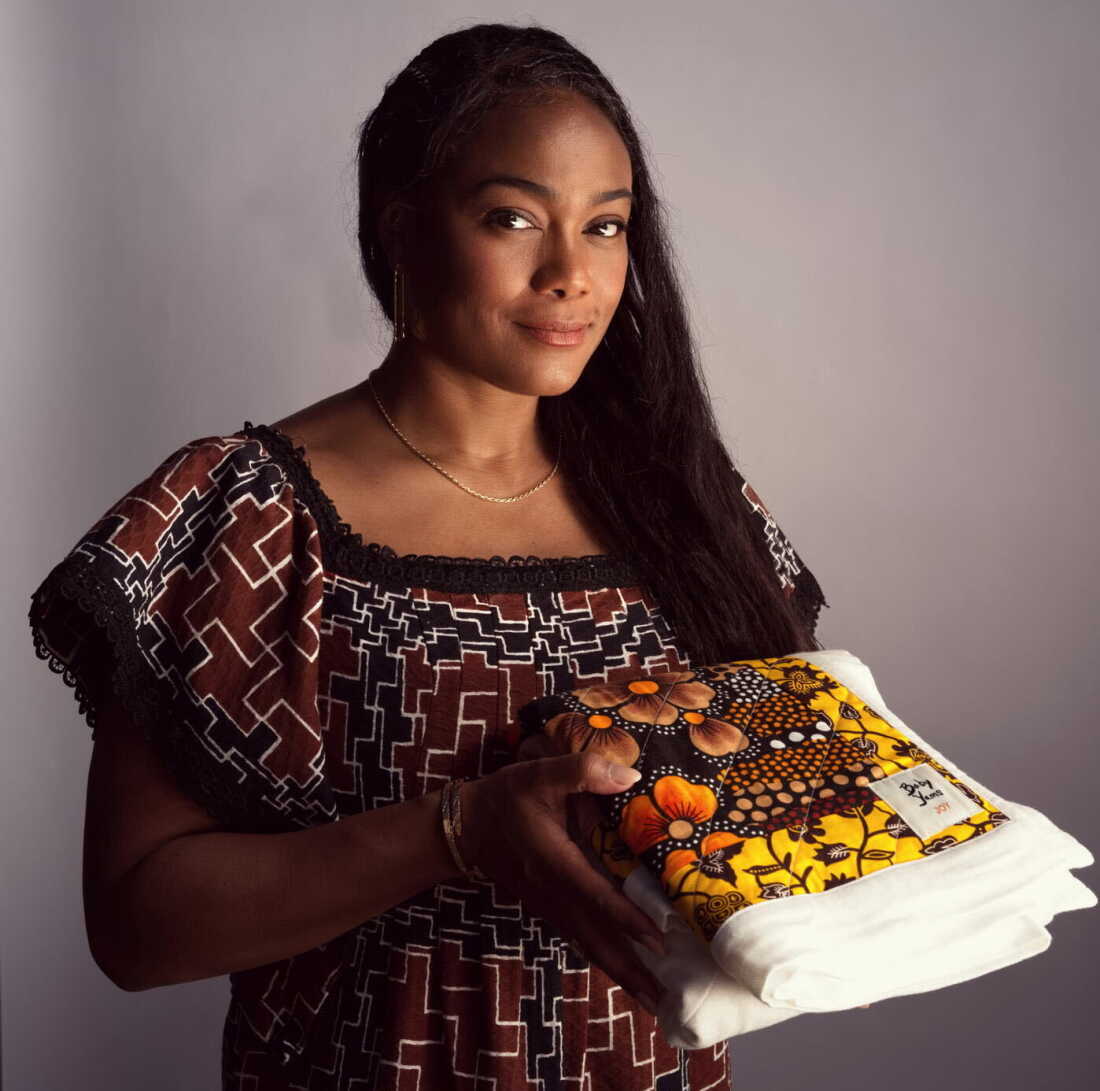
Actor Tatyana Ali is using her platform to advocate for Black and Indigenous maternal health care. Holding a Baby Yams quilt, each piece made by her team aims to raise funds and awareness for birth workers. These efforts spotlight Ali’s ongoing mission to improve health outcomes for mothers and babies of color.
Ali, renowned for her role as Ashley Banks on NBC’s “The Fresh Prince of Bel-Air,” speaks out about the systemic racism in maternity care. Her activism is driven by her own concerning experience during her first son’s birth. In 2016, Ali faced what she describes as “obstetric violence” during her delivery.
Personal Experience and Career
Ali highlights the pivotal role of motherhood in her life. As she returns to the spotlight with “Dancing with the Stars,” she remains vocal about her experiences and social justice.
When giving birth to her son Aszi, Ali’s birth plan was disregarded. She was physically restrained and subjected to an emergency procedure called the Zavanelli maneuver. This experience led her to realize the racial disparities in healthcare, urging her to advocate for others.
The Broader Issue
The maternal mortality rate is strikingly high in the United States. Black mothers are disproportionately affected, with a death rate more than three times higher than white mothers. Efforts to address this include improving hospital protocols for conditions more prevalent among Black women.
Dr. Tamika Auguste of MedStar Washington Hospital Center emphasizes examining outcomes with demographic specifics to better address bias in patient care. Despite advances, access to proper care remains a challenge, especially in numerous maternity care deserts across the nation.
Ali’s Advocacy Through Baby Yams
Ali’s business, Baby Yams, funds grants for Black and Indigenous birth workers. Her quilts support the Birth Future Foundation, which aids in providing financial backing to midwives and doulas.
Ali states, “There are solutions. The solutions exist now.”
Nadia Gramby, benefiting from Ali’s support, highlights the impact of having accessible care, especially in underserved regions. This support helps fill the gap in areas labeled as maternity care deserts.
The Role of Midwives and Doulas
Midwives and doulas offer crucial support, especially for Black families. Midwives are equipped to handle low-risk births and often collaborate with doulas. Research indicates that midwife-led births result in fewer complications.
Policies are needed to remove restrictions hindering midwives’ ability to practice independently. Ali’s success in finding a midwife for her subsequent pregnancy shows the value of having options and control over maternal care.
As Ali continues to share her story and support others, she underscores the necessity of compassionate and respectful maternal care.