
In Doha, Qatar, the planned presence of Iranian and U.S. delegating teams highlighted ongoing tensions. Despite talks, Iran stated no meetings were planned, coinciding with recent missile exchanges affecting a tentative ceasefire.
Scheduled Diplomatic Efforts
President Donald Trump dispatched Jared Kushner and special envoy Steve Witkoff to lead U.S. negotiations, confirmed by press secretary Karoline Leavitt. Iran sent a technical delegation without intent to meet the Americans, according to Foreign Ministry spokesman Esmaeil Baghaei.
“We will not have any negotiation meetings at any level with the American side in the coming days,” Baghaei stated.
Fragility of the Ceasefire
The uncertainty surrounding meetings emphasized the fragility of a June 17 ceasefire. The agreement aimed to halt a conflict impacting global oil trade through the Strait of Hormuz. The instability poses political challenges for Trump before the congressional elections.
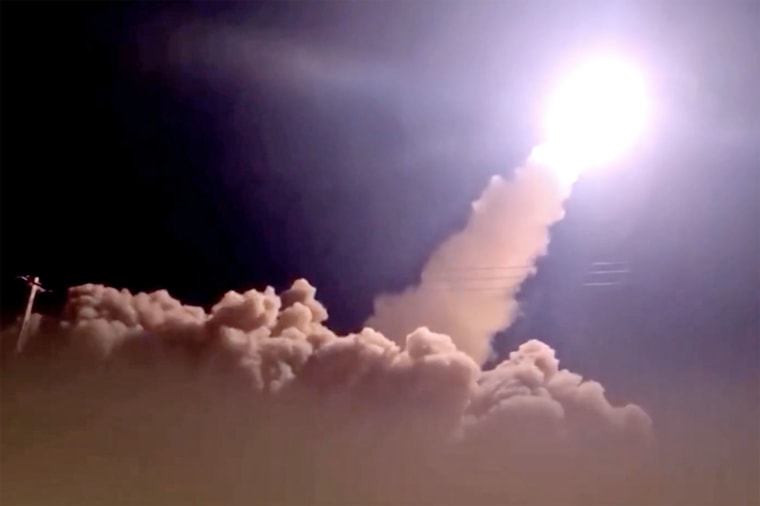
An IRGC video released claims to show strikes on U.S. sites.
The U.S. and Iran agreed to a 60-day period for a 14-point memorandum of understanding, focusing on extending a prior ceasefire and considering Iran’s nuclear ambitions. Progress faced setbacks, with accusations of violations from both parties.
Global Implications
The conflict, intensified by U.S. and Israeli attacks on February 28, stalled maritime activities at the vital Strait of Hormuz, typically responsible for a significant portion of global oil transit. This disruption increased oil prices, exceeding $100 a barrel, influencing global inflation, and putting electoral pressure on Trump.
Israel distanced itself from the U.S.-Iran discussions, creating complications in Lebanon. There, efforts to resolve conflict with Hezbollah, backed by Iran, are ongoing.
Upcoming Talks in Doha
A senior Iranian official mentioned a meeting in Doha, focused on the Strait of Hormuz rather than direct negotiations. Technical teams from the U.S. and Iran are expected to engage with Qatari and Pakistani mediators separately.
Trump remarked ambiguously about Doha’s importance, stating, “the meeting in Doha is going to be perhaps important, perhaps not.” He reiterated the necessity of halting Iran’s nuclear capabilities.
Regional Tensions
Iran aims to exert control over the maritime route, suggesting revised fees and path restrictions. The U.S. accused Iran of recent attacks on commercial ships, responding with strikes on Iranian military sites. Iran retaliated by targeting U.S. positions in Kuwait and Bahrain.
Jared Kushner and Steve Witkoff, seen previously in Islamabad, were pivotal in recent discussions.
U.S. Congressional Briefing
Witkoff and Secretary of State Marco Rubio briefed Congress on Iran. Republican Senator Steve Daines reported a minimally informative yet “constructive” call. Conversely, Senate Democrat Chuck Schumer critiqued the briefing for its lack of details.
Schumer expressed concerns over Iran’s control of the Strait and untapped benefits from U.S. engagement.
Economic Developments
Iranian President Masoud Pezeshkian announced $6 billion out of $12 billion frozen assets in Qatar would be returned to Iran. The memorandum includes U.S. sanction waivers beneficial to Iran’s oil sectors, which Pezeshkian hailed as significant.
Recent hostilities nudged oil prices over 1%, underscoring the delicate U.S.-Iran accord.
International Responses
French President Emmanuel Macron stated efforts with Oman to ease tensions and collaborate on de-mining the Strait of Hormuz. Nonetheless, Iran’s Deputy Foreign Minister Kazem Gharibabadi emphasized Iran’s responsibility in mine removal, cautioning France against complicating scenarios.