
Iranian Military Actions and U.S. Response
The Iranian Revolutionary Guard has claimed responsibility for launching drone and missile attacks on Bahrain and Kuwait. These actions occurred on Sunday, just hours after the United States engaged in military action against Iranian targets. These events have placed ongoing ceasefire negotiations in significant jeopardy, marking the most serious escalation since a recent memorandum of understanding between the U.S. and Iran.
Key issues remain unresolved under this agreement, including shipping arrangements in the Strait of Hormuz, lifting the U.S. blockade on Iranian ports, sanction relief, and the future of Iran’s enriched uranium stockpile.
Reactions from Kuwait and Bahrain
Kuwait reported that its air defenses intercepted two Iranian ballistic missiles, and there were no reports of injuries or damage. Bahrain, on the other hand, experienced damage when Iranian munitions hit a residential building near the international airport, resulting in destruction but no casualties. Bahrain’s Foreign Ministry condemned these actions as a deliberate and systematic pattern of aggression by Iran.
Escalating Violence in Israel and Lebanon
The region is further destabilized by increasing violence between Israel and Hezbollah in southern Lebanon. On Sunday, Hezbollah killed an Israeli soldier, prompting an Israeli military response. Hezbollah’s leader has stated that the group intends to continue its fight until Israel withdraws from southern Lebanon. However, Israel has firmly declared its refusal to withdraw until Hezbollah disarms.
Amidst this turmoil, Iranian parliament speaker Mohammad Bagher Qalibaf urged immediate discussions involving a newly created conflict control unit comprising Iran, the U.S., and Lebanon.
U.S.-Iran Strait Dispute Continues
The immediate catalyst for the Iranian attacks was a series of U.S. military actions targeting Iranian sites. The U.S. Central Command reported strikes on Iranian military infrastructures, including key surveillance and communication systems. These actions were in response to an Iranian attack on the Panamanian-flagged tanker Kiku in the Strait of Hormuz, escalating tensions over control of this vital waterway. Iran maintains it should solely govern the strait.
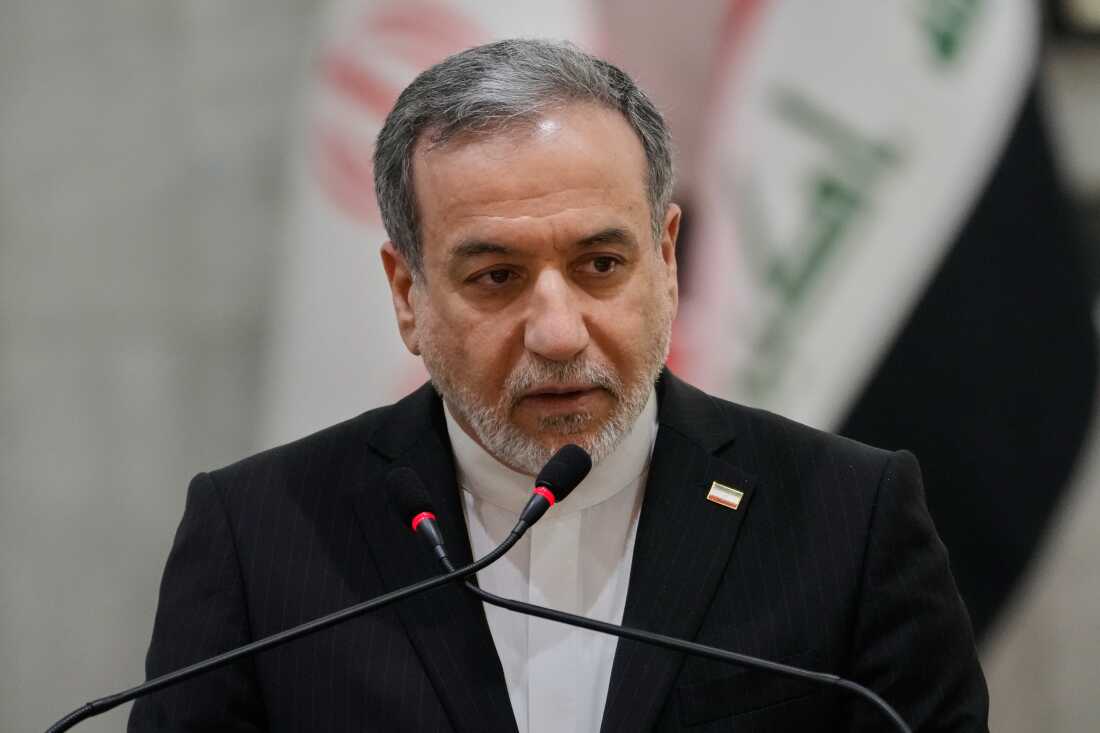
Iranian Foreign Minister Abbas Araghchi reaffirmed this stance, warning that any deviation could further complicate matters and raise tensions. The Iranian Revolutionary Guard Corps indicated that Iran might cease negotiations if U.S. military actions continue. President Trump, responding on social media, accused Iran of violating the ceasefire and warned that continued aggression might lead to more severe military action.