
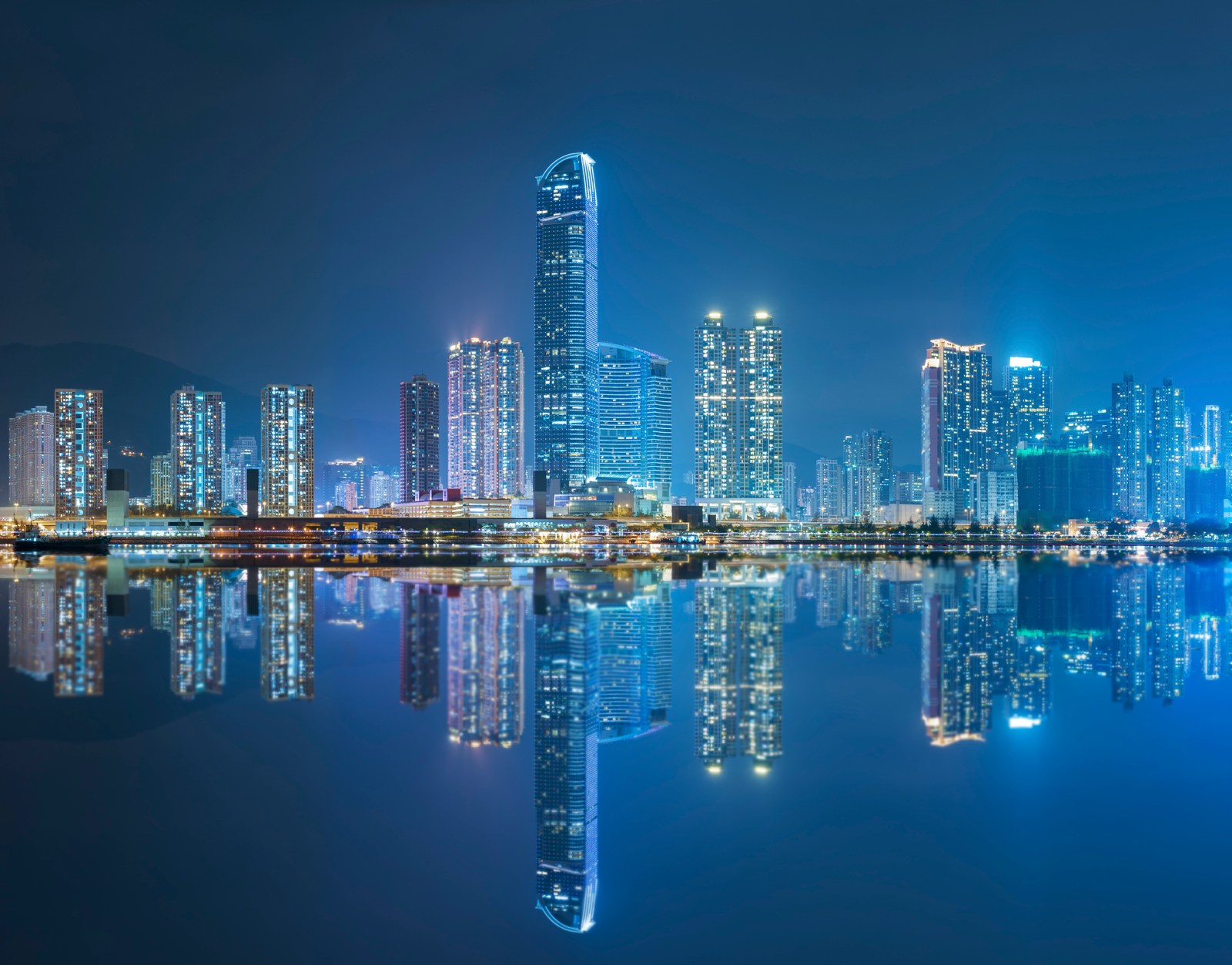
Hong Kong hosts more skyscrapers than any other city globally, surpassing New York, Chicago, and Dubai. With 569 buildings over 150 meters, Hong Kong exceeds New York City’s 320 buildings of the same height. According to the Council on Vertical Urbanism, a tall building generally exceeds 14 stories or 50 meters in height, which Hong Kong’s structures overwhelmingly surpass. The city’s skyline boasts 102 buildings taller than 200 meters and six reaching beyond 300 meters.
As urban centers like Hong Kong, New York, and Dubai stretch the limits of vertical design, they face intensified challenges related to environmental impact. Buildings and construction contribute to 39% of global energy-related carbon emissions, according to the World Green Building Council. Operational energy use accounts for 28%, while materials and construction make up 11%.
Before a building becomes occupied, a significant portion of emissions known as ‘upfront carbon’ is released during material extraction, manufacturing, and construction. The World Green Building Council anticipates that upfront carbon could comprise half of the carbon footprint of new construction by 2050, as global building stock is projected to double. Architect Gordon Gill, associated with the Jeddah Tower, emphasized the hidden embodied carbon within structural systems.
“The majority of embodied carbon… is primarily in the infrastructure and the structure of these buildings,” Gill said, likening it to an unseen city under the asphalt.
This evokes a critical balance for cities striving for taller structures. The demand for density and height must be counterbalanced with efforts to lower emissions and rethink high-rise design.
A City Built Up, Not Out
Hong Kong’s skyscraper surge is driven by geographical and economic factors. According to architect James von Klemperer of KPF, high-rise buildings have proliferated due to limited land availability from island/mountain topographies and the economic push for building space. Only about 25% of Hong Kong’s land is developed, with the remainder as protected reserves. This has led the city to grow vertically while maintaining proximity to nature.
Hong Kong’s strategic global position further bolstered expansion. Its role as a gateway between China and the global market heightened the need for office, residential, and retail space. The skyscraper trend began in the 1970s and advanced through subsequent decades.
Engineer John Peronto of Thornton Tomasetti drew comparisons to early Chicago, citing land constraints as a factor for vertical growth. “There’s only one way to build… take full advantage of the land,” Peronto commented.
Can Other Cities Follow Hong Kong’s Lead?
While influential, Hong Kong’s model isn’t easily duplicated. Adaptations in architecture and urban design are crucial due to distinct local conditions including climate, culture, and susceptibility to natural forces, as noted by von Klemperer.