
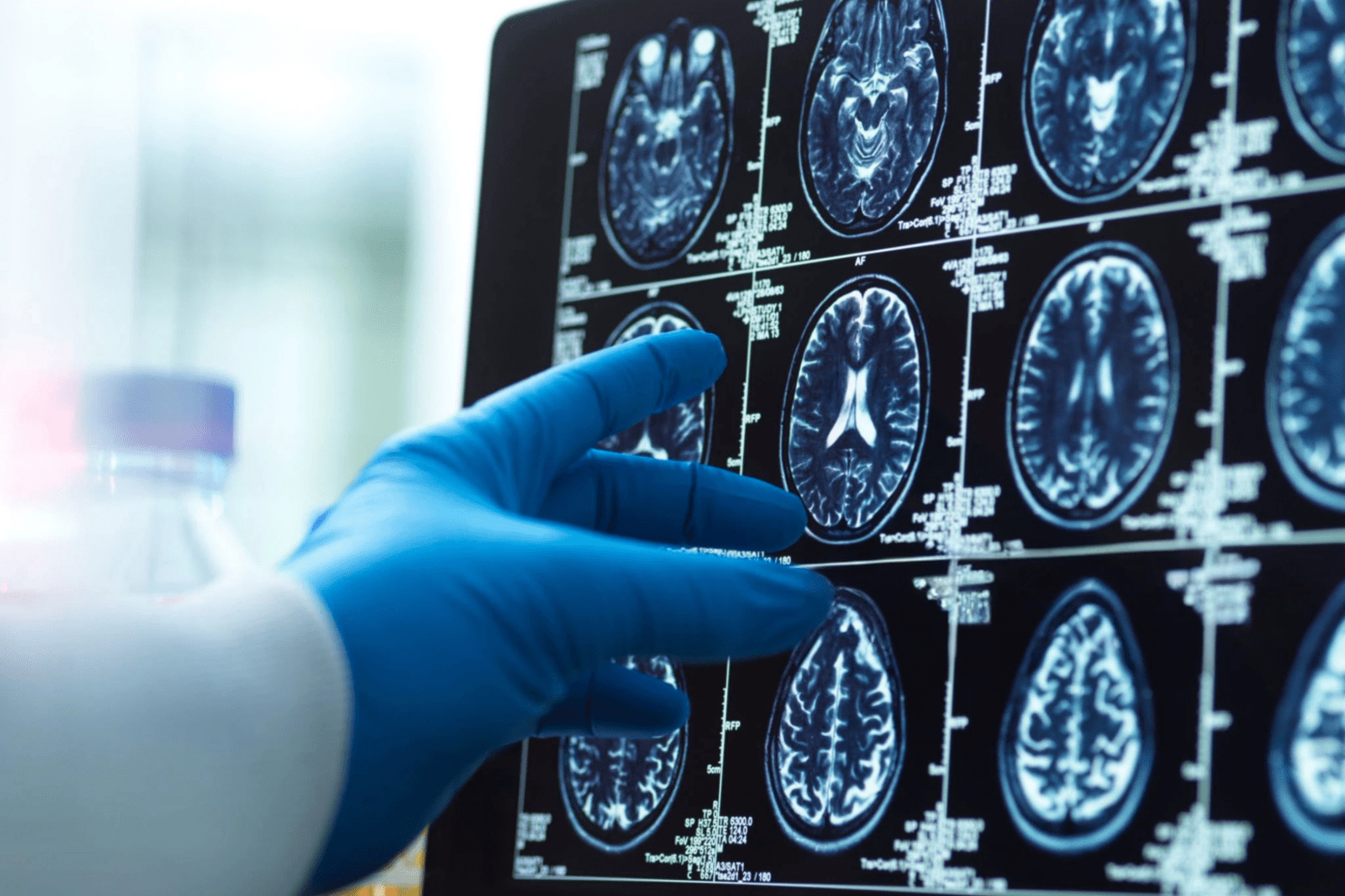
Scientists have found a protein that might prevent brain changes linked to Alzheimer’s and Parkinson’s disease. Published in Nature Communications, researchers from Baylor College of Medicine discovered tubulin’s potential protective effects in brain cells.
Both Alzheimer’s and Parkinson’s diseases are associated with specific proteins. Tau protein buildup is linked to Alzheimer’s, while alpha-synuclein is connected to Parkinson’s. These proteins can misfold and clump together, leading to toxic aggregates. These aggregates cause damage to neurons and result in memory loss, cognitive decline, and movement issues.
Traditionally, research has aimed to stop or eliminate these clumps. The new study suggests an alternative approach. Instead of blocking these proteins, encouraging normal protein behavior might be more effective. Ram Bishnoi, MD, MBA, an associate professor of psychiatry and behavioral neurosciences, described the research as providing “a concrete, testable mechanism” for how this could work. Bishnoi explained, “Tubulin, the building block of microtubules, acts as a molecular switch that determines whether tau and α-synuclein [a brain protein] become toxic or stay useful.” He shared these insights with Newsweek.
The team discovered that tubulin interacts with tau and α-synuclein within tiny cellular compartments known as condensates. These droplets are where both healthy and harmful versions of the proteins exist. Bishnoi noted, “When tubulin is present, it gets pulled into the condensates where tau and α-synuclein accumulates, and it competes for binding sites in a way that keeps both these proteins in functional shapes.” When tubulin levels are low, harmful clumping of tau and α-synuclein occurs.
Bishnoi mentioned that reducing tubulin in cell models resulted in increased harmful protein buildup and visible neuron loss. This highlights tubulin’s protective role. Instead of eliminating condensates, which play vital roles in healthy cells, the study suggests the presence of tubulin is key. “It’s not the condensate itself that’s good or bad, it’s whether tubulin is in the room,” Bishnoi stated.
Understanding of neurodegenerative disease treatment could change as a result. Scientists may focus on directing proteins toward beneficial behavior rather than removing harmful deposits. Tau and α-synuclein have established normal roles within the brain. Concerns regarding disruption of healthy function by completely blocking these proteins are old, and this study supports a more balanced approach. Bishnoi remarked, “Instead of asking how do we dissolve the tau aggregates, it asks how do we keep tubulin levels high enough to win the competition.”
Research indicates that microtubule networks decline early in Alzheimer’s disease, suggesting a potential target for intervention. Findings are based on lab and cell-model experiments and will need testing in animal models and human studies. Bishnoi commented that microtubule-targeting drugs are difficult to develop because microtubules are crucial cellular structures throughout the body. Animal studies are needed next.
Despite these challenges, Bishnoi emphasized that the research offers clearer direction for future studies. “This is a mechanistic insight that strengthens the case for a ‘redirect rather than demolish’ strategy,” he noted. He added that tubulin should be viewed as a potential tool—not a confirmed treatment.