
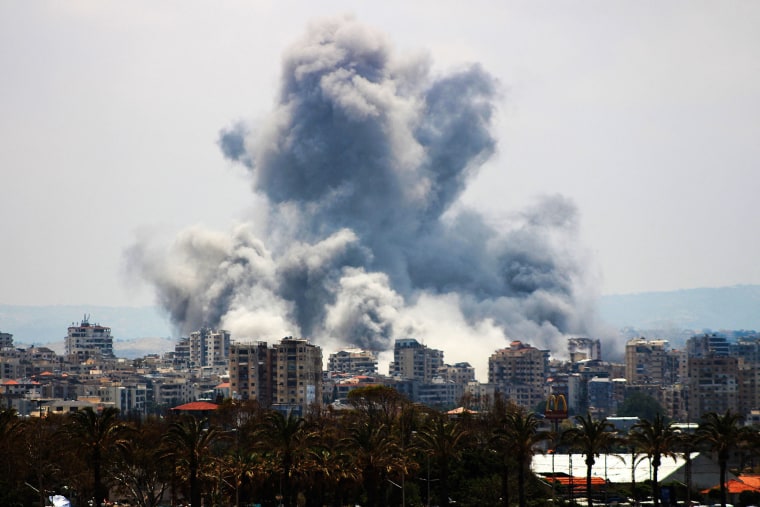
On June 1, 2026, Israeli Prime Minister Benjamin Netanyahu directed attacks on Hezbollah-controlled areas in southern Beirut. This decision marks a further intensification in a conflict that complicates efforts to mediate the U.S.-Iran dispute.
Iran’s foreign ministry spokesman, Esmaeil Baghaei, stated that Israeli military actions in Lebanon are a key factor in delaying the diplomatic process to end the U.S.-Iran war. Baghaei emphasized that a ceasefire in Lebanon is essential for any diplomatic resolution.
Israeli Military Operations
Netanyahu, along with Defense Minister Israel Katz, instructed the Israeli forces to target “terrorist locations” in Beirut’s southern suburbs. The action followed Hezbollah’s repeated violations of a ceasefire and attacks on Israeli cities and citizens, according to a statement from Netanyahu’s office.
Previously, Israel had only launched two strikes on these areas since U.S. President Donald Trump declared a Lebanon ceasefire on April 16. The latest strikes came despite ongoing conflicts in southern Lebanon.
“A plume of smoke rises Monday following an Israeli airstrike on the outskirts of Tyre, southern Lebanon.” – Image: Kawnat Haju / AFP via Getty Images
Capture and Ground Operations
Israel’s military activities over the weekend included capturing the historic 900-year-old Beaufort Castle. Netanyahu ordered an expansion of ground operations in Lebanon.
Lebanese officials report that more than 3,370 people have lost their lives due to Israeli attacks since March 2. This escalation followed Hezbollah’s support of Iran with attacks on Israel amid U.S.-Israeli conflict. Israel reports 24 soldiers and four civilians are casualties due to ongoing hostilities.
Israel claims it has established a security zone in southern Lebanon, dismantling villages to protect its territory from Hezbollah militants.
Violence and Diplomatic Efforts
The Lebanon conflict is the deadliest extension of the U.S.-Israeli confrontation with Iran, displacing over a million residents, Lebanese authorities indicate.
Netanyahu also instructed an expansion of Israel’s ground maneuver in Lebanon to reinforce control over areas previously held by Hezbollah.
Response and Ceasefire Efforts
Hezbollah accused Israel of violating the ceasefire and claimed responsibility for several retaliatory actions, including rocket attacks on Israeli facilities in Nahariya.
“An Israeli flag flies over the medieval Beaufort Castle.” – Image: AFP via Getty Images
Following the surge in violence, France requested an urgent meeting of the United Nations Security Council.
The United States has convened negotiations between Israel and Lebanon. Despite Hezbollah’s objections, Lebanon participated in these discussions. U.S. Secretary of State Marco Rubio conversed with Lebanese President Joseph Aoun and Netanyahu, introducing a plan for gradual de-escalation.
The U.S. proposal suggests Hezbollah halt all assaults on Israel, prompting Israel to cease further escalation in Beirut. This initiative aims to create room for a reduction in hostilities.
However, Lebanese Parliament Speaker Nabih Berri, supportive of Hezbollah, urged that Israel cease its aggression to guarantee Hezbollah’s commitment to a ceasefire. Berri highlighted the challenge of ensuring Israel’s compliance.