
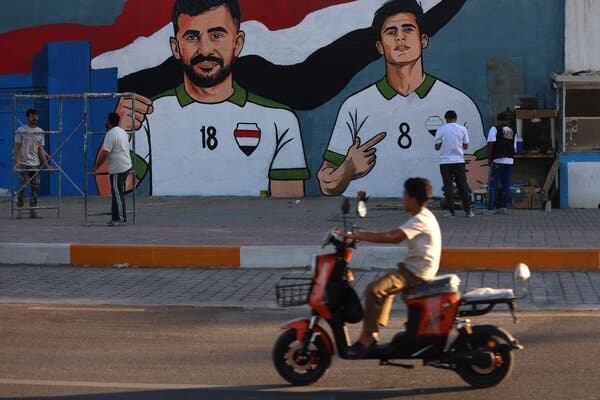
The World Cup, a highly anticipated sporting event, has faced challenges due to the United States’ strict immigration rules. Fans, players, and officials have experienced obstacles entering the country to participate in the tournament.
Iraqi soccer player Aymen Hussein arrived with his national team at Chicago’s O’Hare airport, full of excitement. It marked Iraq’s first World Cup entry in 40 years. However, Hussein was detained by U.S. immigration officials, causing uncertainty about his participation. After several hours of questioning, officials cleared him to enter the country.
Not all faced similar outcomes. Omar Abdulkadir Artan, a Somali referee selected among about 50 World Cup referees, encountered a different experience. Immigration officers detained him, placed him in a holding cell, and later deported him, highlighting the potential impact of U.S. immigration policies on the event.
The incidents have reignited debate over Washington’s immigration policies, which have become more stringent under the Trump administration. As the U.S. prepares to host the World Cup, these policies pose a challenge to what was once presented as an inclusive event, awarded to North America in 2018.
FIFA, soccer’s global governing body, previously downplayed concerns about entry restrictions. In February, FIFA President Gianni Infantino, who stated that he has a friendly relationship with President Trump, assured a “smooth” entry process.