
Dozens of mayors and city leaders gathered in Washington this snowy January, facing federal immigration enforcement concerns, including the death of two U.S. citizens. Amidst this tension, FIFA President Gianni Infantino addressed the National Conference of Mayors. His attempt at humor, saying the U.S. would be conquered, not by force, but by soccer, met with silence.
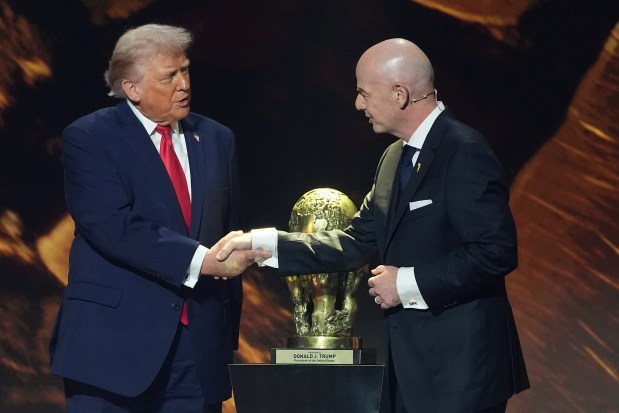
Infantino’s efforts to connect with President Trump have been notable, including the creation of a peace prize awarded to Trump and frequent visits to the White House. Despite these efforts, skepticism towards Infantino and FIFA persists among U.S. politicians.
Skepticism Over Ticket Prices
From city mayors to state governors, ticket prices for the World Cup have sparked bipartisan criticism. Zohran Mamdani of New York and Karen Bass of Los Angeles, both Democrats, have spoken against the high costs. Mamdani secured 1,000 tickets for New Yorkers at a reduced price, while governors have turned to advertising revenue to cover transit costs.
Even Trump has criticized ticket prices, refusing to pay $1,000 to watch the U.S. play Paraguay. Republican Senator Todd Young, a former Division 1 soccer player, highlighted ongoing corruption concerns within FIFA.
Infantino has faced challenges navigating U.S. politics, yet enthusiasm for the 48-team tournament remains strong. According to Rep. Darin LaHood, Infantino is fulfilling his role by working with the Trump administration.
Trump’s Sporting Legacy
Sports events are integral to Trump’s second term. Following the World Cup, a UFC bout on the White House lawn and the 2028 Olympics in Los Angeles will further cement his image. Yet, this occurs amid political divisions, with only 37% approval of Trump’s presidency based on a recent poll.
Efforts to connect with the World Cup audience include suspending entry bonds for visitors from qualifying countries. However, tensions persist with Homeland Security measures affecting customs processing.
Intersection of Politics and Sports
The 2026 World Cup presents challenges and opportunities. Former State Department sports diplomacy chief Ashleigh Huffman noted potential to heal divisions, but also scrutiny on issues like immigration and human rights.
Despite political divides affecting World Cup viewership, hope for unity remains among soccer enthusiasts in Washington. Young sees an opportunity for nations to find common ground, while Larsen is eager for the matches.
Associated Press writer Gisela Salomon contributed from Miami.