
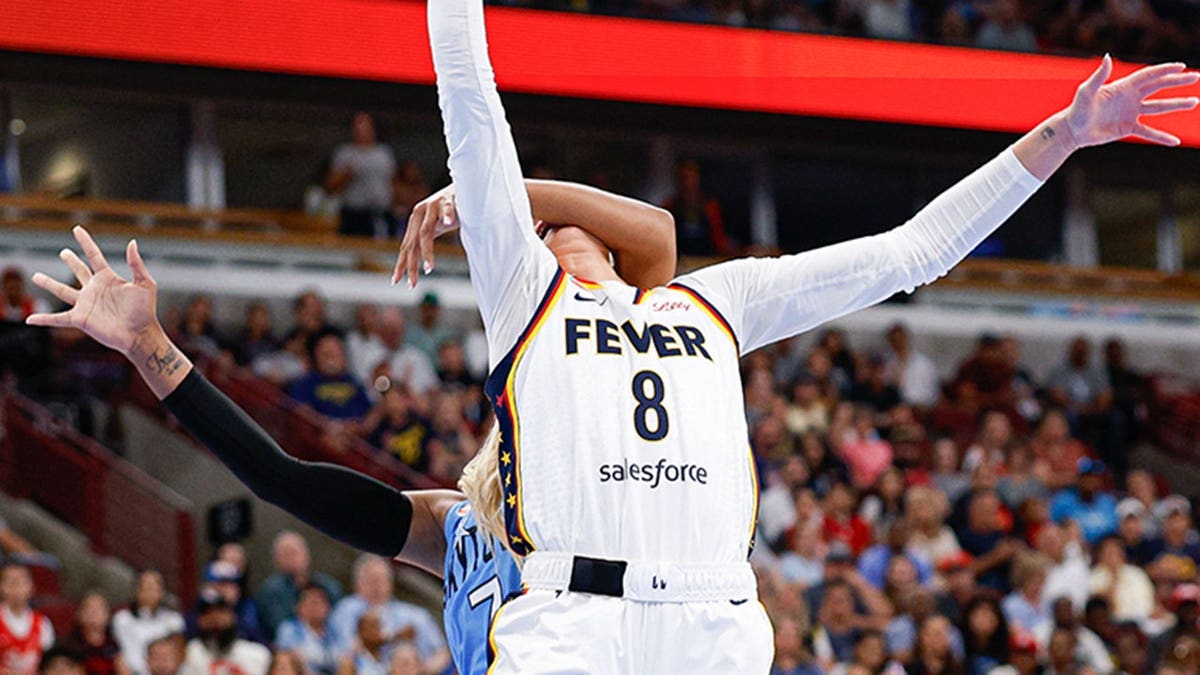
DiJonai Carrington’s foul on Sophie Cunningham during a WNBA game led to intense debate over race and media coverage. After Carrington clotheslined Cunningham, causing her to leave the court bloodied, officials ejected Carrington for her flagrant foul.
From the locker room, Carrington posted “White privilege” on social media, igniting discussions over racism in the league. This serious accusation prompted mixed responses.
Sports media didn’t widely address the claim. To many outsiders, the event seemed straightforward. Carrington made a dangerous play, resulting in her rightful ejection.
Meanwhile, Cunningham had been involved in a similar situation last year, becoming known as an “enforcer.” Supporters pointed out the perceived racial double standards. Advocates like Jemele Hill and Cari Champion highlighted the disparity. They questioned whether Carrington would receive the same attention and opportunities as Cunningham.
However, others argued Carrington’s reaction was unjustified. Notably, Cunningham and Carrington’s circumstances differed. Cunningham accepted her ejection for previous actions, while Carrington claimed her move was innocuous, sparking a race debate.
Comparing incidents can be misleading. Cunningham’s last similar incident involved defending a teammate, Caitlin Clark, from a hard foul.
Media figures like Maria Taylor and Jemele Hill framed Carrington as a victim. Yet, Taylor’s show ignored Carrington’s racial post, focusing on a “culture war” narrative.
ESPN’s coverage also downplayed Carrington’s fault, minimizing the racial angle. This lack of focus on Carrington’s own controversial remarks drew criticism for fostering bias.
Sports analysts, including Cindy Brunson, questioned the call for Carrington’s ejection. Brunson viewed Cunningham as the “aggressor,” contrary to many interpretations.
The media response highlighted a hesitance to criticize Black athletes. Alleged reverse discrimination added complexity. Thus, some see an ongoing racial bias favoring Black players over white ones.
Sydney Colson, a former teammate, endorsed Carrington’s actions, contributing further to this narrative.
The ongoing media discourse suggests reluctance in sports journalism to hold Black athletes accountable when involving racial and sexual identity topics.
In the larger picture, these dynamics complicate support for the WNBA. Racial tensions appear to influence reactions to on-court incidents, impacting public perception.
Concerns arise over potential harm to Cunningham and Clark. If such clashes persist, the consequences might escalate. Observers suggest that until media and league policies explicitly address identity biases, effective resolution remains challenging.