
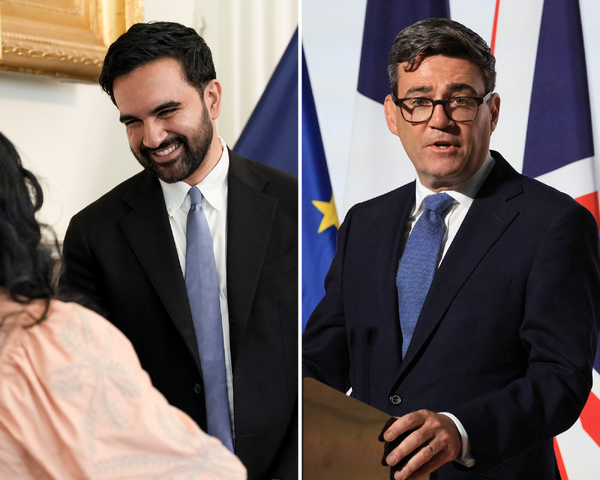
When I recently interviewed New York City Mayor Zohran Mamdani, one aspect was clear. He maintained strong popularity over six months into his term, boasting a 58 percent approval rating—a figure many national leaders find elusive.
Some credit goes to Mamdani himself. He is a skilled politician who has introduced several popular initiatives swiftly. However, the question arises: is his popularity also due to his position as a mayor?
Mayoral Popularity in Anti-Incumbent Times
Globally, mayors of varying political affiliations appear to defy the recent trend of anti-incumbency. This phenomenon prompts a discussion on ‘mayor magic’ and whether national leaders can glean insights from it.
Mamdani is not only maintaining his popularity but has become more favored since election day. This stands out in an era marked by anti-incumbency. In 2024, incumbents across major developed economies faced dwindling vote shares in national elections. Yet, some mayors thrived. Eduardo Paes, Rio de Janeiro’s former center-right mayor, secured a fourth term with over 60 percent of the vote. Similarly, Andre Dickens, Atlanta’s center-left mayor, was re-elected the following year with an impressive 85 percent of the vote.
Not every local leader enjoys such success. There are instances of corrupt mayors and those who fail expectations, leading to electoral defeat. Yet, it is notable how many mayors, regardless of political stance, maintain voter trust even as national politicians face rapid declines in popularity.